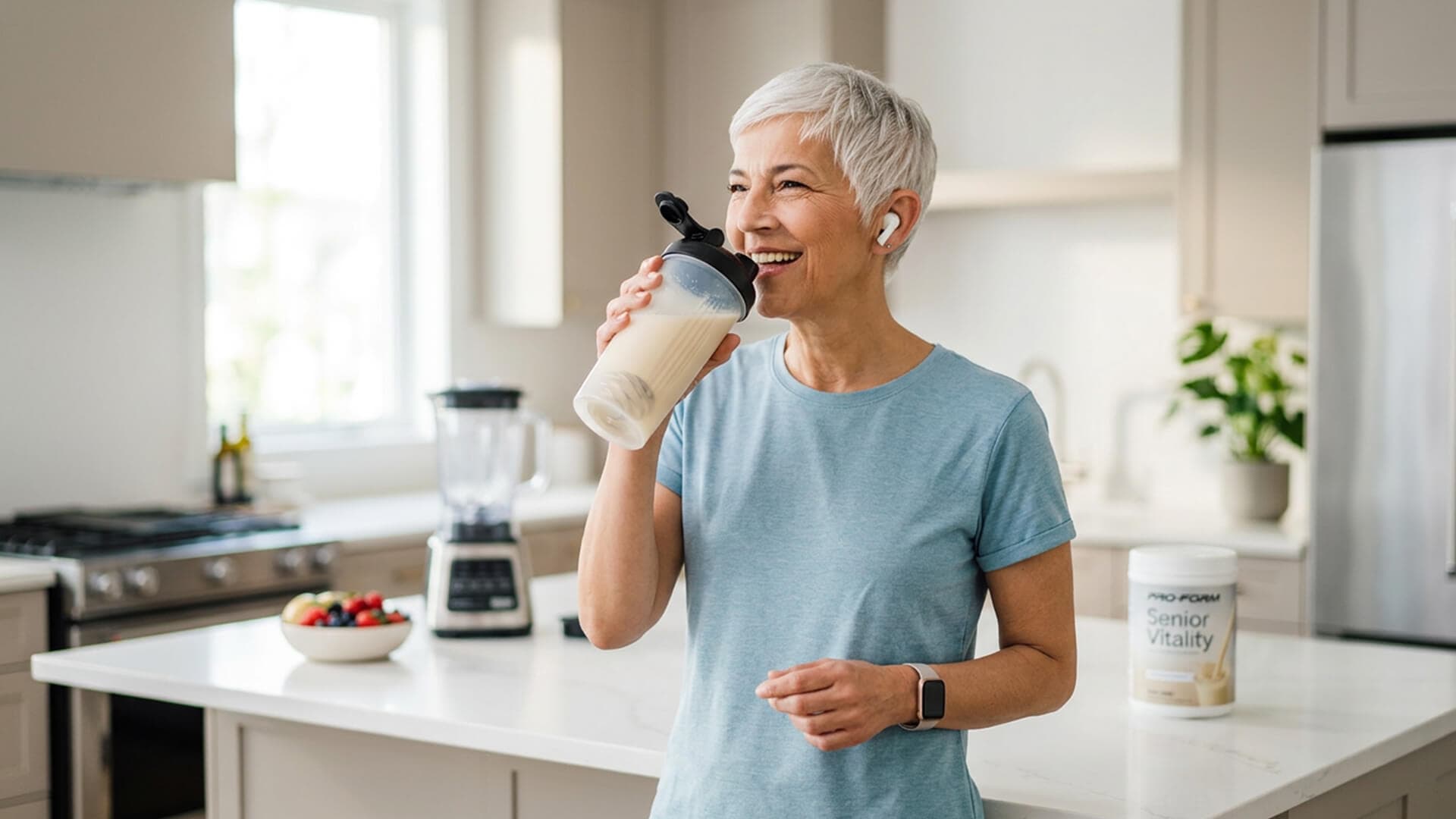
Protein claims move into everyday foods, redefining supplements
Protein is no longer a supplement-aisle signal; it is becoming a grocery habit. That shift is forcing brands to compete on taste, format, and daily routine.

The old line between supplements and food is breaking down
Protein, fiber, and other functional claims are moving out of the niche supplement lane and into everyday nutrition. What once lived in capsules, powders, and post-workout tubs is now showing up in routine grocery purchases, where shoppers are increasingly treating nutrition as part of normal eating and drinking rather than as a separate wellness ritual.
That matters because this is not just a sales story. It is a category-definition story. The shift suggests that consumers are no longer drawing a hard boundary between vitamins and dietary supplements on one side and regular food and beverage on the other. Instead, they are letting performance, function, and convenience live in the same shopping basket as breakfast, snacks, and drinks.
Why the shift is bigger than protein alone
Protein is leading the change, but it is not acting alone. Fiber and broader functional claims are moving in the same direction, which tells manufacturers that the market is rewarding foods that do more than satisfy hunger or taste good. Everyday nutrition now includes products that promise added value without feeling like a separate health routine.
That is a meaningful change for brand strategy. If shoppers are absorbing protein and other benefits through foods, drinks, and hybrid formats, the winning proposition is no longer efficacy alone. Brands must now prove that the product fits naturally into the day, whether that means breakfast on the way out the door, an afternoon snack, or a ready-to-drink option kept in the fridge.
Shoppers are buying function in familiar formats
The most important retail implication is that function is being pulled into mainstream formats. Protein-fortified beverages, snack foods, and ready-to-drink solutions are gaining importance because they feel habitual rather than medicinal. That makes them easier to buy repeatedly, easier to explain at shelf, and easier to fit into a lifestyle that already prizes speed and convenience.
This also changes what shoppers expect from the product itself. A strong nutrition panel still matters, but it is no longer enough on its own. Taste, texture, portability, and packaging all help determine whether a functional product feels like something to use once in a while or something to buy every week.
What this means for supplement companies
For supplement companies, the competitive field is widening. They are no longer competing only with other pills, powders, and capsules. They are also up against foods and beverages that claim the same benefits while offering a more casual, everyday experience.

That means the path to growth is shifting toward mainstream use occasions. Convenience matters more because the product has to fit into routines that already exist. Taste matters more because the product may now compete with snacks and drinks, not just with other supplements. Routine fit matters most of all, because the category is increasingly being judged on how seamlessly it works in ordinary life.
The wellness market is being redrawn around occasion
The clearest lesson from NIQ consumer data is that wellness is no longer defined only by what a product contains. It is defined by when it gets used and how naturally it fits into the consumer’s lifestyle. That is a subtle but powerful change, because it moves the focus away from a single purchase decision and toward the role a product plays across the day.
This is why protein can no longer be treated as a bodybuilder signal or a post-workout niche. It is becoming an everyday claim, one that can sit alongside other better-for-you attributes without feeling specialized or extreme. As that happens, brands have to think less like supplement marketers and more like grocery strategists.
How packaging, format, and brand voice do the work
When the same benefit can appear in a beverage, snack, bar, or powder, the outer signals become part of the product story. Packaging must make the value easy to understand at a glance. Format must match the intended moment of use. Brand voice has to sound useful and familiar, not overly clinical.
That is especially important because everyday nutrition has to feel normal. The most effective products in this space are the ones that make function look like a natural extension of food, not a medicalized add-on. The more a product can blend into breakfast, snacking, or hydration, the more likely it is to win repeat trips and larger basket share.
What retailers and manufacturers should watch next
The retail opportunity is not limited to one shelf set or one channel. Once protein and functional claims become part of routine food buying, the question becomes where the consumer expects to find them and how clearly the store or brand signals the benefit. That opens the door for cross-merchandising, sharper shelf language, and a broader role for wellness positioning in center-store and perimeter categories alike.
For manufacturers, the strategic takeaway is straightforward: the future of everyday nutrition depends on making functional products feel ordinary in the best sense of the word. The brands that win will be the ones that align benefit, taste, and convenience so well that the shopper stops thinking of them as supplements at all. At that point, protein is not just a nutrient claim. It is part of the grocery routine.
This article was produced by Prism’s automated news system from verified source data, official records, and press releases, then run through automated quality and moderation checks before publishing. The system is built and supervised by the people who set the standards it runs under. Read our full AI policy.
Did this article answer your question?