Protein demand tightens dairy powder markets, lifts nonfat dry milk prices
Protein demand pushed nonfat dry milk to $1.83 a pound, while whey also firmed as exports and protein-heavy foods tightened dairy powder supply.
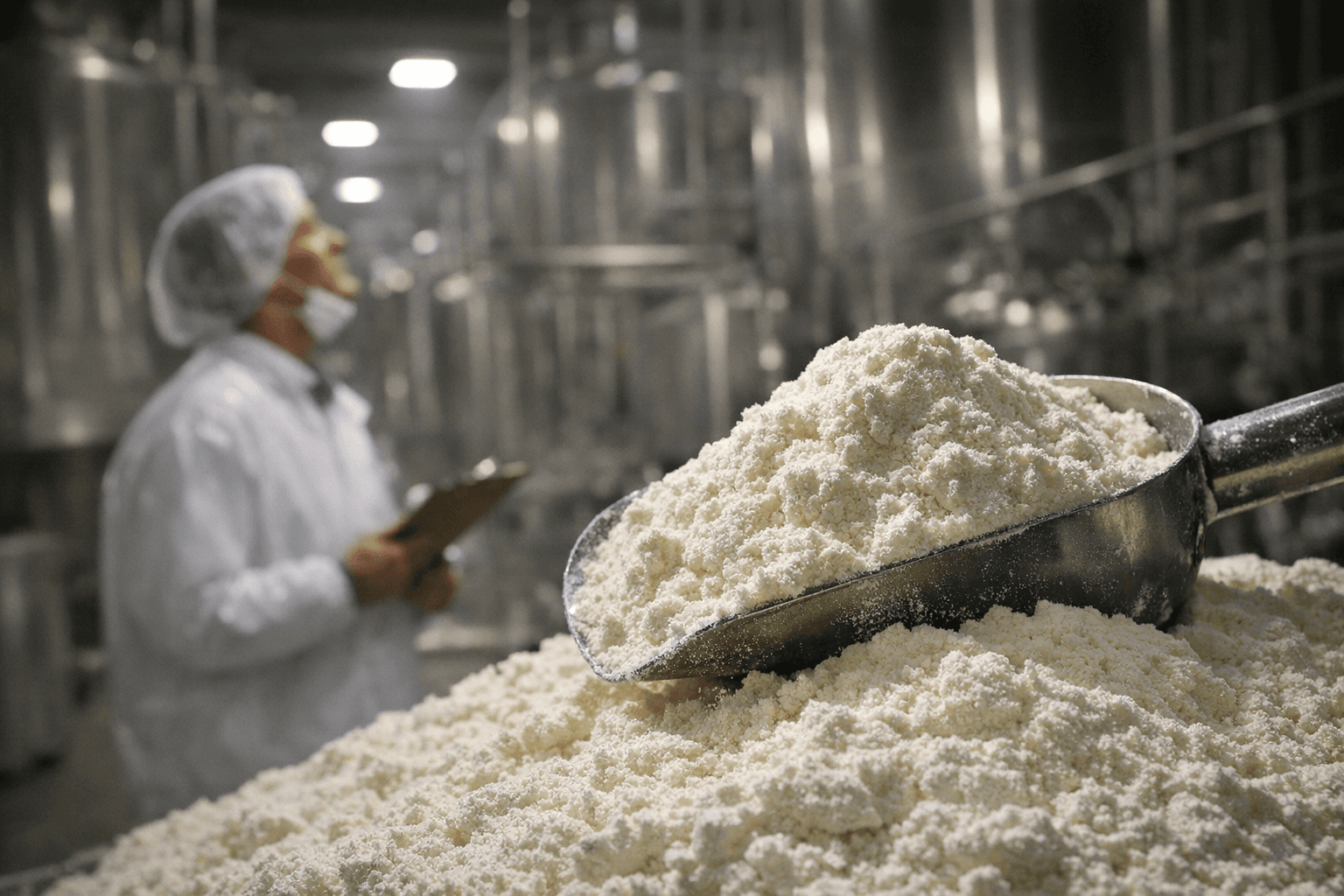
Protein demand is pulling nonfat dry milk and whey deeper into the center of dairy pricing, and the latest USDA data show that shift is no longer just a consumer story. Nonfat dry milk averaged $1.83 per pound in the week ending April 18, up 10.3 cents from the previous week, while dry whey averaged 64.9 cents, up 0.3 cents. That strength is showing up alongside tighter supplies, firmer demand and continued investment in processing capacity, making dairy powders one of the most strategic corners of the complex.
The demand side is being led by protein-heavy categories that reach well beyond traditional dairy. CoBank said at least 12% of Americans are now using GLP-1 weight-loss drugs and seeking dietary protein, while sales of ready-to-drink dairy nutritionals and protein shakes have climbed 71% in four years. CoBank also said foods and beverages carrying a high-protein claim can command a price premium of as much as 12%. Food Business News said roughly 70% of Americans are actively trying to increase protein intake, helping explain why powder markets have stayed firm even as broader packaged-food trends have been uneven.
That appetite is feeding back into the supply chain. Strong powder values have made production more attractive, especially where the gap between CME spot prices and the National Dairy Products Sales Report created an incentive for processors to maximize powder output. USDA’s National Dairy Products Sales Report carries added weight because its data are used in Federal Milk Marketing Order price calculations, so strength in nonfat dry milk does not stop at the plant gate. It can influence regulated milk pricing, farm-level incentives and how manufacturers allocate milk between cheese, powders and other uses.
Exports are also helping clear the market. USDA’s April dairy outlook revised 2026 export forecasts higher on the back of strong January and February shipments, and it lowered domestic-use forecasts partly because higher wholesale price projections for cheddar cheese and nonfat dry milk are expected to weigh on use at home. Mexico and parts of Southeast Asia have continued to absorb product, while USDA Dairy Market News reported strong nonfat dry milk gains across all regions in April. For protein brands and ingredient buyers, the message is clear: firm powder markets can keep whey and milk-derived protein costs elevated, and that pressure is likely to flow straight into formulation decisions, margin planning and procurement strategy.
This article was produced by Prism’s automated news system from verified source data, official records, and press releases, then run through automated quality and moderation checks before publishing. The system is built and supervised by the people who set the standards it runs under. Read our full AI policy.
Did this article answer your question?