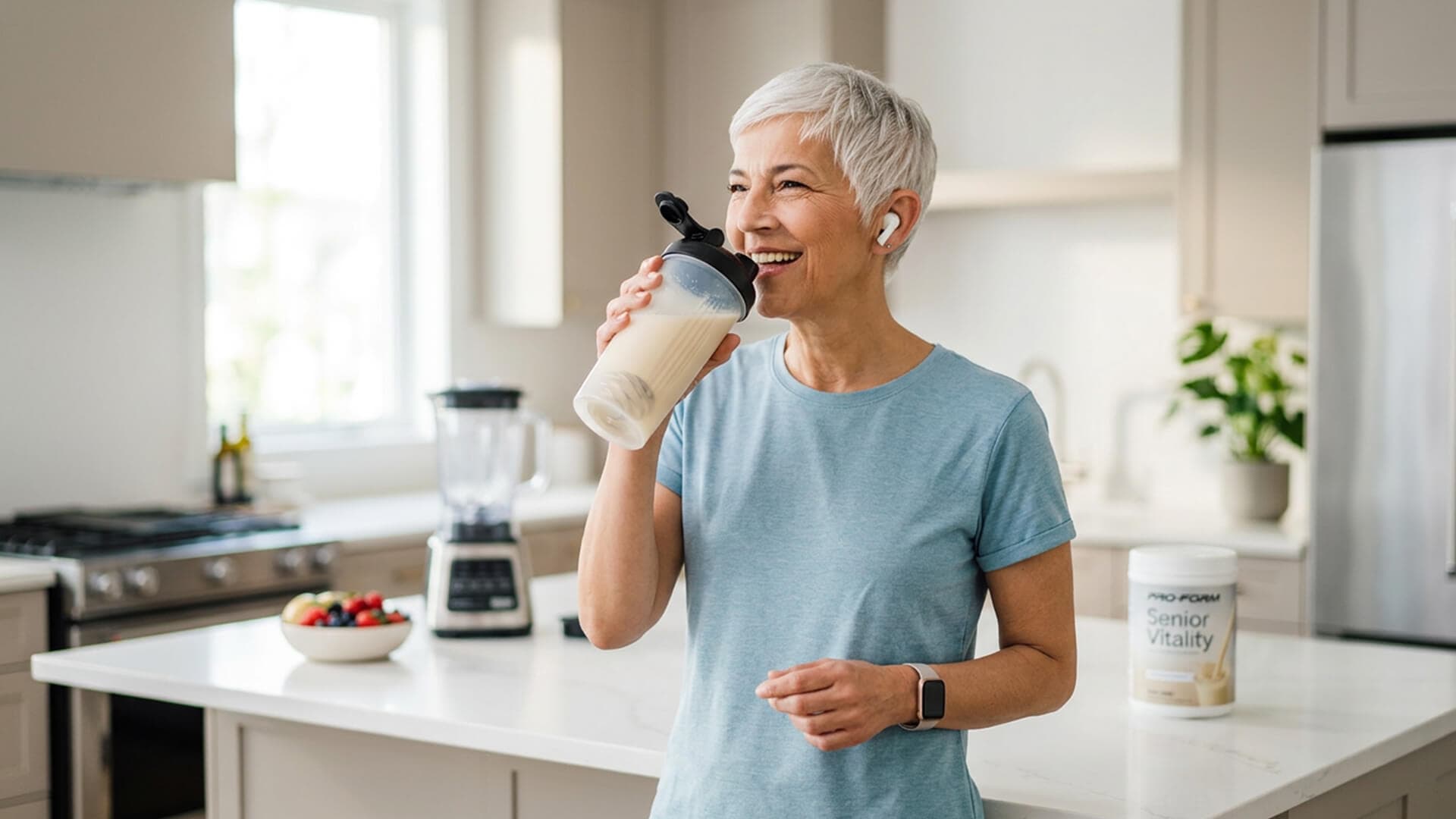
Protein drinks move from side experiment to core growth for beverage giants
Protein is moving from add-on to habit, with Starbucks making protein coffee a menu staple while prebiotic soda grows and CBD stays boxed in by regulation.
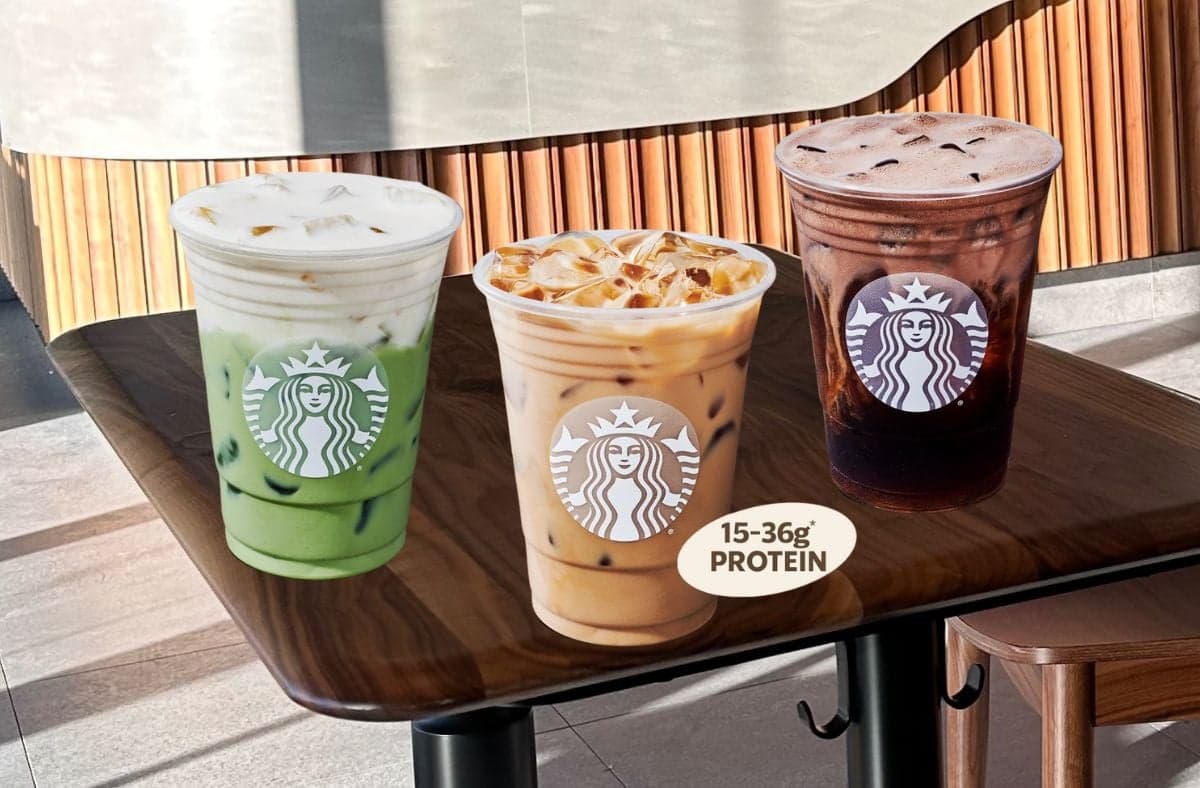
Protein Lattes and Protein Cold Foam hit Starbucks stores across the United States and Canada on September 29, 2025. In coffeehouses and cooler doors, beverage giants are now selling outcomes, not just refreshment, and protein is the clearest proof that the category is turning into a routine purchase instead of a one-off experiment.
Protein is becoming the default functional cue
The functional drinks market is now roughly $160 billion, powered by a simple consumer shift: younger shoppers want beverages that do something measurable. Protein sits at the front of that shift because it is easy to understand, easy to message, and easy to layer onto products people already buy every day. A July 2025 International Food Information Council survey sampled 1,000 U.S. adults ages 18 and older. In the same month, Bain found that almost half of U.S. consumers want to eat more protein.
Sports and protein drinks expanded beyond athletes and into mainstream health-and-wellness use cases in 2025. In practical terms, protein is no longer just a gym-adjacent nutrient in shakes and bars. It is showing up in coffee, cold foam, and ready-to-drink formats where the selling point is convenience as much as nutrition.
Starbucks turns protein coffee into a daily habit
Starbucks has made the strongest mainstream case yet for protein as an everyday beverage occasion. Protein-boosted milk and protein cold foam are available to add to nearly any beverage, and Starbucks said the drinks can deliver about 15 to 36 grams of protein per grande, depending on the build.
Protein moves away from a separate, specialized product and into the customization logic of the café menu. It becomes another order modifier, much like milk choice or syrup selection, and scales across existing traffic. Starbucks tied the rollout to its menu modernization strategy under CEO Brian Niccol.
Sam Henderson, Starbucks EMEA beverage-development manager, put a sharper point on the momentum when he said, “We’re selling [almost] as much protein cold foam as we do flat whites.”
Why protein is winning where other claims are still trying to prove themselves
Protein has a credibility advantage because the benefit is familiar, the format is flexible, and the use case is broad. Coffee, ready-to-drink beverages, and cold foam all fit into existing routines, so the functional claim does not have to overcome much consumer hesitation. For beverage giants, that makes protein easier to scale than trendier wellness ingredients that depend on a narrower audience or a more complicated explanation.
A protein beverage can be positioned for breakfast, post-workout, or mid-afternoon energy without changing the base ritual of buying a coffee or opening a chilled drink. That gives brands room to build repeat usage, not just trial.
Coca-Cola is using prebiotics to chase the same functional premium
The Coca-Cola Company is taking a parallel route in gut health. In February 2025, it introduced Simply Pop as its first-ever prebiotic soda, built with real fruit juice, no added sugar, and prebiotic fiber. The launch targeted five flavors. The company said each 12-ounce can contains 6 grams of prebiotic fiber, along with vitamin C and zinc.
Simply Pop shows how the functional beverage boom is broadening beyond protein without abandoning the same consumer logic. The pitch is still about an outcome, in this case gut support, but the product stays inside the familiar soda format.
CBD still looks more like a regulatory bet than a routine habit
CBD sits on the other side of the credibility line. In January 2023, the Food and Drug Administration said existing regulatory frameworks for foods and dietary supplements are not appropriate for cannabidiol and that a new regulatory pathway is needed. That leaves CBD drinks in a far more uncertain compliance environment than protein or prebiotic beverages, where the claims are easier to package within established food and beverage systems.
Protein can be measured in grams, prebiotics can be tied to fiber, and both can be attached to mainstream beverage occasions. CBD remains in a far more uncertain compliance environment.
This article was produced by Prism’s automated news system from verified source data, official records, and press releases, then run through automated quality and moderation checks before publishing. The system is built and supervised by the people who set the standards it runs under. Read our full AI policy.
Did this article answer your question?