Protein hype drives shortages, price swings and supply-chain strain
Protein demand is surging, but the supply chain is buckling under it. Whey shortages, sharp price spikes and reformulation pressure are turning a trendy ingredient into an operational risk.
When protein becomes a craze, supply gets tight fast
Protein is no longer just a nutrition claim, it is a supply-chain stress test. When demand surges across beverages, snacks, dairy and supplements at the same time, the same upstream ingredients get chased by too many buyers, and the first signs are familiar: shortages, volatile pricing and manufacturing compromises.
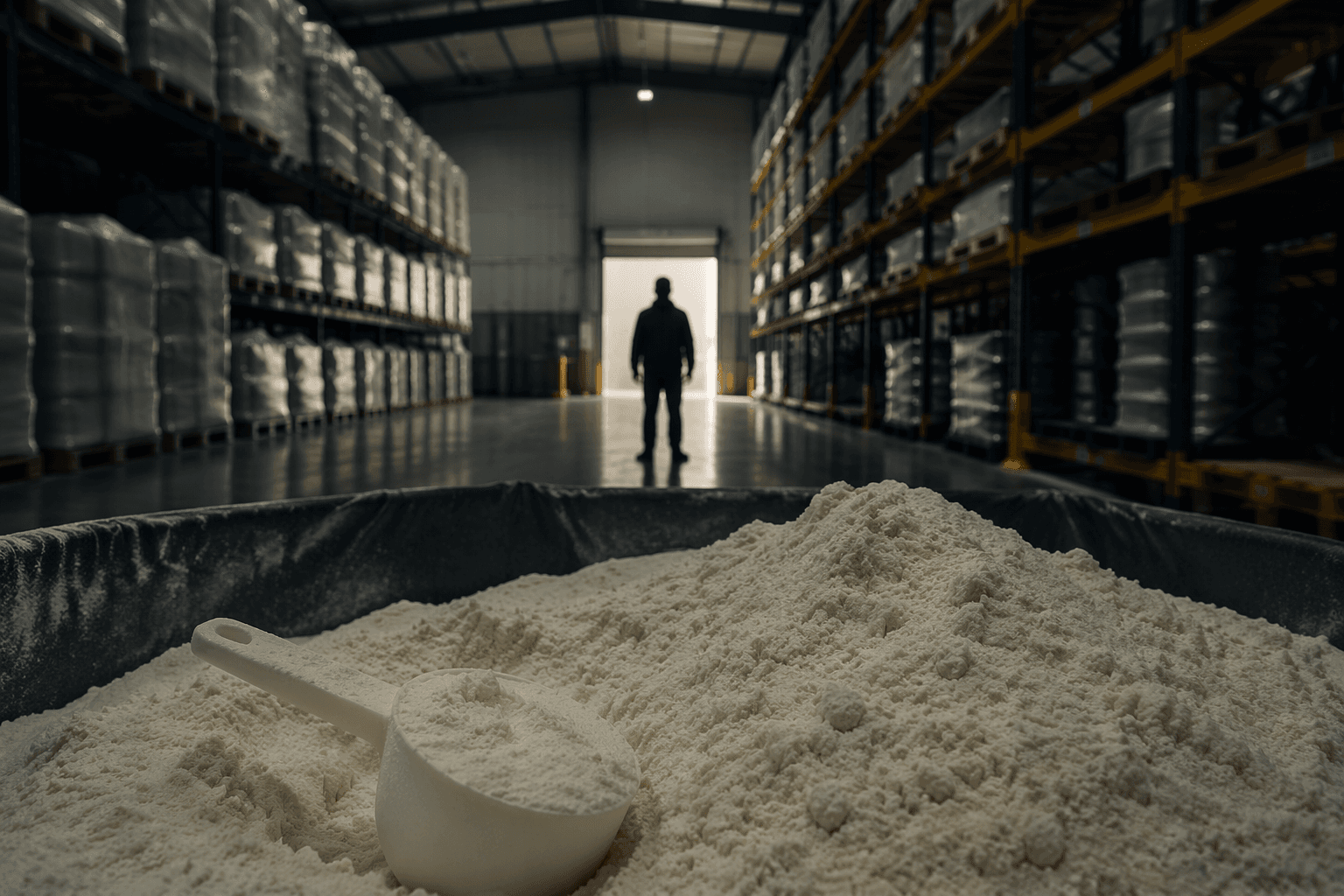
That is exactly what the current whey market is showing. U.S. whey protein concentrate prices have risen more than 50% since January 2026, and USDA-linked market reporting says some suppliers are already sold out for the rest of 2026. Whey protein isolate has been trading in the $12s per pound, while BellRing Brands said whey costs had reached “historic highs” on its February 3, 2026 earnings call. Even non-fat dry milk, often used for protein fortification, is under strain.
The demand story is real, and it is broad
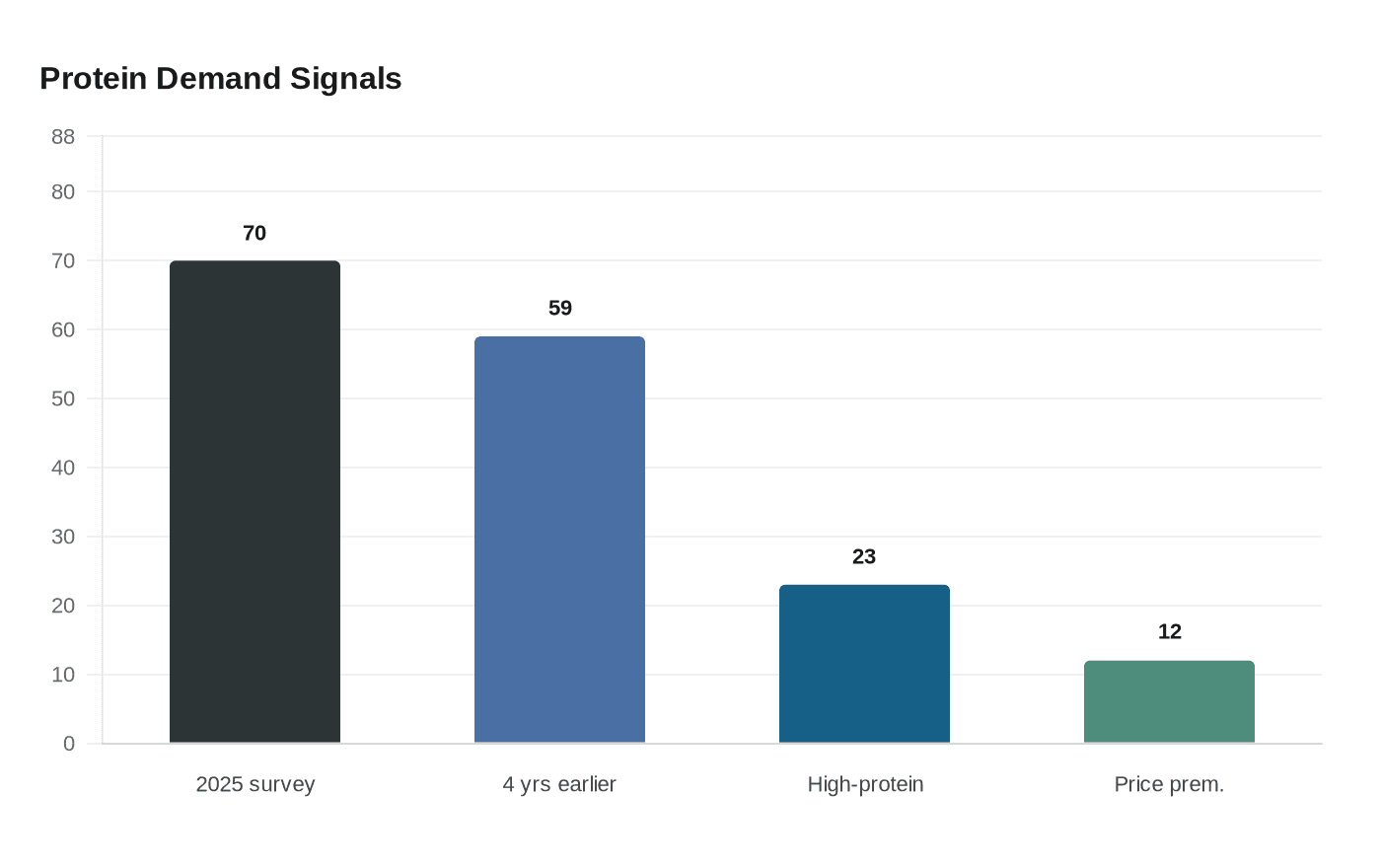
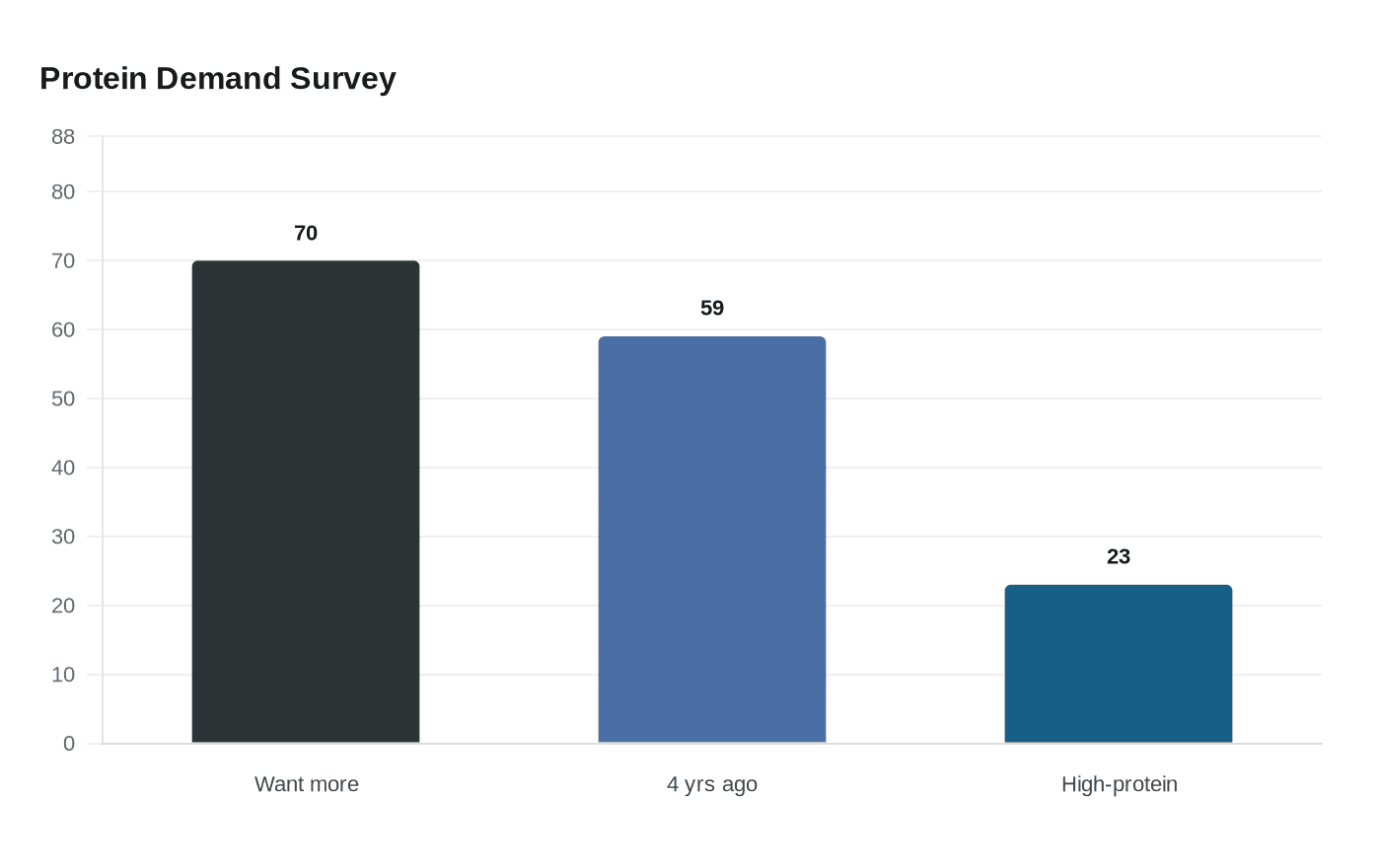
The demand side helps explain why this squeeze is not a temporary blip. The International Food Information Council’s 2025 survey found that 70% of Americans say they want more protein in their diets, up from 59% four years earlier, and 23% say they follow a high-protein diet. That is a powerful signal for brands, because protein has moved from gym-adjacent messaging into everyday shopping baskets.
CoBank notes that high-protein claims can command a price premium of as much as 12%, which helps explain why companies keep expanding protein into more categories even as inputs get more expensive. The problem is that popularity can outrun planning. When consumers, retailers and brand teams all assume the ingredient will be there, the market can tip from “hot” to fragile in a matter of months.
Why whey is feeling the squeeze first
Whey is particularly exposed because it sits at the intersection of scale, functionality and consumer trust. Food Dive reported that whey protein concentrate is seeing unprecedented demand, with some suppliers sold out for the remainder of the year and standard whey powder prices up more than 50% since January. The USDA Agricultural Marketing Service’s Dairy Market News said whey protein concentrate 34% prices strengthened throughout the price series, and some suppliers indicated they were sold out for the remainder of the year.
That combination creates a hard reality for brands built around a single protein source. If a formulation depends on a specific whey grade, the business is suddenly exposed to spot-market volatility, allocation risk and product availability problems. Even if product launches are approved, the cost structure can change so quickly that margins disappear before the product reaches scale.
The real risk is not just price, but inconsistency
Supply shock is only part of the story. Once a protein product is in mainstream retail, consistency becomes just as important as cost. A slight change in solubility, texture, flavor or mouthfeel can affect how a consumer experiences a bar, shake or fortified dairy product. That is why the shift from stable supply to constrained supply is so disruptive: it forces manufacturers to make substitutions under pressure, often with limited time to rework specifications.
This is where formulation flexibility matters. Brands that can move between isolates, concentrates, hydrolysates or alternative plant proteins have more room to absorb a shock without losing functionality. Brands that are locked into one ingredient or one supplier are far more likely to face launch delays, packaging changes or reformulation headaches that ripple through procurement, quality and commercial teams at once.
The market is still growing, which makes preparedness more important
The pressure would be easier to dismiss if protein were a niche category, but the broader market data points the other way. Mintel valued the U.S. protein market at $114.4 billion in 2024 and projected 1.9% annual growth through 2028. The Good Food Institute says global retail sales of plant-based meat and seafood tripled since 2015 to an estimated $6.6 billion in 2025. That means the protein opportunity is still expanding, even as the ingredients behind it become harder to secure.
For manufacturers, this is the uncomfortable contradiction of the category: growth is real, but so is fragility. If every new launch assumes uninterrupted access to the same inputs, the market can punish success. The brands most likely to turn protein hype into a durable platform are the ones that treat sourcing as a strategic capability, not an afterthought.
What resilience looks like in practice
The companies best positioned for this environment are building for disruption before it arrives. In practical terms, that means dual sourcing, inventory buffers and formulations that can flex without collapsing the product experience. It also means closer visibility into upstream capacity, logistics and the timing of ingredient commitments, because the biggest surprises usually come from the lead times that were never stress-tested.
Maersk says protein supply chains remain vulnerable to geopolitical events, extreme weather, influenza outbreaks and other disruptions that can slow just-in-time trade flows. That matters because protein ingredients do not move in a vacuum: they depend on freight, cold-chain reliability, plant schedules and international sourcing networks that can be interrupted by events far outside a brand’s control. In a market this tight, resilience is not an abstract best practice, it is the difference between meeting demand and explaining why the shelf is empty.
The next phase will reward discipline, not just momentum
Protein is still one of the clearest growth stories in food and beverage, but the current squeeze shows how quickly enthusiasm can turn into operational pain. Rising whey costs, sold-out suppliers, premium pricing and broader logistics risk are all part of the same picture: when a trend becomes too popular too quickly, the supply chain pays the bill.
The brands that survive the next wave will be the ones that plan for capacity before the hype peaks, keep more than one path to market, and design products that can change with the ingredient landscape. In protein, the strongest growth stories will belong to the companies that can scale without breaking.
This article was produced by Prism’s automated news system from verified source data, official records, and press releases, then run through automated quality and moderation checks before publishing. The system is built and supervised by the people who set the standards it runs under. Read our full AI policy.
Did this article answer your question?