Protein snack boom boosts dairy demand, PepsiCo launches Doritos Protein
PepsiCo’s Doritos Protein puts casein at the front of the bag, turning salty snacks into a new market for dairy protein.

Protein is no longer being sold only in shakes, bars and breakfast bowls. PepsiCo’s Doritos Protein, which began reaching select retailers and markets in March 2026, shows how fast the demand is moving into salty snacks, and how that shift is creating a bigger value story for dairy producers at the farm gate.
The new chip line comes in Nacho Cheese and Sweet & Tangy BBQ, delivers 10 grams of protein per one-ounce serving, and uses dairy-based protein, casein, as both its protein source and first ingredient listed. PepsiCo says casein is a complete dairy protein with all nine essential amino acids, and it also says the chips contain no artificial colors or flavors. A single-serve bag with 17 grams of protein is planned later in 2026.
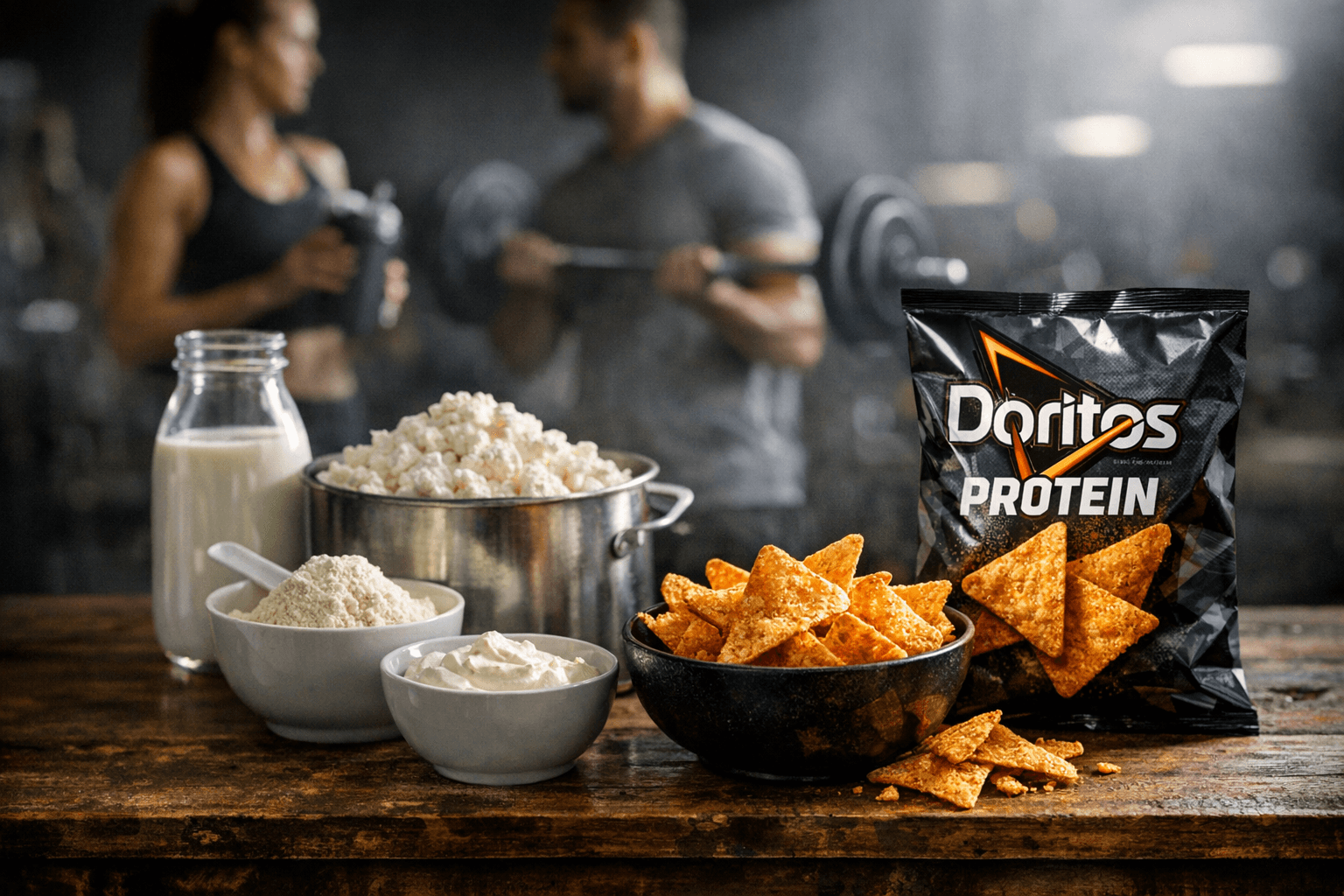
For dairy, the significance is bigger than one snack launch. Doritos Protein shows that milk proteins are no longer confined to beverages or fitness products. They are moving into mainstream, shelf-stable snacks where texture, flavor and satiety matter as much as nutrition. That opens a wider lane for casein, whey and other dairy ingredients, especially when branded manufacturers want to upgrade familiar products without losing the bold flavor profiles that built their names.
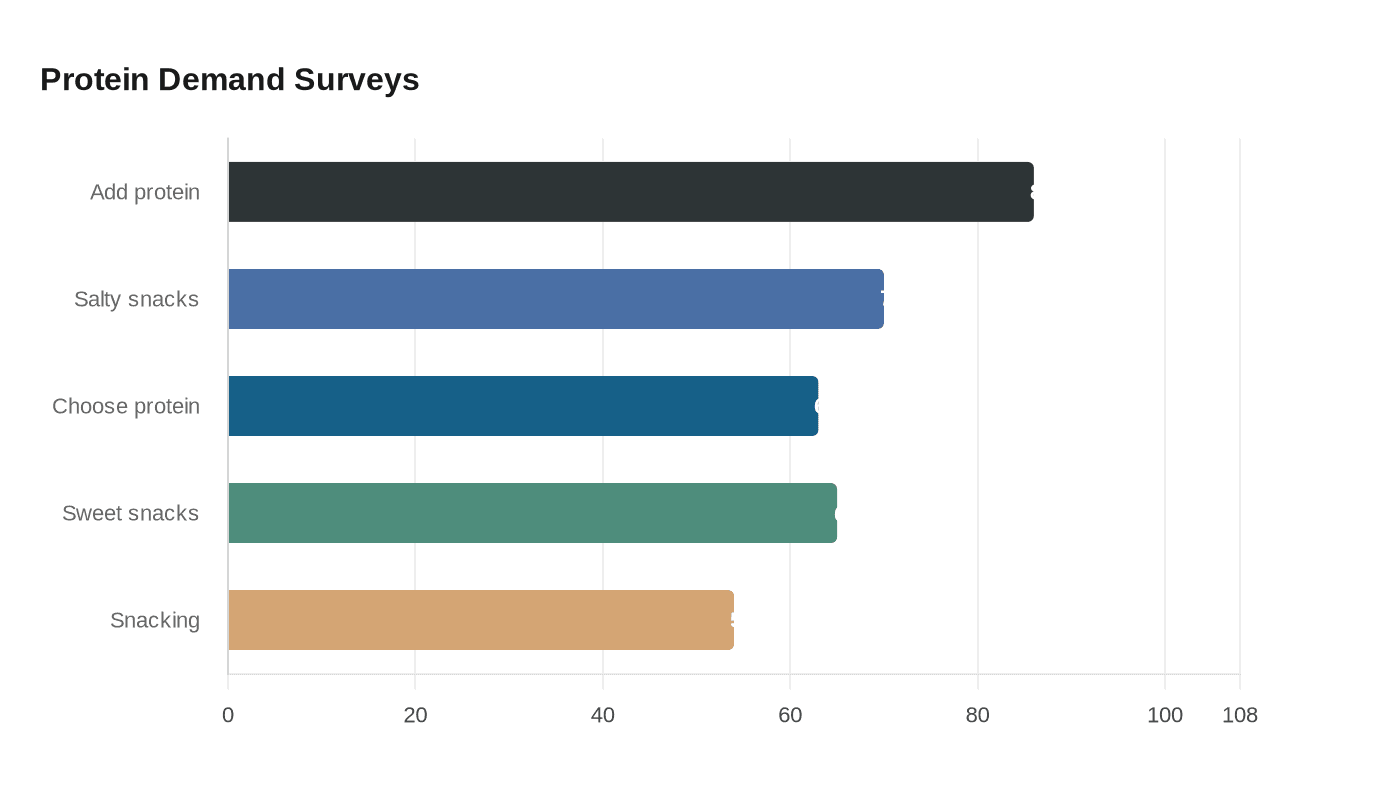
The market signals are strong. PepsiCo said its consumer research found 86% of Americans are actively adding protein to their daily diet, 70% want salty snacks to have protein, and more than half prioritize protein during snacking occasions. In a separate PepsiCo survey tied to Quaker Protein Rice Crisps, 63% of Americans said they would choose snacks with added protein over regular ones, 65% wanted sweet snacks with protein, and 54% said they prioritize protein during snacking. That kind of appetite helps explain why protein is spreading beyond the health-food aisle and into mass-market brands with broad reach.
The dairy backdrop also matters. USDA’s latest outlook projects the 2026 all-milk price at $20.50 per hundredweight, with Class III milk at $16.90 and Class IV at $18.60. At the same time, USDA market reports show dry whey demand is moderate to strong, while WPC 34% demand is strengthening in parts of the market. Those conditions reinforce the value of dairy proteins as manufacturers keep hunting for functional ingredients that can support premium positioning.
PepsiCo has framed Doritos Protein as part of a broader portfolio strategy that also includes SmartFood Fiber Pop, SunChips Fiber, Pepsi Prebiotic Cola, poppi Prebiotic Soda, Quaker Protein Granola Bars and Quaker Protein Old Fashioned Oats. Taken together, the message is clear: protein is becoming a cross-brand growth engine, and dairy ingredients are increasingly the backbone that makes the format work.
This article was produced by Prism’s automated news system from verified source data, official records, and press releases, then run through automated quality and moderation checks before publishing. The system is built and supervised by the people who set the standards it runs under. Read our full AI policy.
Did this article answer your question?