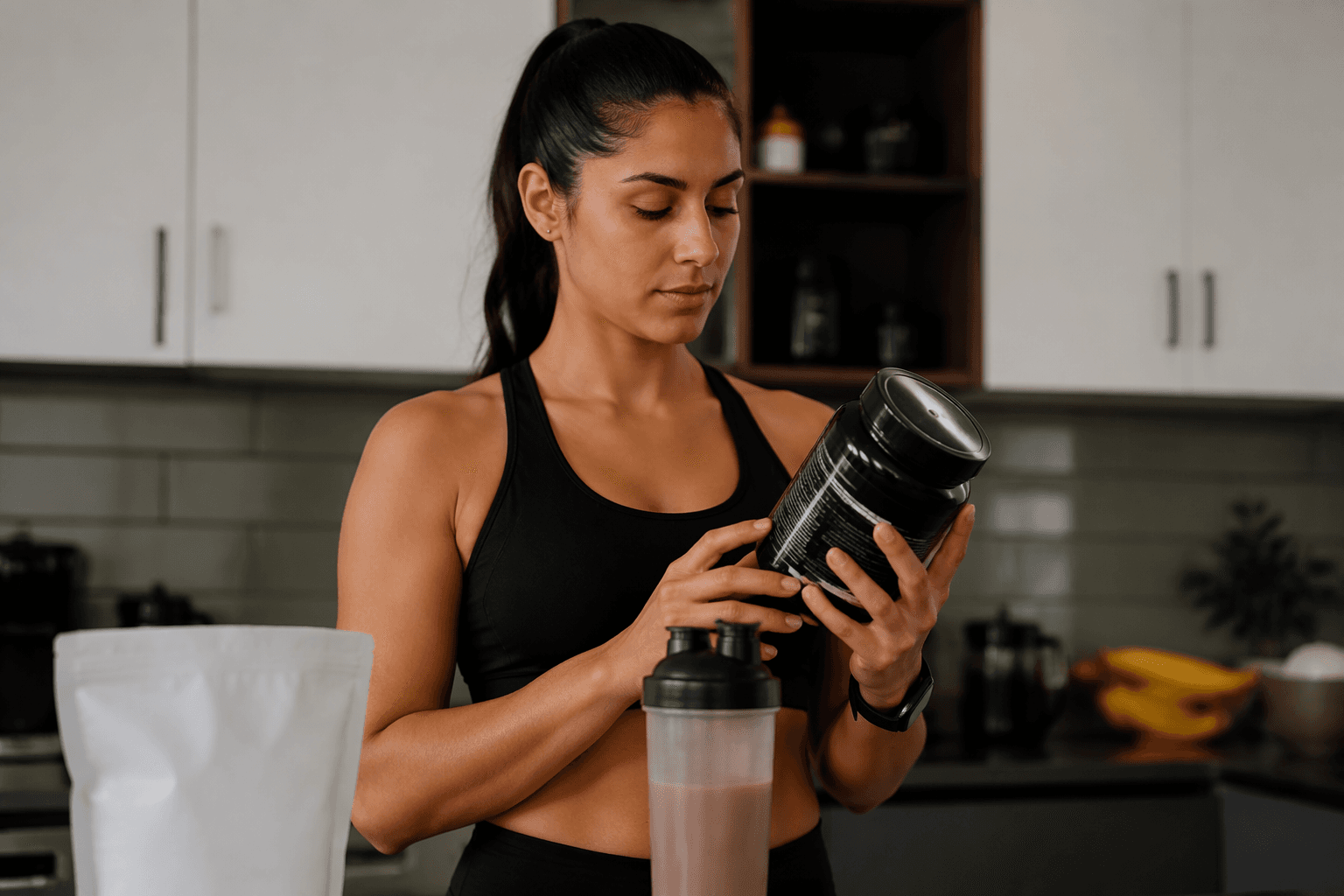
Protein water market expands on clear, low-calorie recovery drinks
Protein water is moving past novelty as clear, low-calorie formats answer the shake fatigue many consumers feel. The market now spans recovery, hydration, and wellness, with major brands and suppliers building for scale.
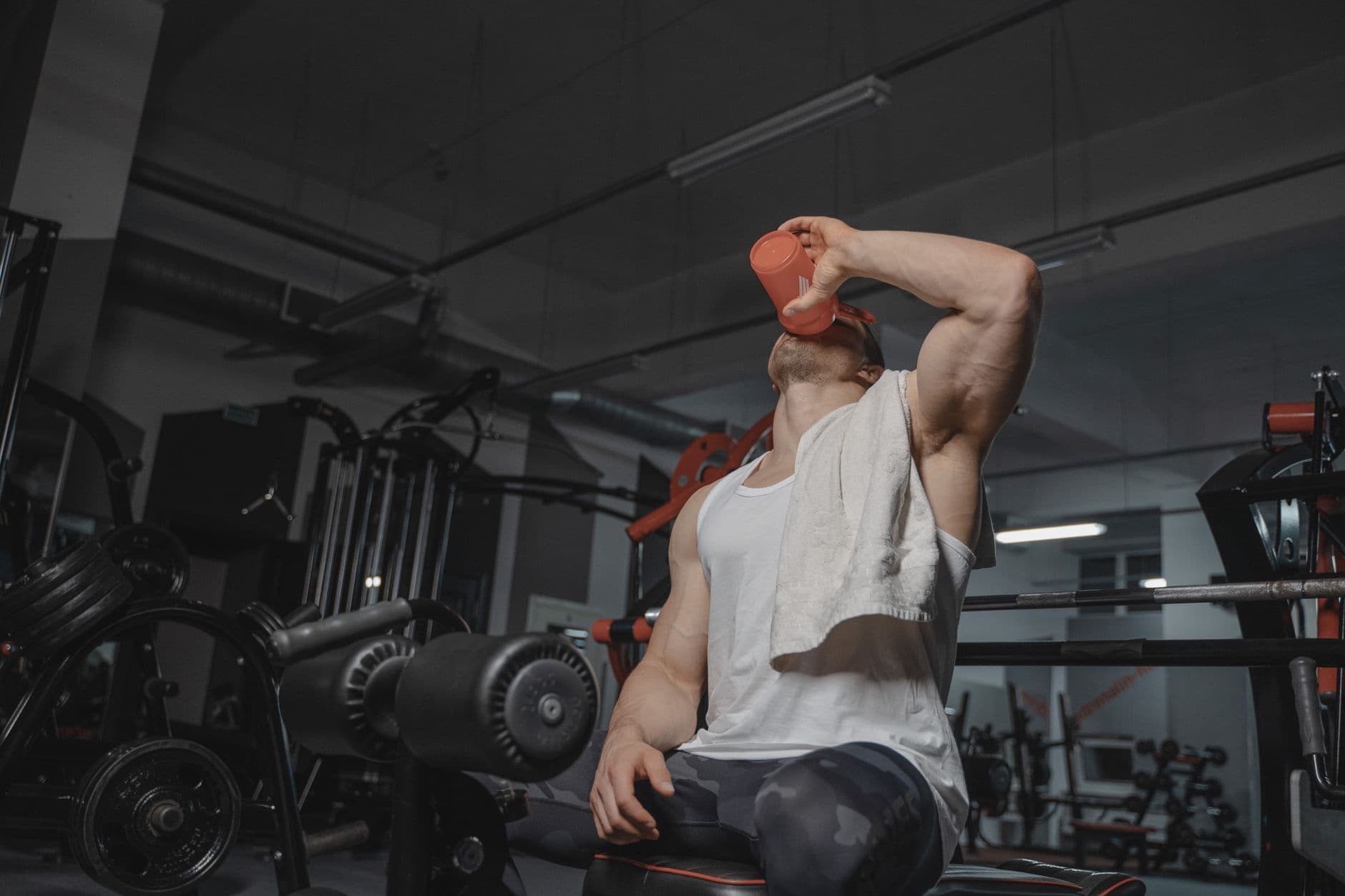
Glanbia launched Isopure Protein Water under a “Year of Clear” theme. Protein water is carving out room by doing something many shakes do not: delivering protein without the thickness, dairy load, or heavy finish that can make post-workout drinks feel like a chore. The category’s appeal is practical as much as nutritional, especially for consumers who want portability, clarity, and a lighter refreshment-style experience without giving up recovery benefits.
What protein water is really solving
The strongest case for protein water is friction reduction. It fits the consumer who wants protein after training but does not want a creamy shake, a powdered mix, or a beverage that feels closer to a meal replacement than a drink. That is why the category is increasingly defined by clear, low-calorie, lactose-free, plant-based, collagen, vitamin-infused, and amino-acid-fortified options, all of which broaden the use case beyond gym-only recovery.
It can sit beside sports nutrition, but it also fits mainstream wellness, afternoon hydration, travel, and even replacement of sugary sports drinks. For brands, the format is less about pushing more protein at any cost and more about solving the texture, taste, and convenience problems that have kept some shoppers away from traditional shakes.
The market is growing, but not evenly
The category is still emerging but gaining real commercial traction. Straits Research valued the global protein water market at USD 933.75 million in 2025 and projects it will reach USD 1,964.69 million by 2034, with a CAGR of 8.79% over 2026 to 2034.
North America is the leading competitive arena, while Asia-Pacific offers strong expansion potential. In practical terms, North America is already crowded with established sports nutrition and beverage players, while growth in Asia-Pacific depends more on education, distribution development, and local taste fit.
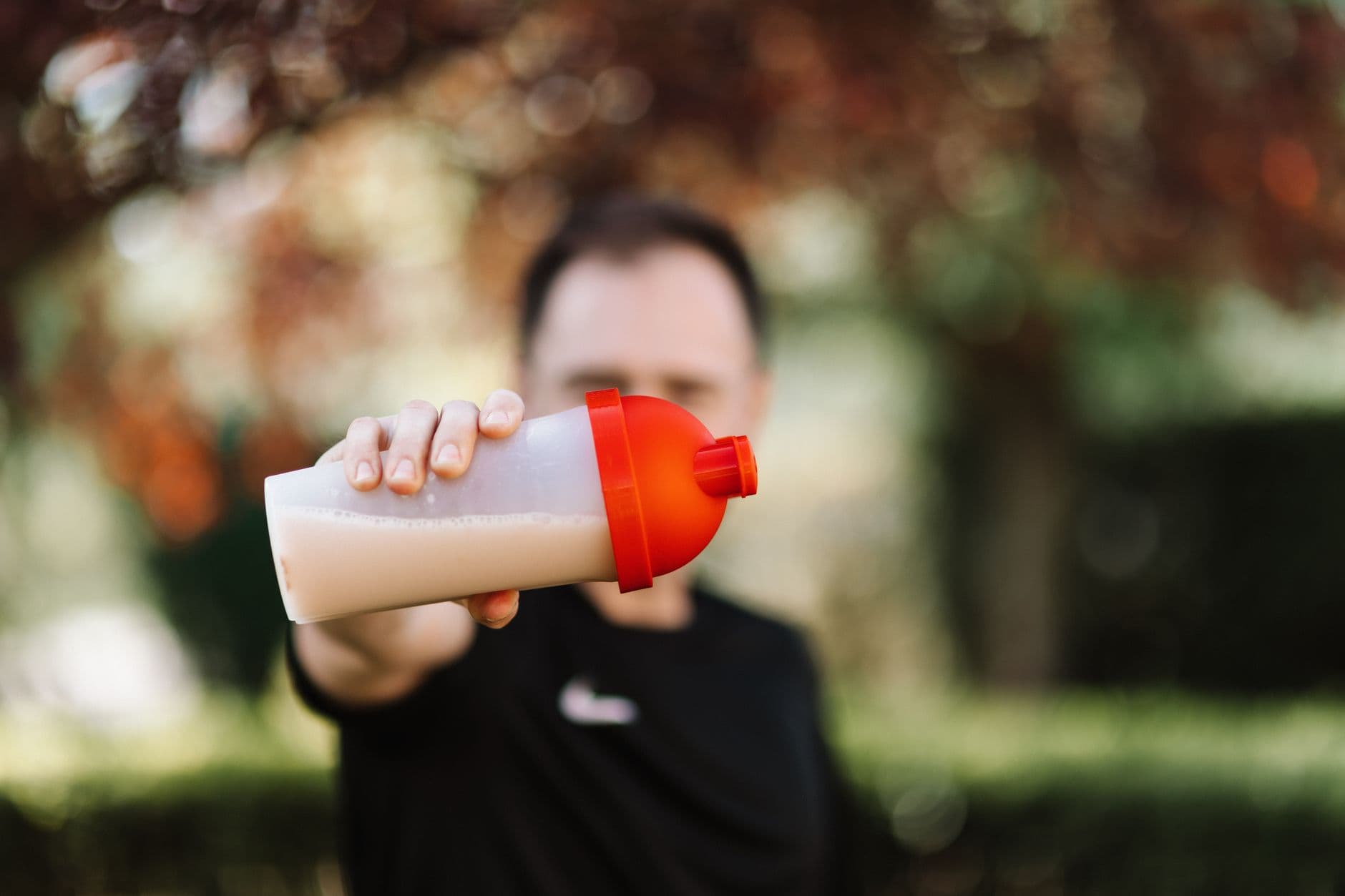
Why major brands are taking clear protein seriously
Glanbia also introduced a clear protein product through Optimum Nutrition. In Glanbia’s annual report, performance nutrition is a key growth engine and Optimum Nutrition is its #1 global sports nutrition brand. Clear-protein formats are becoming strategically important inside a company that already dominates parts of the protein aisle.
When brands with scale push into clear protein, they bring broader distribution and stronger shelf visibility, along with a higher bar for taste and formulation.
How brands are building demand
Marketing is playing a major role in adoption, especially through online fitness retail and influencer channels. Protein water sits right at the crossover of athletic recovery and mainstream wellness, so it can be framed in different ways depending on the audience: a post-gym replenishment drink for one shopper, a lighter functional beverage for another. That flexibility opens up more occasions than a conventional shake can usually claim.
The UK market offers a concrete example of how brands are packaging the idea. Nichols and THG planned to launch Myprotein Clear Whey Protein Water in September 2026, in 500ml bottles and two flavors, Vimto and Raspberry Lemon.
Myprotein’s broader clear whey activity makes this a platform, not a single SKU.

Formulation is the real competitive battleground
Protein water looks simple on the shelf, but the formulation challenge is not. Brands have to balance clarity, stability, flavor, sweetness, and protein delivery without creating a heavy mouthfeel or the off-notes that can ruin the drinking experience. Once the product is expected to stay clear and low-calorie, ingredient choice becomes a strategic decision rather than a back-end technical detail.
Arla Foods Ingredients has promoted clear-protein beverage concepts including sparkling protein water and Go Clear. Ingredient houses are thinking beyond basic protein addition toward beverage design. Lactalis Ingredients has also described clear protein water as a growing opportunity in Asia. The category’s next phase depends on formulation work that can handle regional tastes and shelf-stable beverage expectations.
Clarity is part of the value proposition, not just a visual trait. If the drink is meant to compete with flavored water, sports drinks, and other ready-to-drink refreshment products, it has to deliver protein without the density consumers are trying to avoid.
What the category means for retailers and the next phase of growth
Protein water sits as a bridge category between sports nutrition, flavored water, and better-for-you functional beverages. That positioning creates opportunities for premium pricing and broader distribution, especially when the product can be sold around use occasions rather than only around protein grams. The category also gives store buyers a way to capture consumers who want function but do not identify with traditional shake culture.
This article was produced by Prism’s automated news system from verified source data, official records, and press releases, then run through automated quality and moderation checks before publishing. The system is built and supervised by the people who set the standards it runs under. Read our full AI policy.
Did this article answer your question?