Study finds digestion-resistant plant proteins support healthy gut metabolites
Digestion-resistant plant proteins may do more than meet amino acid targets. They can reach the microbiome, where they help shape gut metabolites linked to plant-based eating.
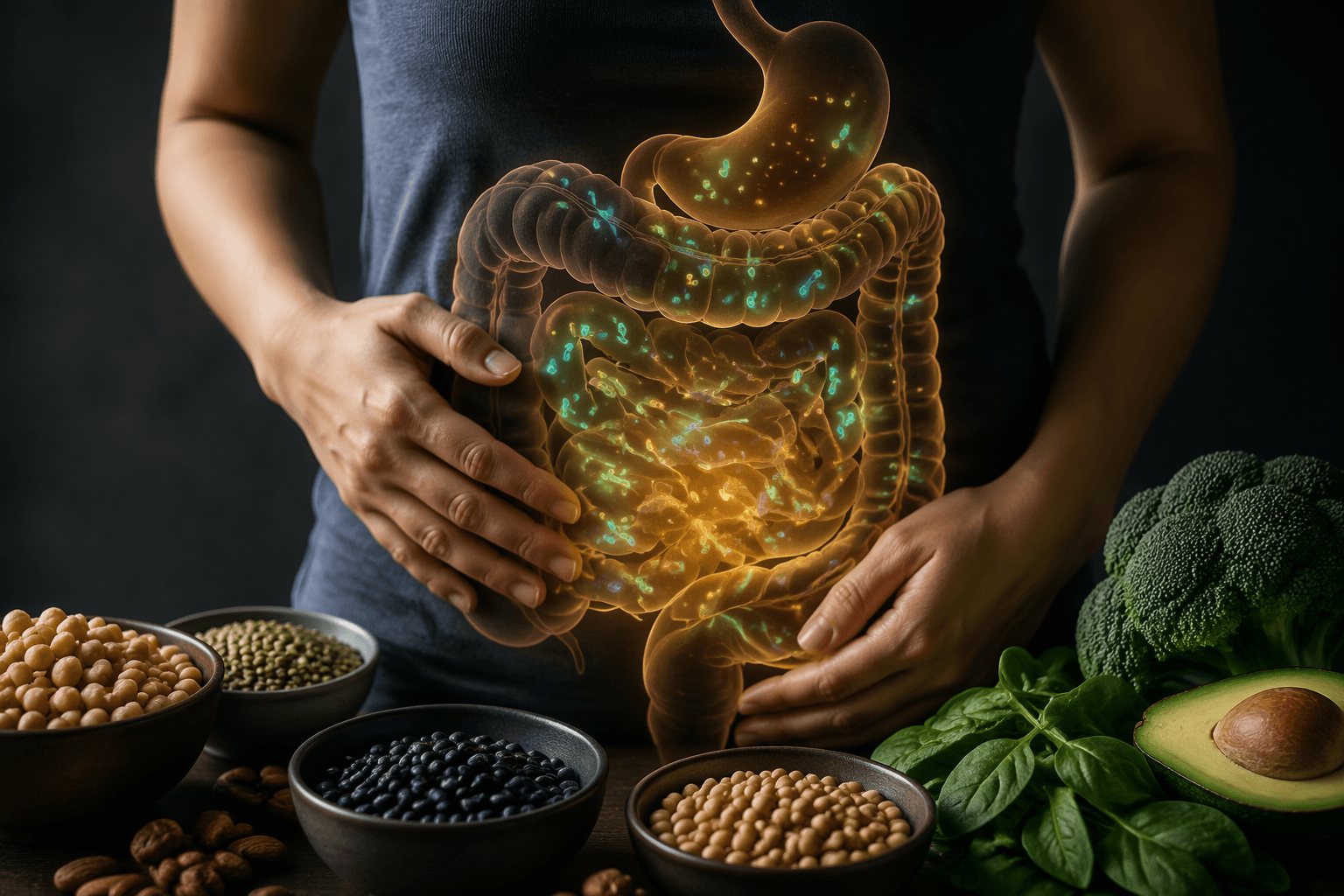
Digestion-resistant plant proteins are changing the protein conversation from how much to what reaches the gut. A new PNAS paper says proteins that survive host digestion can modulate microbiome metabolism and, together with fiber, support healthy metabolite profiles associated with plant-based diets. That mechanism matters because plant foods do not just deliver amino acids, they deliver material that can still be working after the stomach and small intestine are done with it.
Why the mechanism matters
The paper, titled “Digestion-resistant proteins support the healthy metabolite profiles associated with plant-based diets,” is indexed in PubMed as 42507910 and carries DOI 10.1073/pnas.2605226123. The core idea is simple but easy to miss in protein debates: not every protein is fully broken down before it reaches the lower gut. When some plant proteins resist host digestion, they arrive where the microbiome lives, and that changes the chemistry of the gut instead of ending the story at absorption.
That is the part worth paying attention to if you work with protein products, nutrition strategy, or diet formulation. The PNAS abstract says plant-based foods are rich in fiber and phytochemicals, and also contain proteins resistant to host digestion that thus reach the gut microbiome. In other words, the protein is not acting alone. It is part of a plant package, and that package appears to matter for the metabolites microbes produce.
What the PNAS paper adds
This study adds a clearer mechanism to a topic that has often been discussed in broad nutritional terms. The PubMed snippet for the paper is especially useful because it goes beyond the usual plant-protein-versus-animal-protein framing and points to microbiome metabolism directly: digestion-resistant plant protein modulates microbiome metabolism and, together with fiber, supports healthy metabolite profiles. That is a much more precise claim than simply saying plant protein is “healthier.”
Among the authors are Jenna AbuSalim, Kristin S. Ondrak, Karyn M. Gallivan and L. C. J. van Loon. AbuSalim described the work in a LinkedIn post as “the second paper from my PhD work,” which puts the paper in the context of a broader research program rather than a one-off result. That matters, because this kind of mechanism work usually only becomes convincing when it is part of a longer line of experiments and analysis.
The study also fits a wider shift in how researchers are talking about dietary protein. A 2025 NC State News analysis argued that simply labeling protein as animal-based or plant-based misses source-specific differences in composition, digestive efficiency and accessibility to the gut microbiota. This PNAS paper is a direct example of that point in action: the relevant question is not just where the protein comes from, but how much of it survives digestion and what happens when it reaches the microbes.
What this means for protein quality
For readers used to judging protein by amino acid counts alone, this is the bigger takeaway. Amino acid density still matters, but it is not the whole quality story if the protein never makes it far enough to interact with the microbiome. A protein source can look strong on a label and still behave very differently in the gut depending on its digestibility and the matrix around it.
That is where plant proteins start to look more interesting than the old shorthand suggests. The study points toward protein sources that keep some of their native structure and travel with fiber and phytochemicals, because that combination is what the paper connects to healthier metabolite profiles. It does not mean every plant protein will do the same thing, and it does not mean protein supplements with a long ingredient list automatically recreate the effect of a food matrix. It does mean that “protein quality” now needs to account for where digestion ends and microbiome metabolism begins.
What this does not prove yet
The paper does not close the book on protein quality, and it does not erase the value of established metrics. What it adds is a microbiome-facing layer that amino acid scoring cannot capture on its own. It also does not show that all benefits attributed to plant-based diets come from digestion-resistant protein alone, because the PNAS abstract itself ties the effect to fiber and phytochemicals as part of the same plant-food package.
That caution is important for product developers and diet planners. If you strip a plant protein too far from its food context, you may preserve the protein content while losing some of the conditions that help it interact with the gut in the same way. The study pushes the field toward a more exact question: not just how much protein is in the serving, but how digestible it is and what reaches the microbiome after digestion.
Where this fits in the broader literature
The new paper lands in a research stream that has been building for years. A systematic review in Nutrients, published in 2023 and titled “Effect of Plant-Based Diets on Gut Microbiota: A Systematic Review of Interventional Studies,” gathered interventional evidence on how plant-based diets affect the microbiota. A 2020 review on plant proteins also examined nutritional quality and health effects, laying groundwork for the current focus on function, not just composition.
Taken together, those papers help explain why the latest PNAS finding feels important without being overhyped. The field has already been moving past a simple plant-versus-animal split, and digestion-resistant protein gives that shift a concrete mechanism. The practical lesson is straightforward: when protein reaches the gut, it can still be biologically active, and the best way to judge it may be by looking at digestion, microbiome access and metabolite output alongside the amino acid table.
This article was produced by Prism’s automated news system from verified source data, official records, and press releases, then run through automated quality and moderation checks before publishing. The system is built and supervised by the people who set the standards it runs under. Read our full AI policy.
Did this article answer your question?