SafeNov aims to speed EU approval of novel proteins
A Danish-led consortium is trying to shave 6 to 12 months off EU novel food approvals, a delay that can decide whether protein startups reach market.

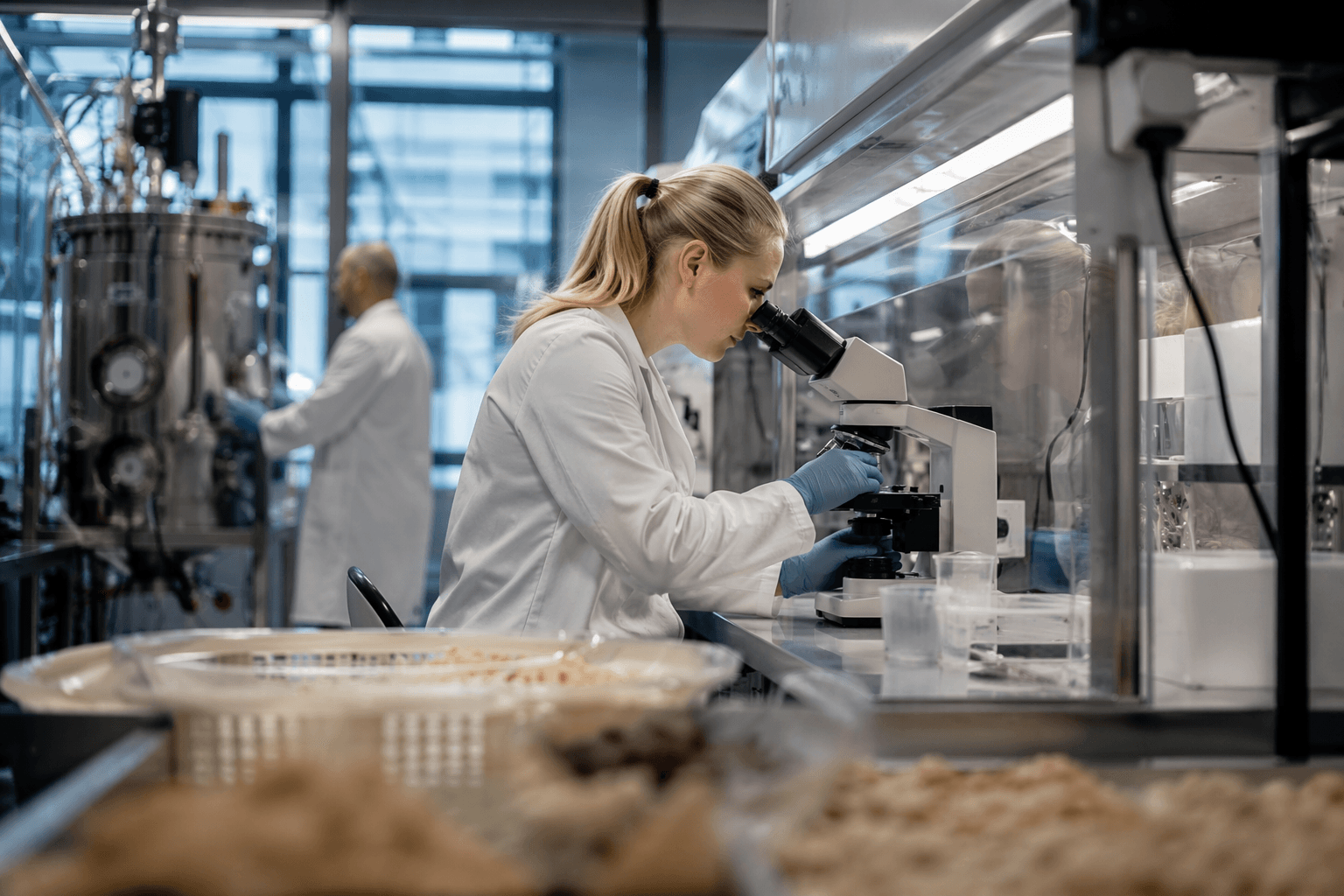
A Danish-led consortium is trying to pull novel proteins out of Europe’s slowest commercial bottleneck. SafeNov, coordinated by the Technical University of Denmark’s National Food Institute, brought together more than 40 experts from Denmark, Austria, Finland, Italy and Spain to help the European Food Safety Authority assess novel foods faster without lowering safety standards.
The target is concrete: SafeNov aims to cut the usual novel food authorization timeline by six to 12 months. For companies working on new proteins, algae and insects, that matters as much as science does. Every month spent waiting on approval can reshape a startup’s launch plan, raise R&D spending and push a company to trial products in other markets first. DTU’s Morten Poulsen said the challenge has been discussed for years, and argued that assessment capacity has to keep pace with innovation if promising products are to reach market in time to support a more sustainable food system.
The pressure point is not simply paperwork. Applicants must document composition, production methods, intake levels, allergy risk and health effects in detail, and missing information can slow the file further. The EU defines novel food as food not consumed to a significant degree in the bloc before 15 May 1997, and Regulation (EU) 2015/2283 has applied since 1 January 2018. On paper, EFSA is supposed to adopt an opinion within nine months of receiving a valid application, and the European Commission then has seven months after that opinion is published to submit a draft implementing act. In practice, a 2025 study of 292 EFSA novel food applications submitted between 2018 and 2024 found the average time from submission to publication of EFSA’s opinion was 2.56 years, with delays often tied to suitability checks and requests for additional data.

That gap is why SafeNov could matter beyond the laboratory. DTU says the consortium covers chemistry, microbiology, biotechnology, food technology, nutrition, exposure, toxicology, allergenicity, epidemiology and human studies, giving EFSA a wider bench of expertise when files are dense and technically specific. EFSA has also tried to make the process easier to navigate, with its four phases of pre-submission, submission, risk assessment and post-adoption, targeted support calls for novel food SMEs in 2024 and 2025, and an open session for applicants on 7 May focused on procedures, confidentiality assessments and scientific guidance.
SafeNov may end up being either a genuine speed boost or a better map through the same slow system. For Europe’s next-generation protein sector, even a modest reduction in the lag between discovery and authorization could change which products are built, where they are launched and how investors judge the path to market.
This article was produced by Prism’s automated news system from verified source data, official records, and press releases, then run through automated quality and moderation checks before publishing. The system is built and supervised by the people who set the standards it runs under. Read our full AI policy.
Did this article answer your question?