Telitacicept shows promise for IgA nephropathy in phase 3 trial
Telitacicept cut proteinuria 58.9% at 39 weeks versus 8.8% for placebo, a result that could shift IgA nephropathy care.
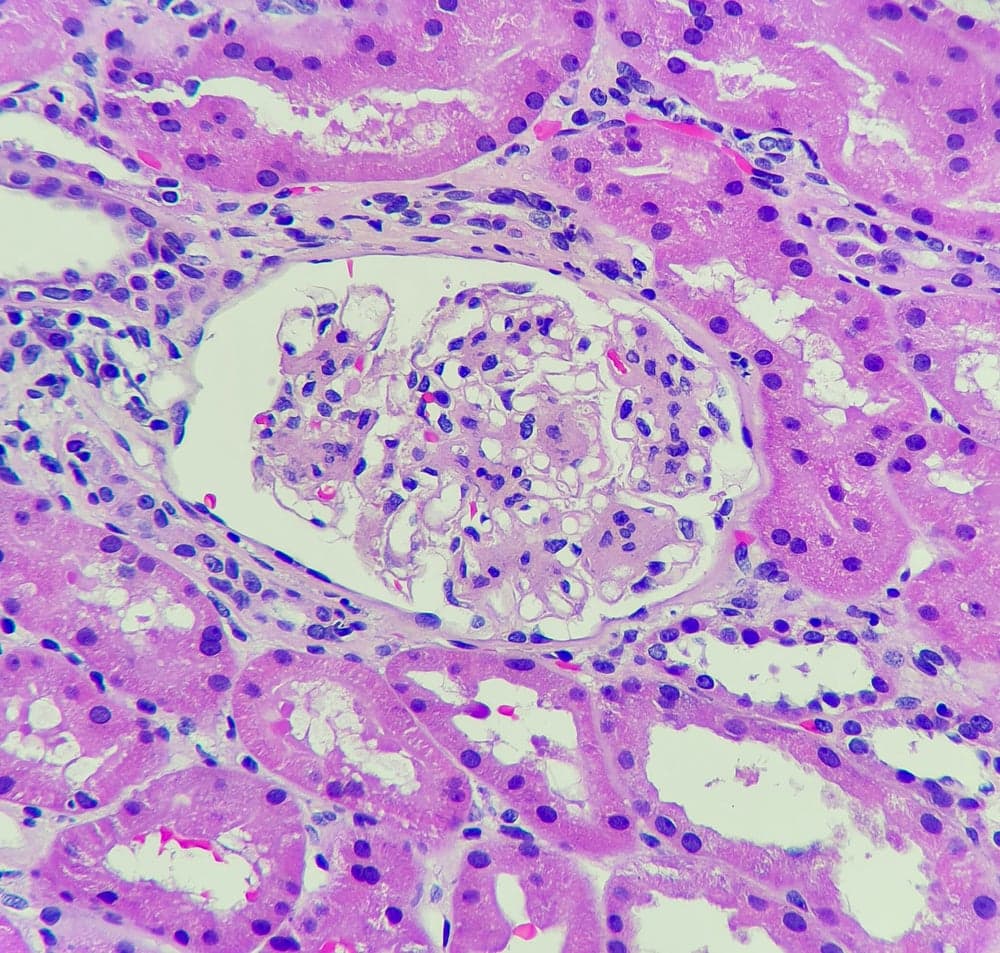
Telitacicept’s edge in IgA nephropathy comes from where it acts: the drug is a dual-target fusion protein that neutralizes BAFF and APRIL, two survival signals that help drive the B-cell biology behind pathogenic IgA production. In a disease where kidney injury has long been managed mainly with blood-pressure control, RAAS blockade and other supportive measures, that mechanism is exactly what makes this readout matter.
The New England Journal of Medicine published the TELIGAN interim phase 3 analysis on May 13, 2026, drawing on a multicenter, randomized, double-blind, placebo-controlled study of 318 adults with biopsy-proven IgA nephropathy and persistent proteinuria despite supportive care. Patients were assigned 1:1 to subcutaneous telitacicept 240 mg once weekly or matching placebo at 72 sites in China. The prespecified primary endpoint was the geometric mean ratio of the 24-hour urinary protein-to-creatinine ratio at 39 weeks relative to baseline.

By week 39, proteinuria had fallen 58.9% with telitacicept, compared with 8.8% with placebo. That translated into a 55.0% relative difference in favor of active treatment, with a 95% confidence interval of 47.6 to 61.3 and a P value below 0.001. Equally important, eGFR remained stable through treatment in the interim analysis, which matters in a kidney disease where short-term proteinuria gains only count if they come without an obvious hit to filtration.
The result lands in a field that has changed fast. KDIGO’s 2025 IgA nephropathy guideline says the landscape has shifted substantially since 2021 and underscores IgA nephropathy as the most common primary glomerular disease and a leading cause of chronic kidney disease and kidney failure. It also reflects a practical pivot in how nephrologists judge value: proteinuria reduction has become a central surrogate, not just a lab number to watch.
That is why telitacicept now looks like more than a single positive readout. The drug already has approvals in China for systemic lupus erythematosus, rheumatoid arthritis and generalized myasthenia gravis, giving it a regulatory footprint that many kidney programs do not have. RemeGen funded the TELIGAN study, which carries the ClinicalTrials.gov identifier NCT05799287, and Vor Bio says it is pushing telitacicept into global phase 3 development outside Greater China. In a crowded kidney pipeline, dual BAFF and APRIL blockade has moved from an interesting idea to a serious competitive position.
Know something we missed? Have a correction or additional information?
Submit a Tip