Trump to sign order cutting beef tariffs as prices hit records
Cutting beef tariffs would mostly ease ground-beef pressure, not reset store prices. Record prices, a 75-year-low herd and protein-heavy diets keep the squeeze on.

Slashing beef tariffs would likely soften price pressure at the margin, not deliver an immediate reset at the meat counter. The biggest effect would land on lean beef trimmings, the imported beef used to make ground beef, while premium steak cuts would remain far more tied to the tight domestic cattle supply.
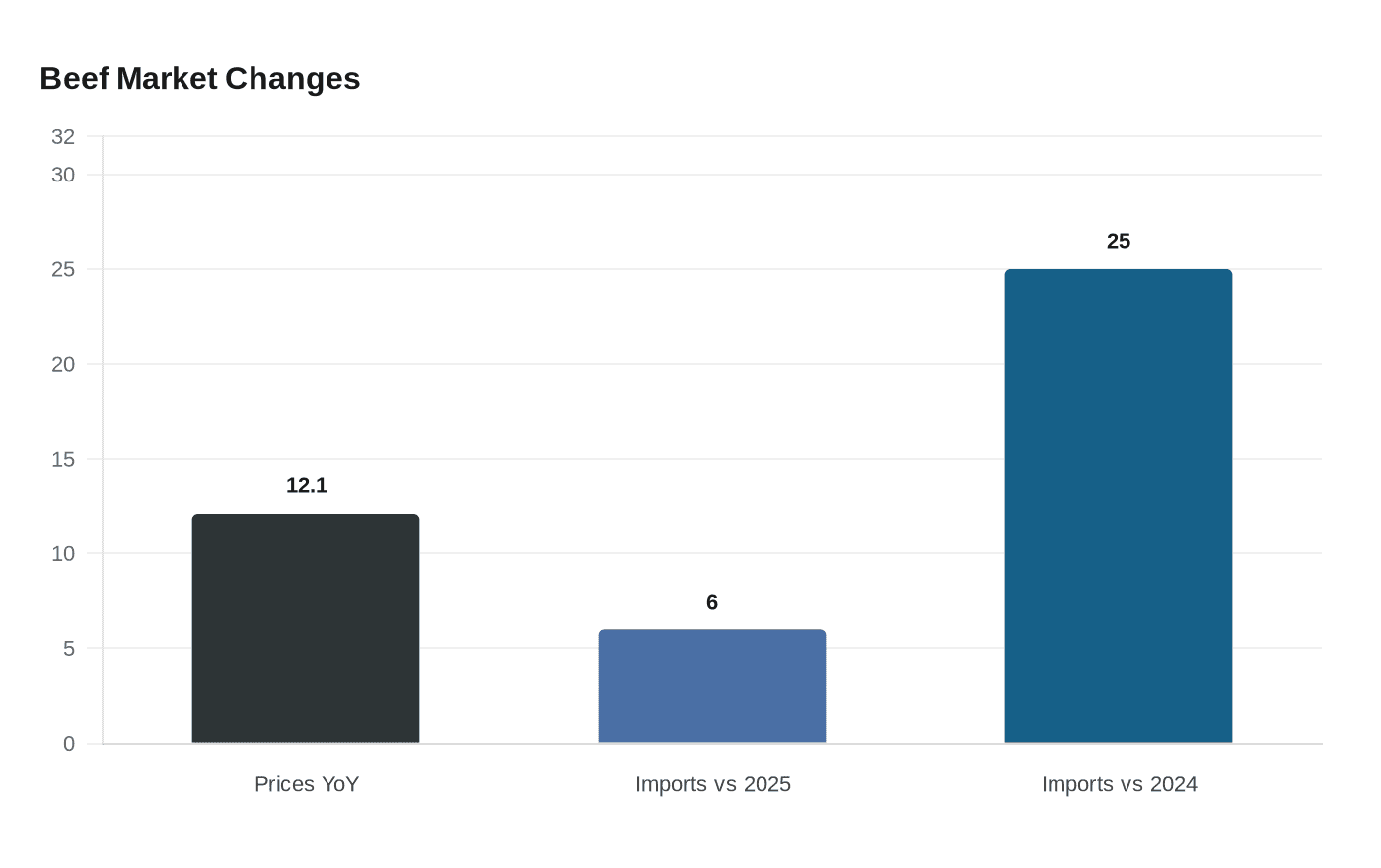
President Donald Trump was set to sign an executive order cutting tariffs on foreign beef imports as the White House moved to answer record prices and temporary shortages in the U.S. market. The policy push came after April ground beef prices crossed $7 a pound for the first time and steak prices climbed above $13 a pound. The Labor Department said beef prices were up 12.1% from a year earlier, and some market measures put beef more than 16% above the level seen when Trump returned to office in January 2025.
The timing was political as much as economic. The White House was trying to show progress on grocery affordability ahead of November midterms, even as traders and ranchers warned that the underlying supply problem would not disappear with one tariff move. Earlier comments by Trump about high beef prices had already pushed feeder-cattle futures lower and triggered fresh anger among ranchers, especially in cattle states.
The core problem is a herd that is still too small for the appetite of the market. The U.S. cattle herd stood at 86.2 million head on Jan. 1, 2026, the smallest in 75 years, after seven straight years of contraction. USDA projected a record 5.8 billion pounds of beef imports in 2026, up about 6% from 2025 and 25% from 2024, which shows how dependent the market has become on foreign supply just to stay balanced.
Even so, tariff changes under the current quota system would not flood the country with steaks. Once import volumes pass a threshold, higher tariffs kick in, so suspending those limits would mainly increase lean beef trimmings. That matters most for ground beef and cull cow markets, where imported product can fill a gap faster than cattle producers can rebuild herds.
Diet trends are adding another layer. GLP-1 weight-loss drugs are pushing more consumers toward protein-heavy eating, as people try to preserve muscle while cutting calories. That keeps demand for protein resilient even when prices rise, which helps explain why cattle futures have remained steady despite the squeeze on shoppers.
The White House had already delayed a planned tariff suspension and was fine-tuning the language of its executive actions, while also weighing additional beef imports and possible support for ranchers. For consumers, the relief may be real but limited: cheaper trim can temper ground beef costs, but the broader market is still being ruled by scarce cattle, strong protein demand and a politics of affordability that is only getting louder.
This article was produced by Prism’s automated news system from verified source data, official records, and press releases, then run through automated quality and moderation checks before publishing. The system is built and supervised by the people who set the standards it runs under. Read our full AI policy.
Did this article answer your question?