UK supermarkets can cut emissions cheapest by selling more plant protein
A new London briefing says the cheapest supermarket decarbonization lever is selling more plant protein, and Lidl GB is already chasing 25% of total protein sales by 2030.
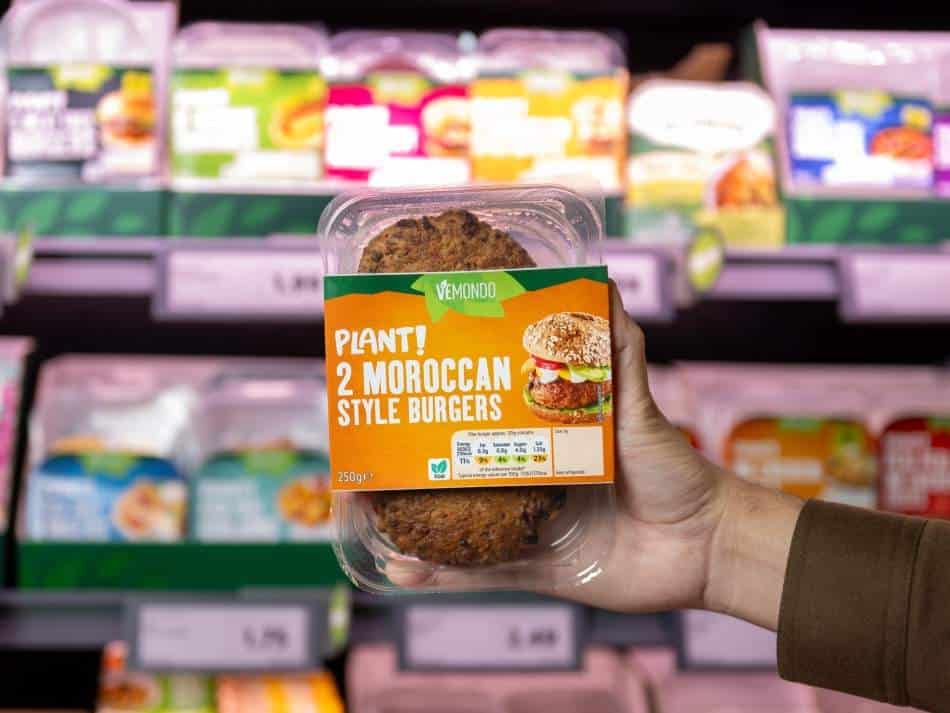
A new Eunomia and Madre Brava report launched at a breakfast event at The Conduit in London said UK supermarkets can cut emissions most cheaply by changing the protein mix on their shelves, not just by relying on packaging or operational tweaks. The analysis focused on Scope 3 Forest, Land and Agriculture emissions and modeled the main levers available to retailers, concluding that increasing plant-based protein sales is the most cost-effective route.
The timing mattered. The launch took place on Friday, 26 June 2026, during London Climate Action Week, which runs from 20 to 28 June and bills itself as the largest independent climate event in Europe. Madre Brava and Eunomia Research & Consulting hosted the discussion in the Nobel Rooms at The Conduit, 6 Langley Street, WC2H 9JA, in central London.
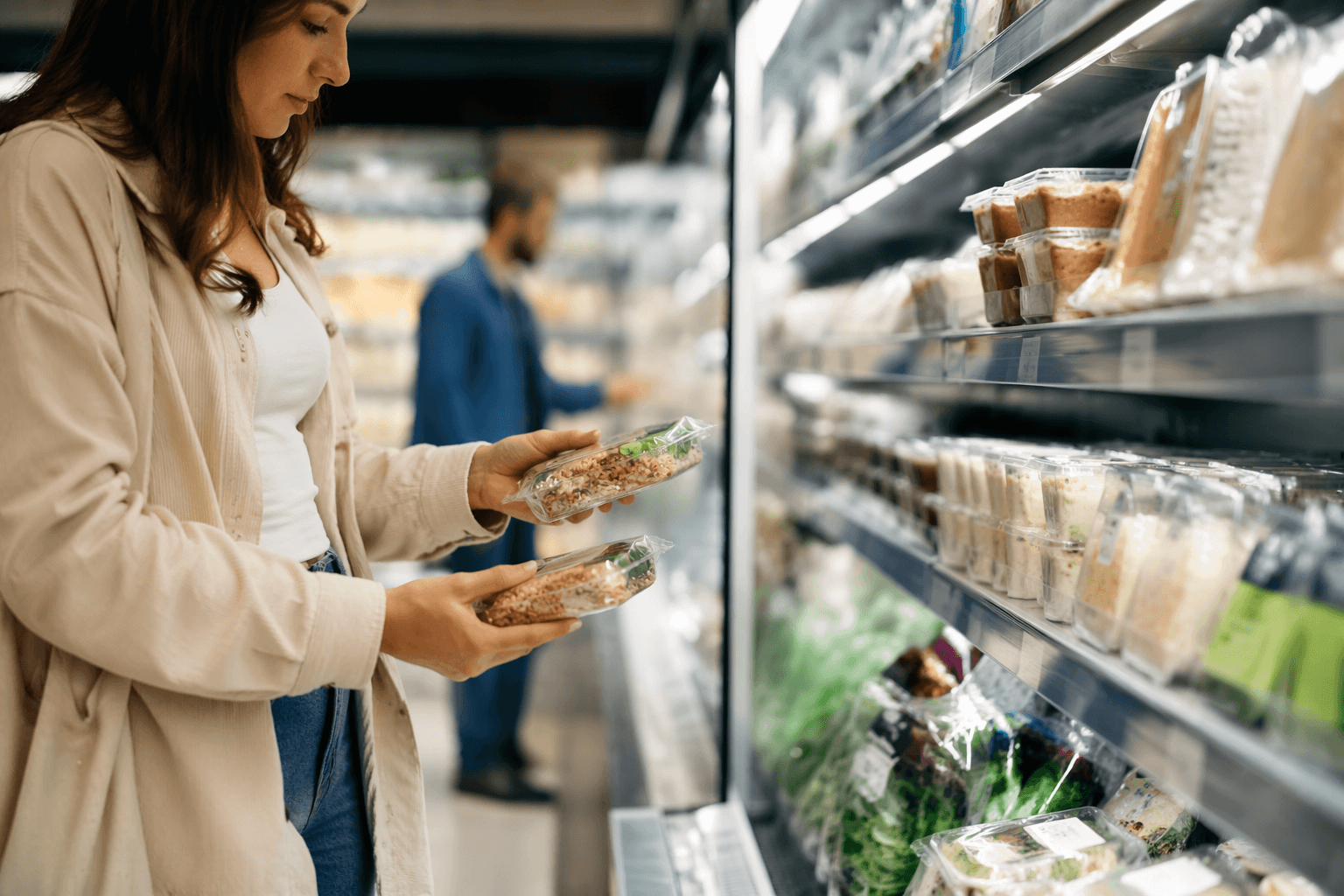
What gives the report commercial weight is that it does not treat plant protein as a side project. It frames it as a growth lever that can pull climate targets, assortment strategy and consumer demand in the same direction. For supermarkets, that means the issue is not only whether a chain can cut carbon, but how it would actually manage the category: how much shelf space plant proteins get, how they are priced, what gets promoted, and how suppliers are brought into the shift.
Lidl GB is the clearest sign that this is already moving from theory into retail planning. The discounter first announced in 2024 that it wanted plant-based protein to make up 25% of total protein sales by 2030. It said that target was designed to align with the Planetary Health Diet framework, and it described itself as the first British retailer to do so. Lidl GB also said in September 2025 that it had achieved a 694% increase in own-label meat-free and plant-based milk sales, well above its earlier 400% goal.
That performance matters because it shows the plant-protein argument is not just a climate case, but a merchandising one. Lidl GB says it has backed the target with a broader healthy-and-sustainable-diets strategy, including weekly fruit-and-veg discounts, reformulation work, a larger Vemondo Plant! range and more in-store visibility and marketing. The chain has also set wider UK targets to increase fresh fruit and veg sales by 35% by 2026, boost total fibre sold by 20% by 2026 and make 80% of sales healthy or healthier by 2025.
The report lands in a market where protein diversification is starting to look less like niche sustainability language and more like category management. For supermarkets chasing climate targets without sacrificing sales, the cheapest path may be the one that changes the basket itself.
This article was produced by Prism’s automated news system from verified source data, official records, and press releases, then run through automated quality and moderation checks before publishing. The system is built and supervised by the people who set the standards it runs under. Read our full AI policy.
Did this article answer your question?