US Army seeks on-site alternative proteins to cut combat food logistics
The Army is pushing alternative proteins into combat logistics, aiming to make shelf-stable food on site and reduce convoy dependence in contested zones.
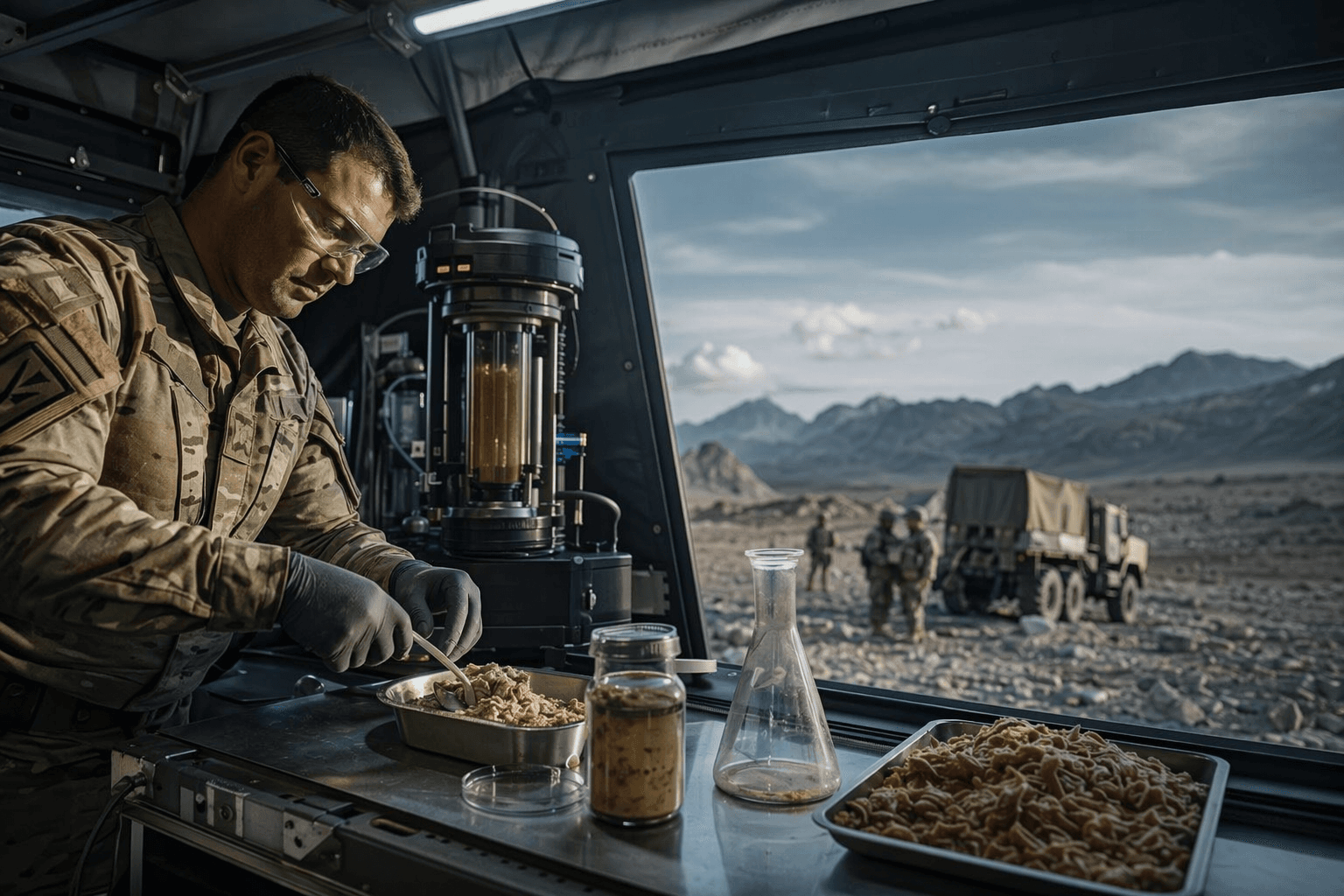
The Army has moved alternative protein development squarely into combat logistics, asking industry and academia to help produce lighter, shelf-stable food that can be made closer to the warfighter and reduce the risk tied to long supply lines. In a notice titled Alternative Protein Technologies for Military Field Feeding, the U.S. Army Combat Capabilities Development Command Soldier Center, or DEVCOM-SC, Combat Feeding Division in Natick, Massachusetts, said it was looking for technologies that could improve food supply chain resilience, enable biomanufacturing in combat-forward environments, and provide tailored nutrition to deployed troops.
The notice, published April 16 and carrying a May 15 response deadline, asked for product development, consumer research, and prototype demonstrations around fermentation, precision fermentation, and other novel biomanufacturing methods. The Army said it wants foods that are lightweight, nutrient-dense, shelf-stable, palatable, and safe enough to meet FDA Generally Recognized as Safe standards, with military panels handling sensory testing of candidate products. The emphasis is practical: cut the physical burden on warfighters, keep food viable without heavy refrigeration, and maintain or improve nutritional value in the field.
That push fits a larger Pentagon effort to think differently about food under combat conditions. In a 2024 Army SBIR topic on forward-deployed biomanufacturing, the service set a goal of producing enough biomass to feed 14 male warfighters for 24 hours after a startup period of no more than five days, preferably three. The concept called for systems that could turn in-place resources such as air, microbes, water, and energy into foodstuffs, a sign that the Army is not just chasing novelty but trying to build resilience against contested logistics.
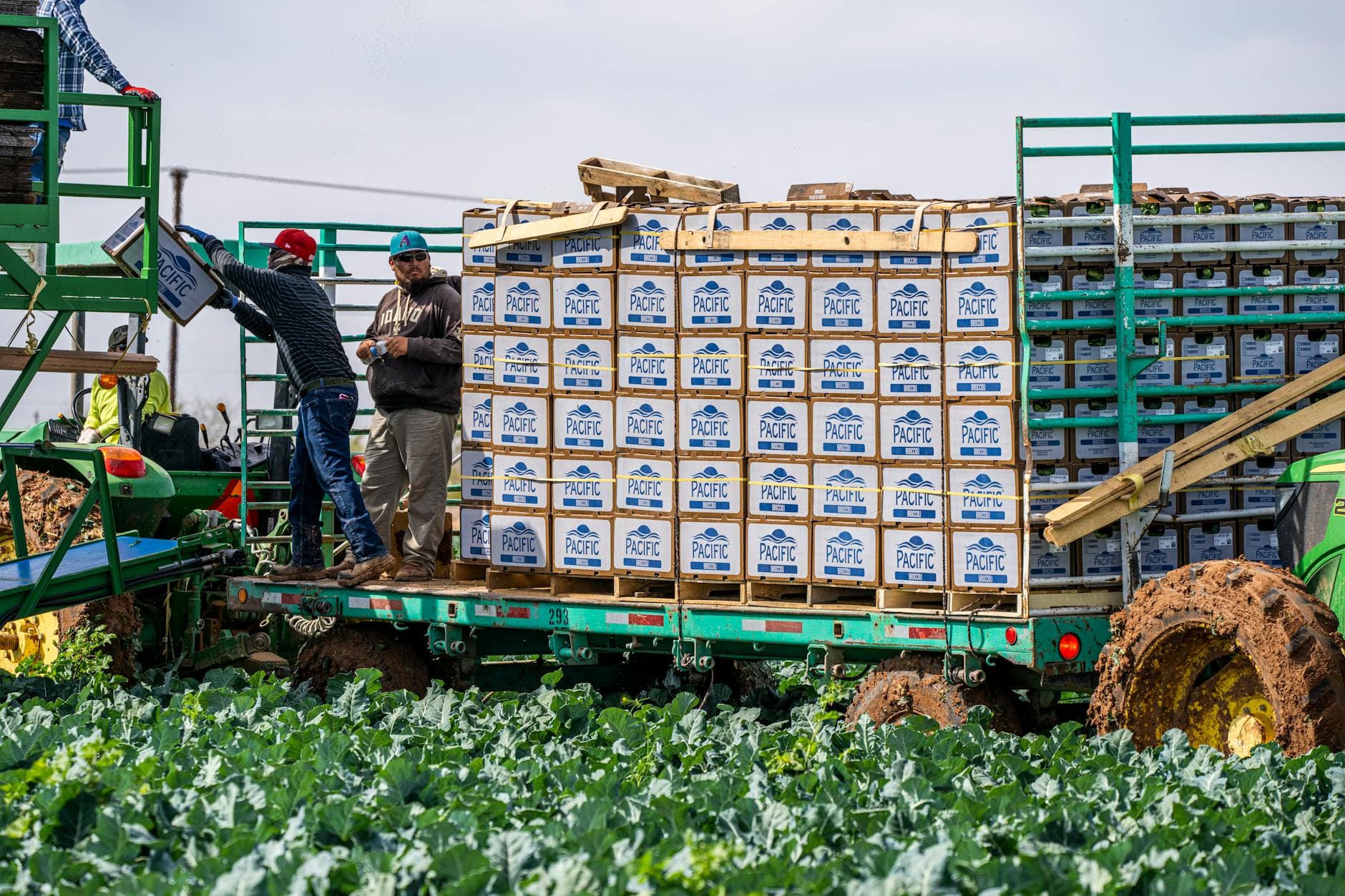
The Army’s latest move also follows a plan announced last year to offer plant-based MREs, while the Navy began testing plant-based meats on menus in 2023 and the Air Force already offers meatless dishes. A broader 2024 defense food-research push set aside $17.5 million through BioMADE for novel protein-source work, and that research has focused on plant-protein and mycoprotein ingredients that are shelf-stable and dehydrated, not cultivated meat. Supporters such as the Good Food Institute argue that alternative proteins can strengthen supply chains, reduce exposure to zoonotic disease and agricultural bioterrorism risks, and support point-of-need food manufacturing in deployed settings.
The question now is whether those technologies can clear the hardest military tests: calorie density, shelf life, equipment weight, taste acceptance, and energy demand. With 2026 MRE menus already spanning Buffalo Chicken, Cuban beef picadillo, and Thai red chicken curry, the Army is clearly willing to adapt menus. The harder shift is making food production itself part of the fight.
This article was produced by Prism’s automated news system from verified source data, official records, and press releases, then run through automated quality and moderation checks before publishing. The system is built and supervised by the people who set the standards it runs under. Read our full AI policy.
Did this article answer your question?