U.S. nutrition drinks move beyond clinical use into lifestyle beverages
Nutrition drinks are moving from clinical and gym use into everyday routines, with brands leaning on convenience, satiety, and clean-label trust.

A category that now lives in the middle aisle, not just the clinic
Nutrition drinks are breaking out of the gym bag and the clinical aisle. Innova Market Insights’ U.S. nutrition drinks report describes a category that is no longer confined to sports performance or medical nutrition, but is instead settling into the space between food, beverages, and supplements.
That shift matters because it changes the job these drinks are trying to do. Rather than serving one narrow purpose, they are now competing with meal replacements, hydration products, and everyday functional beverages for the same moments of use, from breakfast to the afternoon bridge snack to recovery after exercise. The report says the category now includes drinks built for strength, metabolism support, and hybrid benefits such as hydration plus protein, which is exactly the kind of crossover that helps a niche supplement start behaving like an everyday beverage.
Why brands are talking like beverage companies, not lab companies
The winning formula is less about technical complexity and more about clarity. Innova’s read of the market is that consumers want satiety, digestive health, and energy, but they do not want drinks that feel over-engineered or overly clinical. Short ingredient lists, straightforward benefit cues, and taste that earns repeat purchase have become as important as protein grams or added functionality.
That pressure is reinforced by the way U.S. labeling rules work. The U.S. Food and Drug Administration separates claims on food and dietary supplement labels into health claims, nutrient content claims, and structure/function claims, and it also notes that liquid products can be distinguished as dietary supplements or conventional beverages based on product and labeling factors. In practice, that means a protein drink is not just a product-development decision, it is a messaging decision, and brands have to be careful about how they describe what the drink does and where it belongs.
The occasions pulling protein drinks into everyday life
The clearest reason this category is expanding is that protein itself has gone mainstream in consumers’ minds. Mintel says U.S. consumers now see protein as important not only for athletic performance, but also for energy, satiety, and healthy ageing. That broader understanding makes protein drinks useful in more parts of the day, especially when people are trying to stay full between meals or need something fast that still feels nutritionally meaningful.
The policy backdrop is reinforcing that everyday framing. The U.S. Department of Agriculture and the U.S. Department of Health and Human Services released the Dietary Guidelines for Americans, 2025-2030 on January 7, 2026, and the guidance gives protein a stronger household role by encouraging Americans to eat more real food and prioritize protein at every meal. At the same time, peer-reviewed research continues to link higher protein intake with preserving muscle mass and function in older adults, which keeps nutrition drinks relevant well beyond the fitness crowd and into healthy aging and recovery conversations.
Retail and brand moves are making the shift visible
The broader beverage market is already treating hydration and protein as converging lanes. Whole Foods Market’s 2025 trend forecast highlighted a boom in hydrating ready-to-drink beverages, and its 2026 trends report said eight trends are expected to shape food and beverage shopping in the year ahead. That kind of retail framing matters because it signals where shoppers are being trained to look for function: not only in powders and tubs, but in ready-to-drink bottles that can sit next to coffee, sparkling water, and wellness sodas.
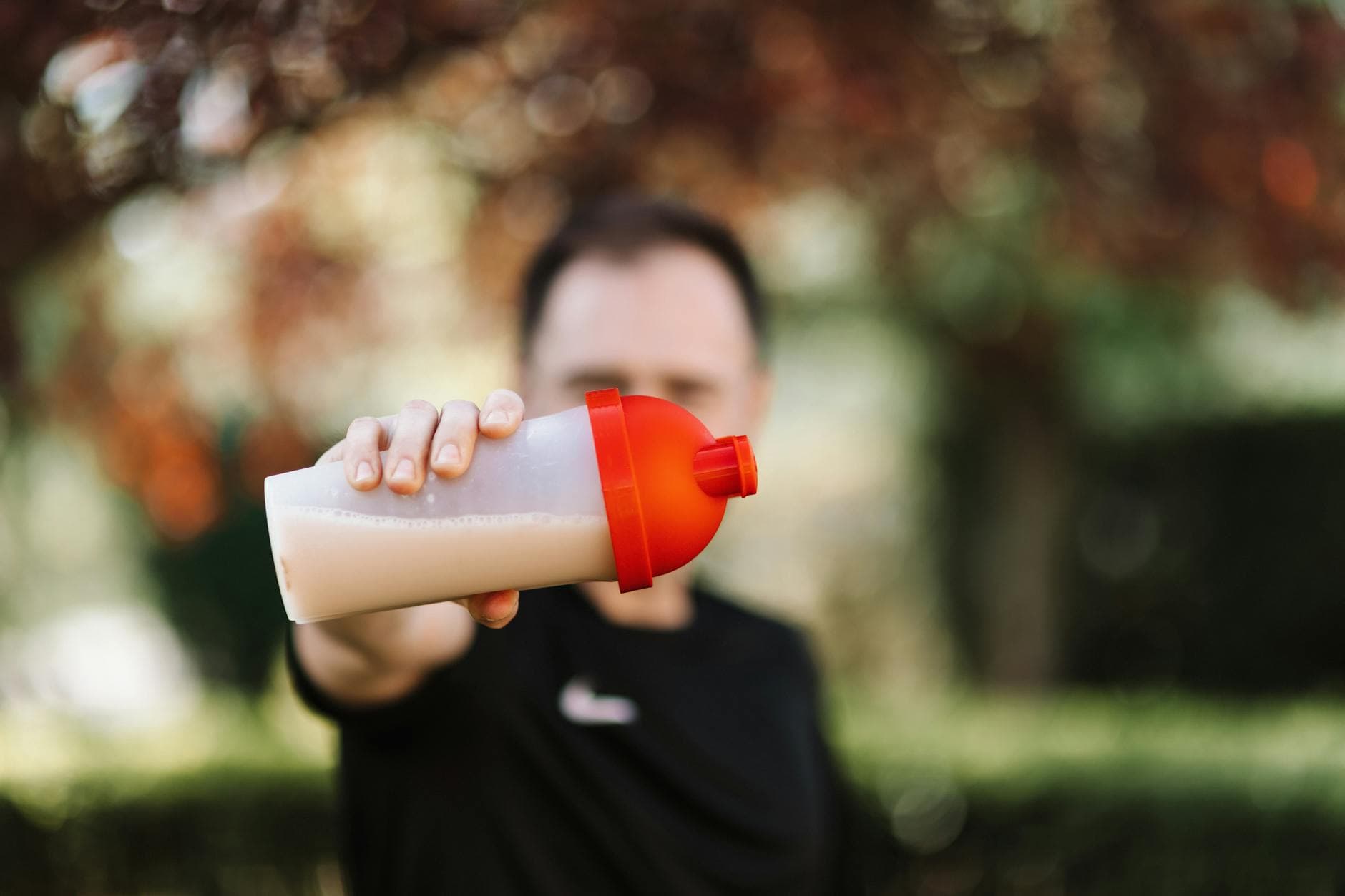
PepsiCo’s recent moves show how aggressively large beverage companies are leaning into the same trend. The company completed its $1.95 billion acquisition of poppi on May 19, 2025, then followed with Starbucks Coffee & Protein in February 2026, a beverage line built around 22g of complete protein and 5g of prebiotic fiber. PepsiCo also announced Propel Clear Protein with 20g protein, fiber, and electrolytes, which makes the category’s hybrid logic impossible to miss: hydration, protein, and function are being bundled into one portable format.
What the strongest products will have to do next
The next phase of competition is about making the value proposition feel intuitive. Innova’s report points to a market where nutrition shakes have overtaken weight-loss and weight-gain shakes, a telling signal that shoppers are gravitating toward general wellness and lifestyle support rather than a single body-image goal. That leaves less room for vague positioning and more room for products that clearly explain who they are for, when they fit, and what problem they solve.
PepsiCo’s own Muscle Milk reformulation points in the same direction, with a cleaner ingredient deck and no artificial sweeteners, flavors, or colors. That kind of move reflects a broader consumer expectation: if a nutrition drink wants to live in the mainstream, it has to taste good, look familiar, and feel trustworthy enough to drink at breakfast, after a walk, between meetings, or as an easy evening option.
The category’s future is being written less by clinical necessity than by daily habit. Nutrition drinks are becoming the kind of beverage people reach for because they are convenient, filling, and easy to understand, and that is what turns a supplement into a lifestyle drink.
This article was produced by Prism’s automated news system from verified source data, official records, and press releases, then run through automated quality and moderation checks before publishing. The system is built and supervised by the people who set the standards it runs under. Read our full AI policy.
Did this article answer your question?