Whey becomes a strategic protein stream as dairy demand surges
Whey is shifting from disposal problem to profit center as protein demand climbs and membranes unlock new ingredient streams.

Whey’s new role in the dairy business
Whey is no longer just the liquid left behind after cheese. It is increasingly treated as a protein-and-mineral revenue stream, and that change is reshaping how dairy plants think about value, waste and equipment investment. The scale of the opportunity is hard to ignore: the global whey protein market was valued at $13.58 billion in 2025 and is projected to reach $26.24 billion by 2034, a signal that demand for whey-derived ingredients is moving far beyond a niche formulation market.
That growth is being pulled by several forces at once. Consumers and formulators are paying closer attention to protein intake, while sports nutrition, clinical nutrition and infant formula continue to rely on whey-based ingredients for their functionality and nutritional profile. In practical terms, whey has become one of the most strategically important raw material pipelines in the broader protein economy, not a side stream to be managed after the real work is done.
Why the economics are changing
The key shift is not just that whey has value, but that more of its value can now be captured inside the plant. Where processors once focused on disposal or low-return uses, the newer mindset is to optimize the recovery of proteins, minerals, lactose and water. That changes the economics of dairy processing in two ways: it raises the amount of marketable material coming out of each unit of feedstock, and it reduces the cost of handling what remains.
This matters because dairy margins are being squeezed from both sides. Ingredient demand is pushing the value of protein upward, while sustainability expectations are pushing processors to cut waste and reuse more of what moves through the plant. The most attractive whey systems are the ones that do both at once, turning what used to be a burden into a source of additional yield and lower operating friction.
The membrane toolkit behind the transformation
The workhorse technologies in this shift are microfiltration, ultrafiltration and diafiltration. Each one helps separate specific components from whey, and together they create a flexible recovery system that can be tuned to plant goals. Microfiltration is used to separate finer particles and help prepare streams for further processing. Ultrafiltration concentrates proteins by retaining larger molecules while allowing smaller components to pass through. Diafiltration adds water and continues the separation process, improving purity and helping recover more of the desired material.
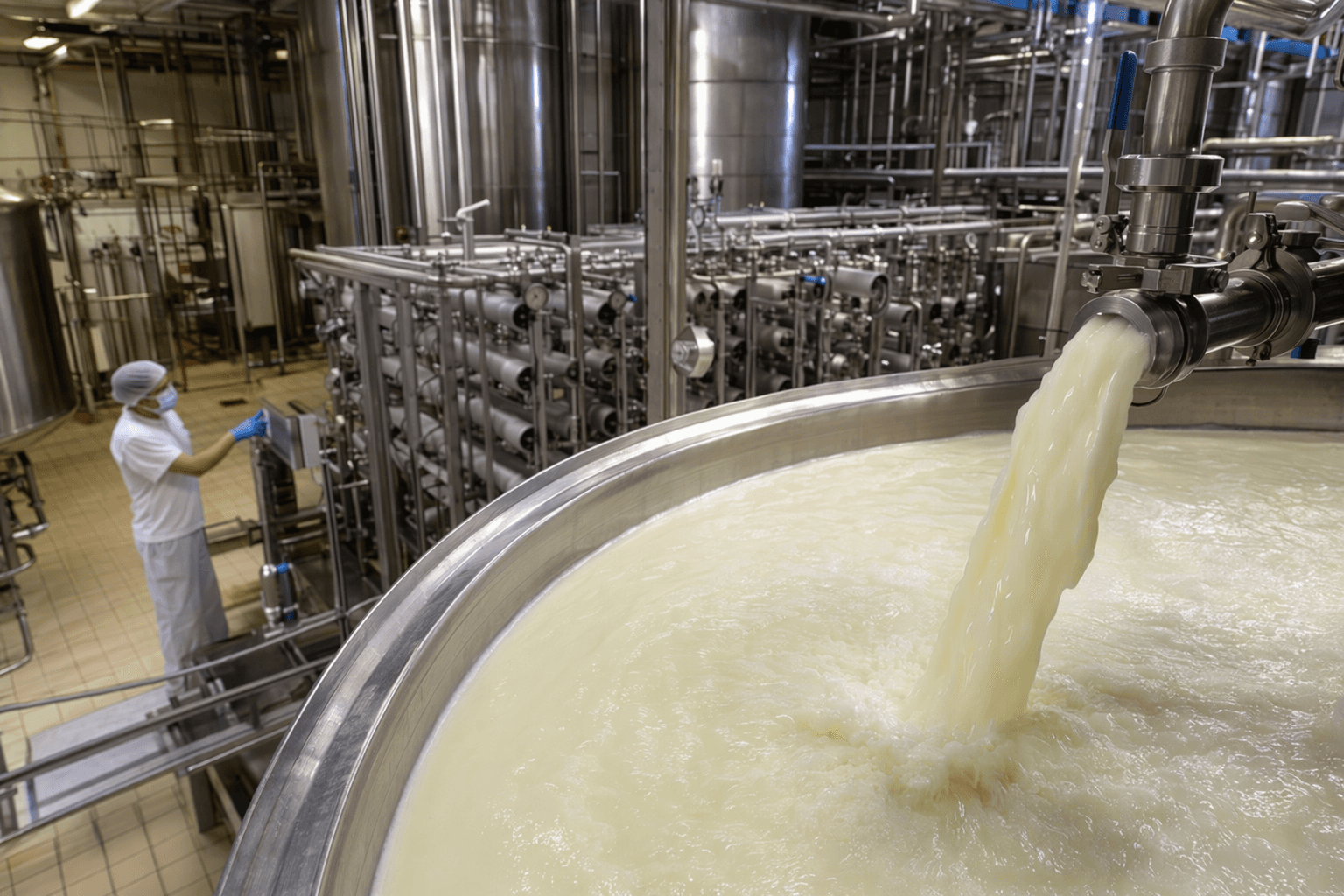
What makes these systems especially valuable is that they are not limited to one output. A well-designed membrane line can recover proteins, minerals, lactose and water, which gives processors multiple paths to value. That flexibility is what turns whey recovery from a simple waste-handling step into a revenue strategy, because the same stream can be divided into ingredients with different end uses and different price points.
How the main recovery methods create value
The value in whey recovery comes from matching the right process to the right output. Protein recovery is usually the headline, since whey proteins carry strong nutritional and functional appeal, but the economics improve when plants also recover lactose, minerals and water. Each fraction that is captured and reused strengthens the business case for the system.
- Proteins can be concentrated into ingredient streams for nutrition products and food applications.
- Minerals can be recovered to add utility from material that might otherwise be lost.
- Lactose provides another commercial stream, especially where downstream ingredient demand is strong.
- Water recovery supports reuse within the plant and lowers the volume that has to be treated or discharged.
The important point is that these are not separate conversations. The highest-value recovery programs are built to maximize total plant output, not just one ingredient. That is why membrane systems are increasingly judged by how much usable material they recover, how consistently they run and how much waste they help eliminate.
Sustainability is now part of the business case
The sustainability angle is not a side benefit. It is part of the core investment logic. When a processor can recover more material from whey and reuse water within the plant, the amount of wastewater burden falls, and so do the costs and complexity tied to waste management. In a sector where processors are being asked to do more with less, that combination is especially compelling.
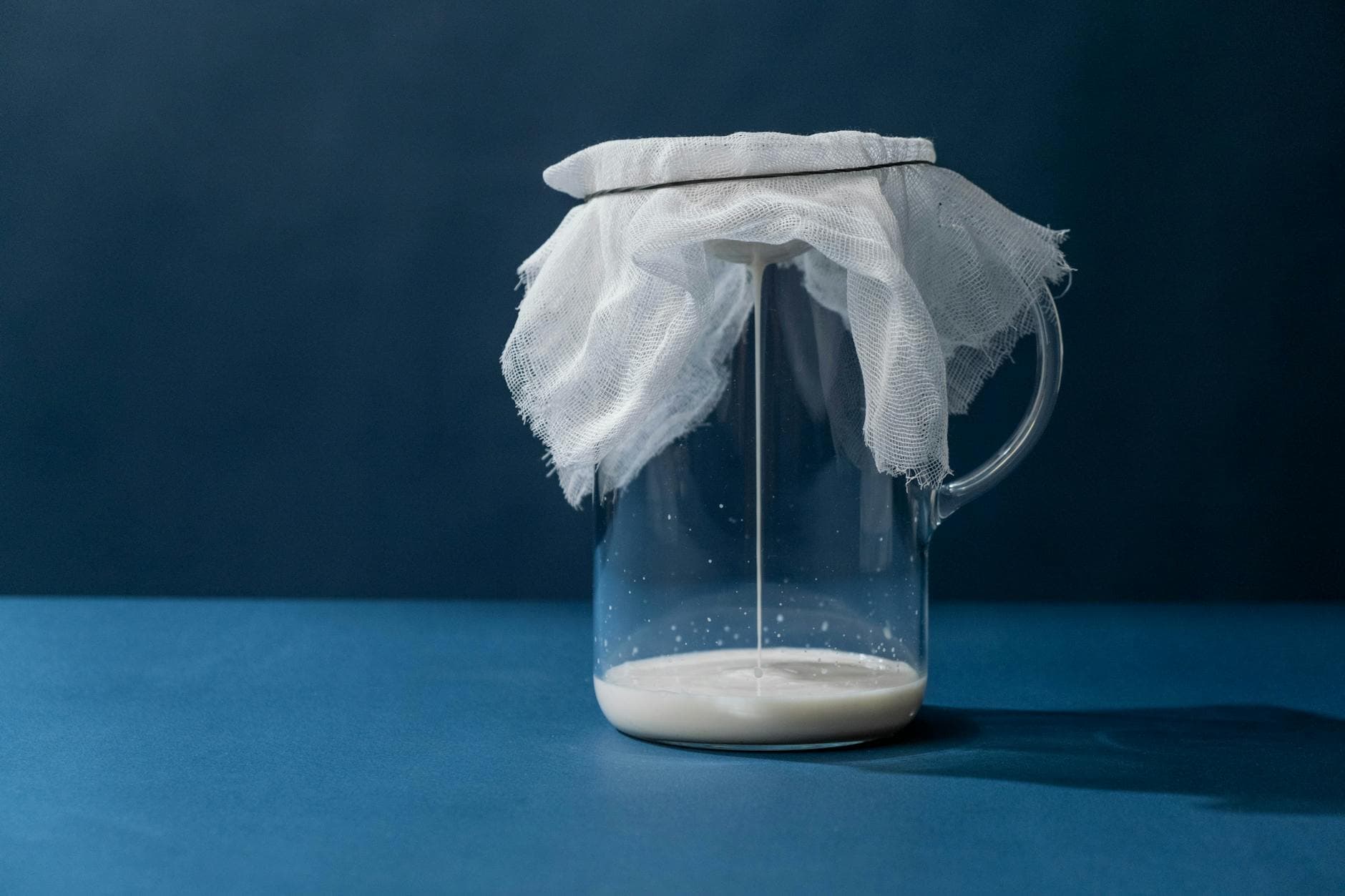
This is where membrane technology has become more than a process upgrade. It is a way to align ingredient economics with environmental performance. Plants that improve separation efficiency are not only generating higher-value outputs, they are also reducing the amount of material that needs to be treated as waste. That makes whey recovery one of the clearest examples of how sustainability and margin improvement can reinforce each other instead of competing.
What processors need to optimize
The article’s central lesson is that value comes from system design, not from any single machine. A plant that wants to turn whey into a strategic protein stream has to think about yield, purity, reuse and waste reduction together. Microfiltration, ultrafiltration and diafiltration each have a role, but the best results come when they are integrated into a recovery strategy built around the plant’s economics.
In that kind of setup, the goal is not simply to extract something from whey. It is to create a higher-value ingredient portfolio while lowering the plant’s environmental load. That is why investment in membrane technology is increasingly tied to long-term competitiveness. As protein demand continues to rise, processors that can recover more from whey will be better positioned to capture margin from a stream that once sat near the bottom of the ledger.
The bigger picture for dairy processing
Whey’s rise reflects a larger change in dairy manufacturing. The industry is moving away from a waste-first mindset and toward a resource-optimization model, where side streams are treated as assets to be mined for protein, minerals and other recoverable value. That is especially important now, when nutritional demand and sustainability pressure are both intensifying.
The result is a new definition of efficiency. In the modern dairy plant, efficiency is not just about throughput. It is about how much value can be recovered from every stream, how much water can be reused, and how much waste can be avoided before it ever reaches the end of the pipe. Whey sits at the center of that shift, and the processors who treat it that way are likely to see the strongest payoff.
Know something we missed? Have a correction or additional information?
Submit a Tip