Scientists find cockroach crystals packed with complete nutrition
A cockroach species makes protein crystals with all nine essential amino acids, fats and sugars, but turning that biology into food is another matter.
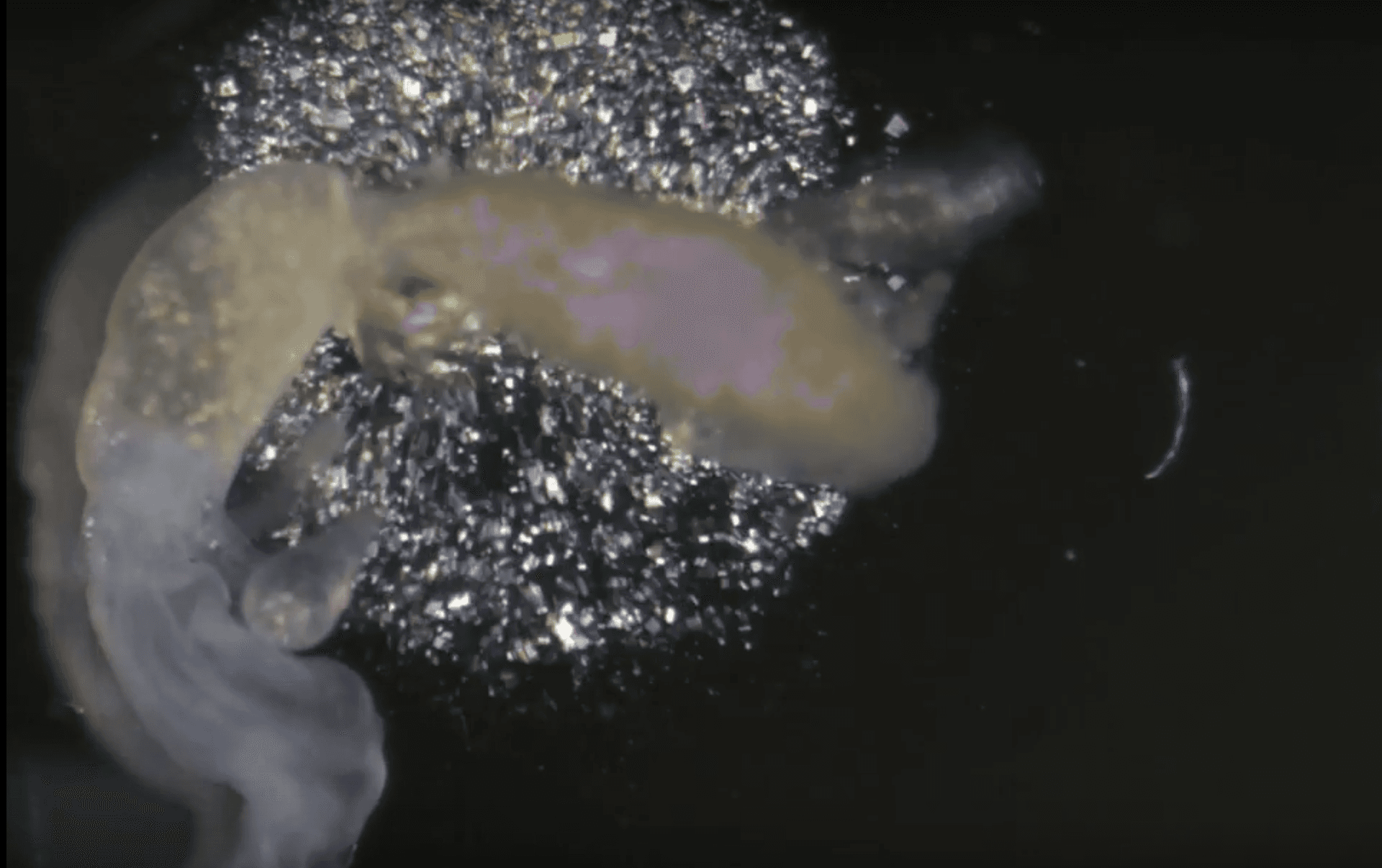
In Diploptera punctata, the only known viviparous cockroach, embryos are fed with protein crystals so dense that one crystal was estimated to pack more than three times the energy of an equal mass of dairy milk. The finding turned a midgut curiosity into a serious discussion about high-density nutrition, but it also exposed how far this biology sits from anything that could be sold at scale.
The crystals were reported online June 27, 2016 in IUCrJ, after an international team led by Sanchari Banerjee, Nathan P. Coussens, François-Xavier Gallat, Nitish Sathyanarayanan, Jandhyam Srikanth, Koichiro J. Yagi, James S. S. Gray, Stephen S. Tobe, Barbara Stay, Leonard M. G. Chavas, and Subramanian Ramaswamy solved an atomic-resolution 1.2 Å structure. They isolated the material from embryos of D. punctata and identified the crystals as glycosylated lipocalin proteins that bind lipids. The structure showed a natural delivery system built for survival, not a novelty snack.
That is what makes the biology so striking. D. punctata carries developing embryos in a brood sac that functions like both a uterus and a placenta, supplying a nutritive secretion to the intrauterine young. A 2020 review reinforced that view, describing the brood sac as a protective feeding chamber for embryos. The crystals themselves were not uniform: the paper described them as heterogeneous in amino-acid sequence, glycosylation, and bound fatty-acid composition, a reminder that nature does not always package protein in tidy industrial form.
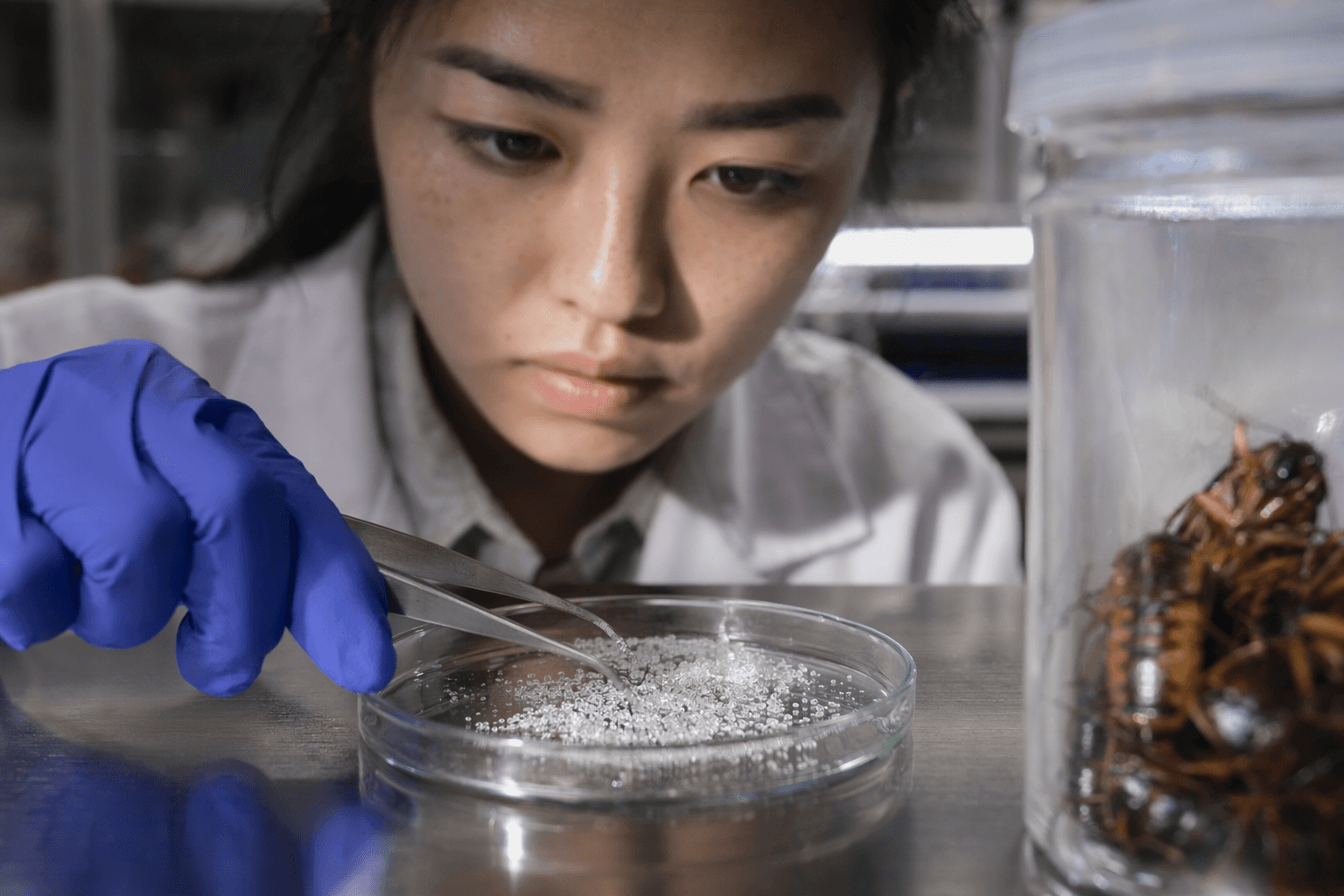
The commercial reality is much less glamorous. Direct collection from cockroaches is labor-intensive, the food is not commercially available, and consumer acceptance would be a steep climb even before questions of production cost, safety review, and regulatory approval enter the picture. The work is best understood less as a menu item in waiting than as a proof of concept for unusual protein architectures that concentrate energy and extend release over time.
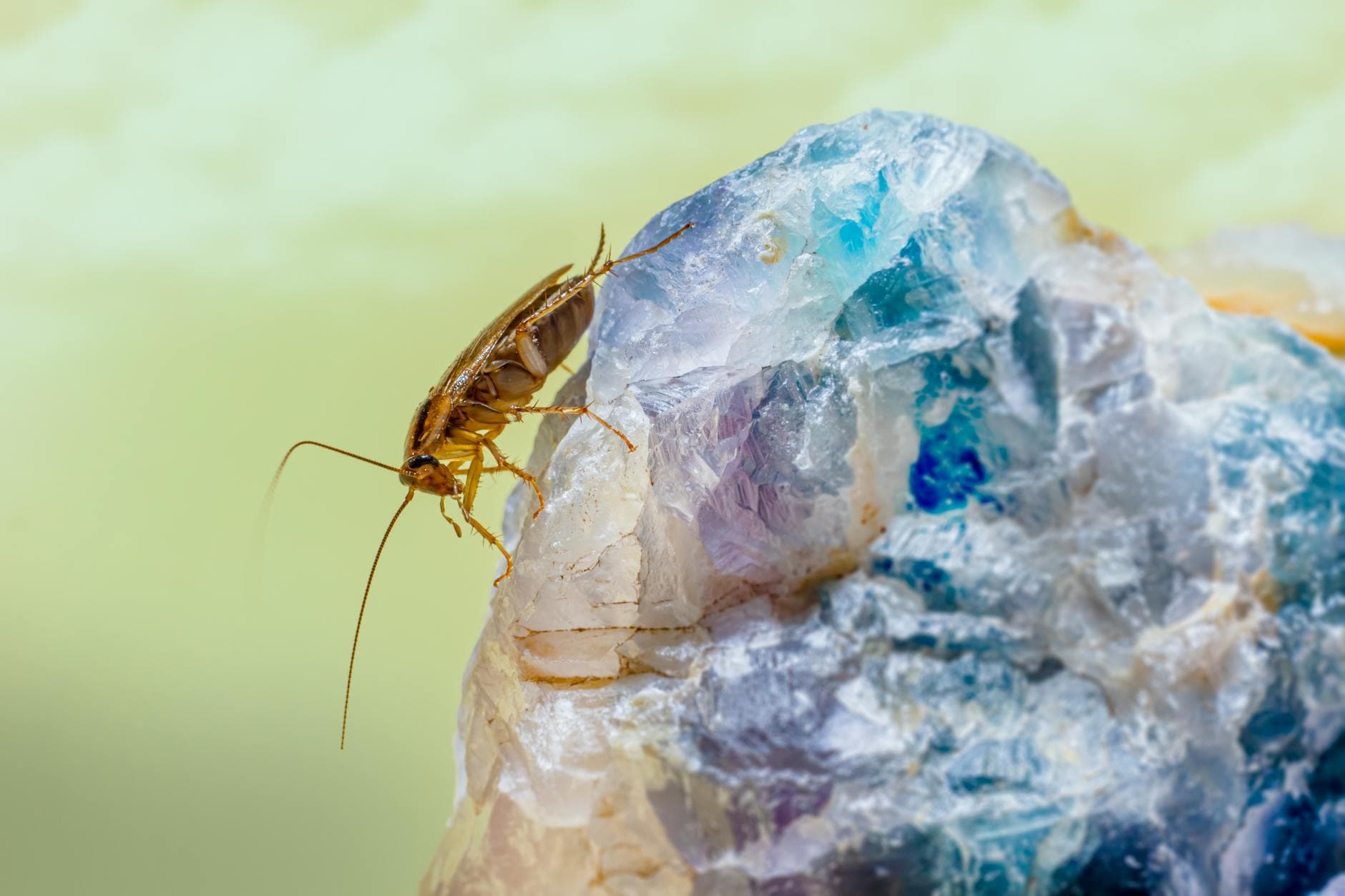
Later studies sharpened that picture. In 2023, PLOS One reported that the embryo-harvested crystals are made of three proteins called Lili-Mips, with all isoforms binding different fatty acids with similar affinities. The same study found thermostability was highest at acidic pH and dropped as conditions moved toward neutral, fitting the acidic environment of the embryo gut. Researchers have also explored recombinant expression in Saccharomyces cerevisiae, a more plausible route if the goal is future protein design rather than harvesting from insects. The real prize may not be cockroach milk itself, but the blueprint it offers for building denser, more functional proteins from scratch.
Know something we missed? Have a correction or additional information?
Submit a Tip