Zurich startup SentiaNova unveils neutral-tasting pea protein technology
SentiaNova says it can strip pea protein's bitterness and earthiness, with samples out now and commercial volumes due in the fourth quarter.
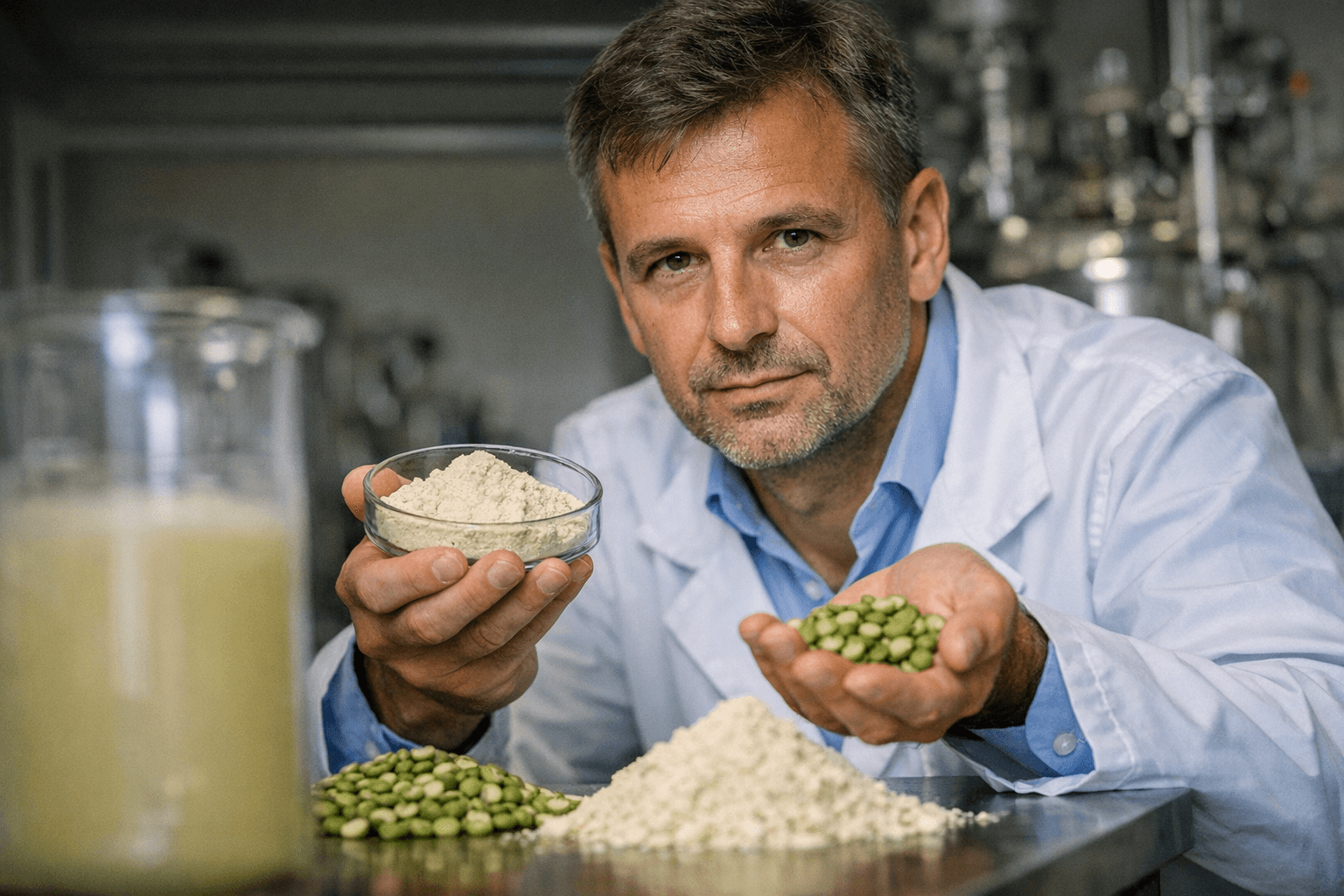
A Zurich startup is betting that the next breakthrough in plant protein will not come from higher protein counts or cleaner labels, but from something far more basic: taste. SentiaNova emerged from stealth with a patented approach meant to remove the off-flavors that have long held pea and other pulse proteins back, and the company says samples of its neutral-tasting pea protein concentrate are already available.
That is the real pressure point for plant protein adoption. Bitter notes, earthiness and a lingering aftertaste have forced formulators to lean on sweeteners, flavors and other masking tools just to make beverages, shakes and snacks palatable. SentiaNova’s pitch is different. Instead of covering up the problem, it claims to neutralize the taste at the ingredient level, a move that could give brands more room to build cleaner, simpler formulations without fighting the raw material in every draft.
The company says commercial volumes of the concentrate are expected in the fourth quarter, with isolates to follow later. That timeline matters because it shifts the story from lab promise toward something the market can actually test in finished products. If the ingredient performs at scale, it could become a more practical option for dairy alternatives, high-protein drinks and snack applications where flavor tolerance is unforgiving and repeat purchases depend on a product tasting less like a compromise.
SentiaNova’s approach also reflects a broader change in plant protein development. Sustainability messaging still matters, but the category is increasingly being judged on sensory performance and functionality. For beverage, nutrition and dairy-alternative makers, a neutral-tasting ingredient can lower formulation complexity, reduce dependence on masking systems and help finished products feel more premium. In a market crowded with protein claims, that kind of improvement may prove more commercially useful than another incremental boost in grams per serving.
The bigger question now is whether SentiaNova’s technology can move beyond a promising sample and become a meaningful supply option for manufacturers. If it does, the company will have tackled one of the most stubborn barriers in plant protein, and could help push pea protein into mainstream products that finally taste like they belong there.
This article was produced by Prism’s automated news system from verified source data, official records, and press releases, then run through automated quality and moderation checks before publishing. The system is built and supervised by the people who set the standards it runs under. Read our full AI policy.
Did this article answer your question?