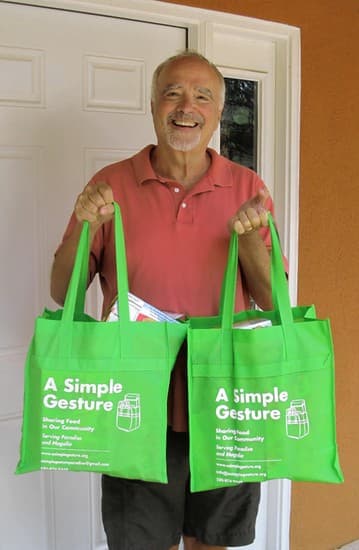
A Simple Gesture builds volunteer loyalty through recognition and clear boundaries
Volunteers stay longer when A Simple Gesture treats praise and problem-solving as part of the job, not an afterthought. Clear recognition and fast conflict handling turn retention into mission capacity.

A Simple Gesture does not lose volunteers only when someone quits loudly. It loses them after a thankless shift, after a confusing dispute, or after tension sits unresolved long enough to make the next route feel optional. That is why recognition and conflict handling need to function as operating rules, not polite extras, in a food recovery program where people work in garages, driveways, pantries, and community spaces under time pressure.
Recognition has to be built into the work
Points of Light makes the case that volunteer recognition works best when it is woven through the whole experience, not saved for an occasional thank-you. The organization says appreciation should be embedded throughout engagement because it builds belonging and helps sustain impact over time. Its research also points to a clear pattern: volunteers are more satisfied when they feel recognized, when they are part of a culture of respect and trust, and when they feel they belong.
For A Simple Gesture, that means recognition should be tied to what a volunteer actually did, not to a generic compliment. Telling someone exactly how many households were served because of their route, or how their pickup kept food out of the waste stream that day, gives the work a visible result. That kind of feedback matters because volunteer drivers and sorters are not just donating time, they are helping move food from porches and donation bags into pantry partnerships that expand community reach.
The most effective recognition is also the most specific. A coordinator who says, “Your route helped keep three pantry partners stocked this week,” or “That pickup saved food that would have been discarded,” gives a volunteer proof that their effort changed the day. That proof is what turns a routine shift into a reason to come back.
Boundaries protect the team, not just the brand
Recognition alone will not hold a volunteer base together if people do not know what happens when a shift goes badly. Points of Light’s volunteer management guidance is blunt about the reality: conflict will happen, and leaders need to assign volunteers to the right tasks, talk professionally about problems, document incidents, and consult supervisors when needed. In other words, the answer to friction is not improvisation. It is a fair process.
That lines up with EEOC guidance, which says prevention is the best tool to eliminate harassment and that employers should have clear complaint channels and respond promptly. For a food recovery nonprofit, those ideas matter even when the stakes look smaller than a corporate workplace. A late arrival, a volunteer who disrupts another team member, or behavior that makes the environment uncomfortable can quickly undermine trust if no one knows how to respond.
The practical lesson is simple: clear boundaries reduce manager headaches. Coordinators should not have to make a new judgment call every time someone misses a pickup window or crosses a line. When volunteers know expectations in advance, and know that problems will be handled quickly and respectfully, the organization becomes easier to trust and easier to staff.
Where organizations lose people, and how to stop it
The first danger point is the thankless shift. Volunteers who do the work, load bags, or cover a route and then hear nothing concrete can start to feel replaceable. Recognition prevents that by making the impact visible in the moment, not weeks later in a generic email.
The second danger point is the confusing dispute. If one volunteer is told to shrug off a problem while another is disciplined for the same behavior, the team reads that as unfairness. Clear task assignment, professional conversations, and documentation keep the response consistent so people do not feel singled out or left guessing.
The third danger point is unresolved tension. In a program that depends on reliability, small frustrations can snowball into drop-off if no one addresses them. A prompt, respectful response keeps a bad interaction from becoming a reason to stop volunteering altogether.
A Simple Gesture’s volunteer system works best when it treats those moments as part of retention strategy, not side issues. The organization is not only trying to keep goodwill high. It is trying to keep routes covered, pickups on schedule, and pantry partners supplied without forcing coordinators to spend their time repairing preventable damage.
What this looks like on a route, in a driveway, or at a pantry
The strongest systems are the ones volunteers can feel immediately. A coordinator who greets people warmly, explains the assignment clearly, and closes the loop after the shift is already doing retention work. So is a team lead who notices when a pickup was smooth, names the contribution, and records a problem before it becomes a pattern.
For A Simple Gesture, the day-to-day playbook can stay straightforward:
- Tell volunteers what success looked like after the shift, using a concrete measure such as households served or food recovered.
- Set the ground rules before the route starts, especially for lateness, communication, and behavior that affects other volunteers.
- Use the same response every time an incident comes up, so volunteers see fairness instead of improvisation.
- Escalate recurring or serious problems to a supervisor quickly, instead of letting resentment build.
- Protect the tone of the worksite, because garages, driveways, and pantry handoffs move fast and leave little room for confusion.
This approach matters because volunteer retention is not only a staffing issue. It is mission capacity. Every volunteer who returns makes route coordination easier, reduces recruiting pressure, and helps food reach more households without adding stress to the people running the program.
The lasting lesson for A Simple Gesture is that gratitude and boundaries belong in the same system. When volunteers feel seen, coached clearly, and protected by a fair process, they are more likely to return, and the organization is more likely to keep the steady, dependable workforce that food recovery depends on.
This article was produced by Prism’s automated news system from verified source data, official records, and press releases, then run through automated quality and moderation checks before publishing. The system is built and supervised by the people who set the standards it runs under. Read our full AI policy.
Did this article answer your question?