Community Food Share vouchers protect dignity and local grocers
A Colorado voucher pilot shows hunger relief works better when families can shop where they already trust, keeping dollars in local grocers and preserving dignity.
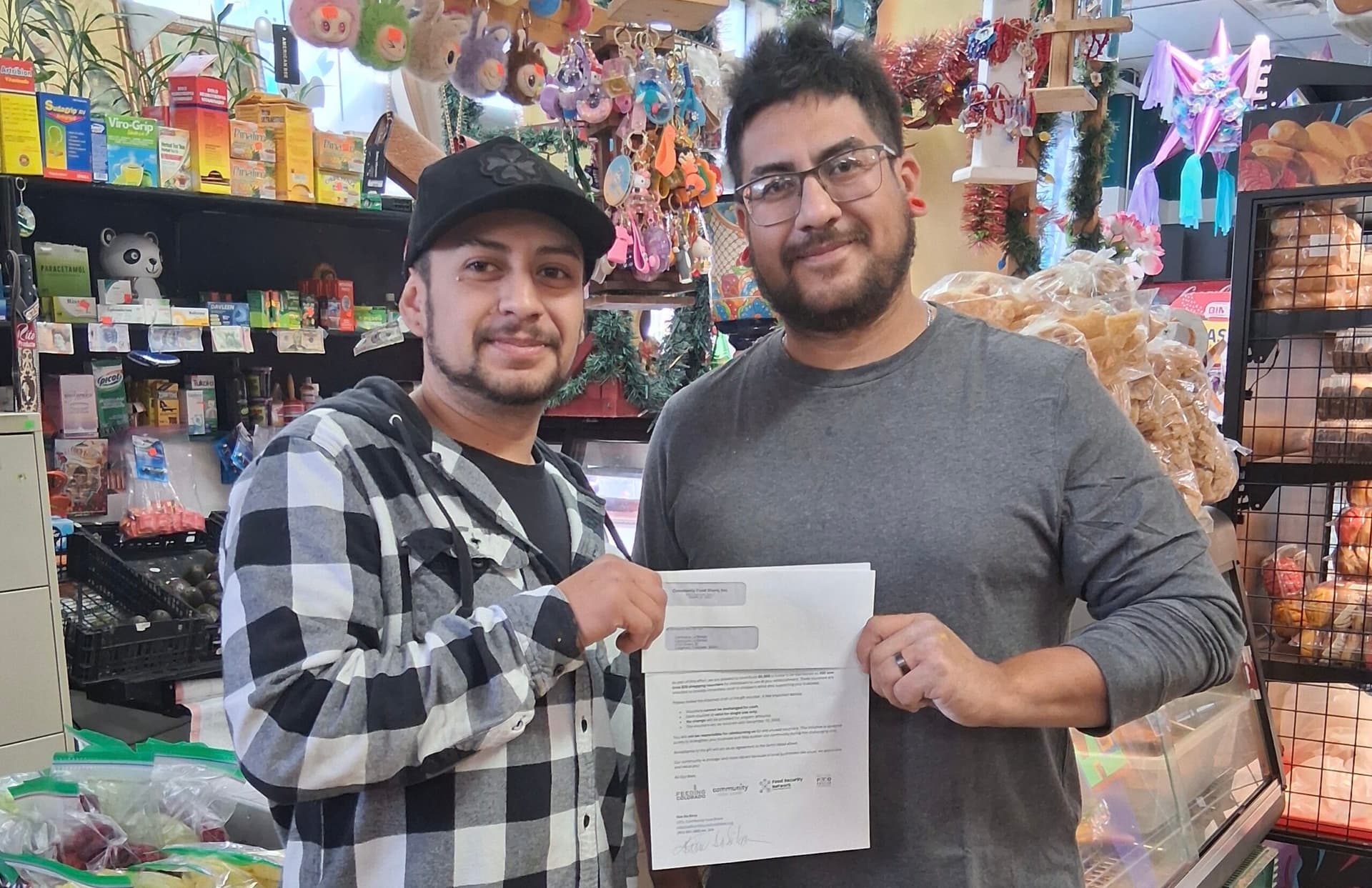
When Community Food Share asked families what would help most, the answer was not more boxed food shipped through the usual channels. It was a way to keep shopping local, especially if SNAP money disappeared and neighborhood grocers selling culturally specific foods were at risk of closing. The result was a $25 paper voucher that let families buy directly from nine local stores, most of them Hispanic and Latin grocers, with virtually all of the 1,800 vouchers redeemed.
Listening before launching
Community Food Share, the Feeding America food bank serving Boulder County and Broomfield County in Colorado, originally began thinking about how to respond to a SNAP suspension. Community members living in low-income, low food-access neighborhoods raised a different concern: losing grocery dollars could damage the stores they already relied on for culturally specific food.
That shift in focus changed the whole design. Instead of buying food elsewhere and sending it through partner agencies, the food bank built a voucher system that preserved choice at the register. Across its programs, 50% of participants identify as Hispanic or Latino and 41% of households primarily speak Spanish, according to Community Food Share.
Why the vouchers worked
The mechanics were deliberately plain. Each voucher was worth $25 and could be used at nine grocers in the region, many of them Hispanic and Latin food stores. The food bank put $45,000 into the pilot and distributed 1,800 vouchers.
It also mattered that the money stayed in local stores. In a place where grocery access and cultural fit are tightly linked, the vouchers preserved dignity, convenience, and the neighborhood commerce that households depend on for staples that may not show up in a standard pantry box. Community Food Share also runs Double Up Food Bucks, which doubles the value of SNAP benefits spent on produce at participating locations.

Why the SNAP context matters
SNAP is the nation’s largest domestic food and nutrition assistance program and served an average of 41.7 million participants per month in fiscal year 2024, according to the USDA Food and Nutrition Service. When that system is disrupted, the effects do not stay abstract. Households lose buying power, and local retailers that depend on those purchases can feel the hit quickly.
That is the part workplace leaders often miss when they default to one-size-fits-all food drives. A cereal-and-can campaign may be easy to organize, but it does not automatically solve the problem families are actually facing. Community Food Share’s voucher model let people shop where they already go, in the language they already use, for the foods they already know how to cook.
What this means for A Simple Gesture
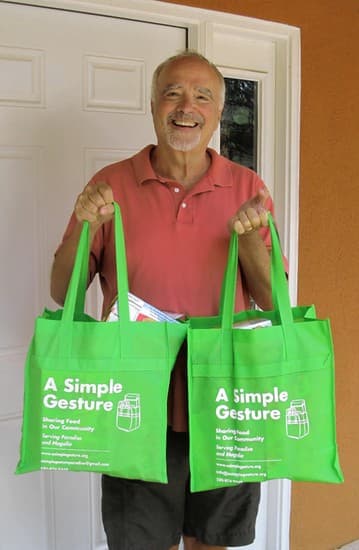
A Simple Gesture calls itself a near zero-cost program and says a one-dollar donation converts to more than $30 of food for food banks and pantries. Its Guilford County operation has been making food donations easy since 2015, and its food recovery model matches businesses such as grocery stores and restaurants with vetted nonprofits. That structure already values coordination, local relationships, and the idea that food recovery should be built around what a community can actually absorb.
The voucher story sharpens the workplace lesson for volunteers, route coordinators, and pantry partners. Before launching a new collection push, ask what families in that area are already telling local agencies, schools, faith leaders, or store owners.
- Which foods are hardest to replace locally
- Which stores do residents trust and already use
- What language access is needed at pickup or redemption points
- Whether transportation, store hours, or stigma are the bigger barrier than supply
Those questions matter in a doorstep donation program because they change where the work lands. A green bag route can be efficient and still miss the mark if it treats every neighborhood the same. A food recovery network can be generous and still underperform if it ignores cultural fit, shopping patterns, or neighborhood grocers.
Why this matters for volunteer recruitment and retention
For A Simple Gesture staff, the practical benefit of this approach is that it makes the mission easier to explain and easier to keep. Volunteers are more likely to stay engaged when they can point to a clear outcome, not just a pile of collected goods. Saying that donations help neighbors keep shopping at familiar local stores, or that recovered food supports vetted nonprofit partners in ways shaped by community input, gives the work a sharper human purpose.
It also gives coordinators a better way to talk about impact with businesses, faith groups, and resident leaders. A grocery store, restaurant, or neighborhood association is more likely to participate when the ask is specific: help us meet the needs this community actually named, rather than help us fill a generic donation goal.
This article was produced by Prism’s automated news system from verified source data, official records, and press releases, then run through automated quality and moderation checks before publishing. The system is built and supervised by the people who set the standards it runs under. Read our full AI policy.
Did this article answer your question?