A Simple Gesture can cut burnout by fixing onboarding gaps
Burnout at A Simple Gesture is often a management failure: if routes, roles, and support are fuzzy before a hire starts, the mission pays for it twice.
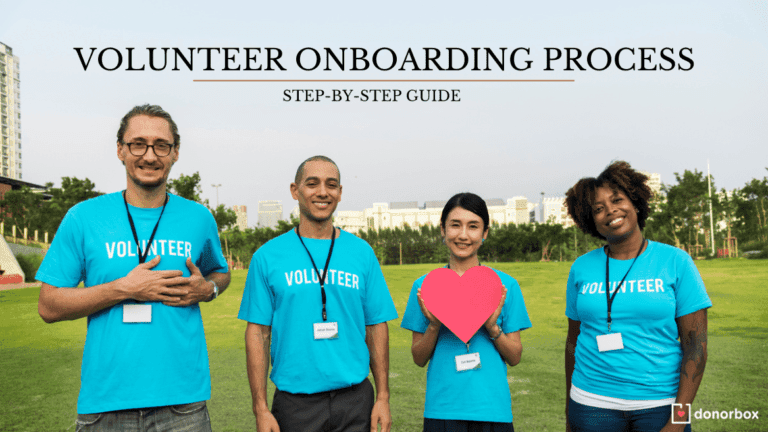
The fastest way to burn out a new hire is to hand them a messy operation and call it onboarding. At A Simple Gesture, that means route coordinators, volunteer leaders, development staff, or chapter support can be set up to fail if the work is vague, the records are incomplete, or no one has cleared the path before they walk in.
Fix the system before the person arrives
The lesson here is not complicated, but it is often ignored: onboarding starts before the first day. If the role is supposed to manage green bag pickup routes, support volunteers, or keep pantry partners in sync, the systems behind that job need to be usable first. Otherwise the new person spends their first months untangling old problems instead of doing the work they were hired to do.
That is where many nonprofits make a costly mistake. They bring in an enthusiastic person, then expect them to absorb broken processes, undocumented routines, and shifting priorities without giving them the authority or tools to stabilize the work. Burnout does not begin with laziness or lack of commitment. It begins when management treats clarity as optional.
Why A Simple Gesture’s scale raises the stakes
A Simple Gesture says it was founded in 2011 and that A Simple Gesture-Guilford County became a 501(c)(3) nonprofit in 2015. Its mission is to provide a sustainable supply of food to local food pantries in Guilford County, collect excess perishable food for local nonprofits and community meals, and support the SHARE program in Guilford County Schools. That is a wide operational footprint for any nonprofit, especially one built around volunteers, neighborhood routes, and partner relationships.
The numbers show why consistency matters. As of December 2025, A Simple Gesture says it had helped donate more than 8,000,000 child-size meals and $13,000,000 worth of donated food. It also reports 75-plus pantry partners, 3,900-plus recurring food donors, and 200 monthly volunteers. When an organization works at that scale, a weak onboarding process is not a minor HR issue. It becomes a service-delivery problem that can ripple across neighborhoods and food pantry shelves.
The broader food-security landscape makes that pressure even harder to ignore. Feeding America estimates that 47,389,000 people in the United States were food insecure in 2023, a rate of 14.3%. It also says more than 80% of counties with the highest child food insecurity rates are rural. In that kind of environment, A Simple Gesture’s local partnerships, donor network, and pickup logistics are not background functions. They are the machinery of the mission.
The six questions managers should answer first
The strongest onboarding advice is really a management checklist. Before a new employee begins, leaders should be able to answer a few basic questions without improvising.
1. Is the program actually functional?
If volunteer lists are messy, pickup routes are undocumented, donor records are incomplete, or task handoffs happen ad hoc, the problem is not the new hire. The program itself is not ready. A Simple Gesture’s route coordination and food recovery work depend on dependable systems, not heroic memory.
2. How will the manager help the new person succeed?
A good onboarding plan makes the manager visible, available, and responsible. That means regular check-ins, clear guidance, and enough oversight to catch confusion early. In mission-driven organizations, too many managers assume passion will replace supervision. It will not.
3. Does the job match the description?
New hires lose trust quickly when the actual workload bears little resemblance to what they were told. If one person is expected to coordinate volunteers, manage chapter support, fix data gaps, and answer partner questions, that scope should be named honestly before the offer is accepted. Otherwise the role becomes a moving target.
4. Does the person have access to the information they need?
This is more than handing over a password or a binder. A new employee needs route details, contact lists, pantry partner expectations, volunteer scheduling practices, and a sense of who owns what. Without that, even capable staff spend their days asking for basics that should have been ready on day one.
5. Are unhealthy internal dynamics being kept away from the new hire?
If a workplace is constantly reassigning tasks, handling conflict by silence, or normalizing last-minute chaos, the new person absorbs that culture immediately. Managers cannot claim to be building a healthy team while asking someone new to navigate avoidable dysfunction without support.
6. How will success be measured in the first months?
People do better when they know what good looks like. For A Simple Gesture, that could mean steadier route coverage, cleaner volunteer communication, stronger pantry follow-through, or better donor retention. If success is never defined, the new hire is left guessing, and guessing is a fast path to frustration.
Volunteer work needs the same clarity
A Simple Gesture’s food-recovery operation shows how specific the expectations already are when the system is designed well. Volunteers as weekday drivers must be 18 or older, use a smartphone, use a clean personal car for pickups and deliveries, be able to lift 20-pound boxes, and wear closed-toe shoes. That kind of specificity is not red tape. It is respect for the work and for the people doing it.
The same principle should apply to volunteer leaders and staff. Standardized training, role descriptions, and clear escalation paths help retention because they reduce confusion before it becomes resentment. In a nonprofit that depends on neighborhood trust, small operational sloppiness can quickly turn into volunteer churn, missed pickups, and weaker relationships with pantry partners.
That is why onboarding is not a paperwork exercise. It is the place where management decides whether a person will be supported or swallowed by the job. If A Simple Gesture wants to keep good people, it has to prepare the route, the records, the relationships, and the expectations before the new person walks through the door. That is how a mission stays strong without burning out the people asked to carry it.
This article was produced by Prism’s automated news system from verified source data, official records, and press releases, then run through automated quality and moderation checks before publishing. The system is built and supervised by the people who set the standards it runs under. Read our full AI policy.
Did this article answer your question?