A Simple Gesture can scale food recovery with apps and farm partnerships
A simple gesture can grow by copying the tools that cut friction: pickup apps, farm recovery, and nutrition standards that make every pound easier to move and explain.
The next scaling step for A Simple Gesture is not a bigger warehouse. It is a tighter operating system: better pickup matching, stronger farm recovery, and nutrition standards that help volunteers and pantry partners trust the food coming through the door. A June 7 analysis of The Global FoodBanking Network makes the case clearly: the hunger systems growing fastest are the ones turning food recovery into logistics, data, and quality control.
The scaling bet is coordination, not capital
In 2023, 54 Global FoodBanking Network members distributed the equivalent of 1.7 billion meals, up 25% from the year before, while food moving through app-based systems rose from 5% of total distribution to 11%. That is the clearest signal for A Simple Gesture staff who spend their days matching donated food to pickup routes and pantry needs. Technology is not replacing field work; it is cutting the dead time between a donor’s yes and a volunteer’s arrival.
Lisa Moon says app-based systems could eventually handle 30% of total distribution. That matters because it shows the model is moving from experiment to infrastructure. Tools similar to Feeding America’s MealConnect let restaurants and grocers post available food without forcing food banks to buy fleets or warehouses they do not need. For a chapter-based program like A Simple Gesture, the operational problem is route uncertainty: pickups change, donor volume swings, and volunteer schedules are rarely neat. An app with pickup schedules and route tags solves that by turning a noisy volunteer calendar into something coordinators can actually dispatch.
Farm recovery turns surplus into dependable fresh food
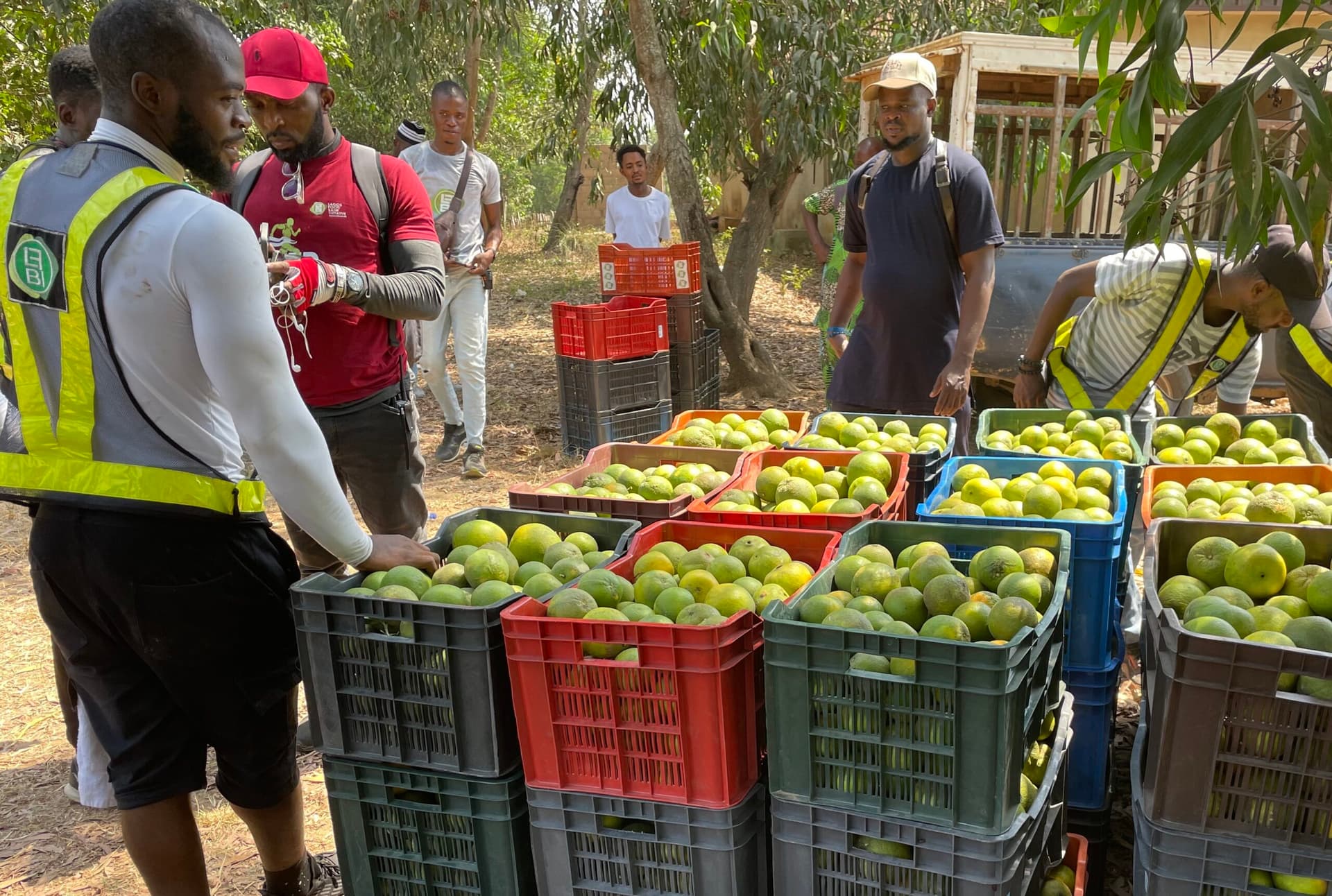
Agricultural recovery is the other system worth copying. Global food banks recovered nearly 147 million kilograms from agriculture in 2024, more than double five years earlier, and 35 food banks, or 65% of the network, now run agricultural recovery programs. The network also says it created an Agricultural Recovery Hub to help food banks source fruits and vegetables from farms, packhouses, and markets, which solves a problem local partners know well: fresh produce is abundant in the field but fragile in transit.
If the partnership is set up correctly, the food bank does not need to chase every one-off surplus. It can build a repeatable intake channel around harvest windows, packing capacity, and cold storage. That is why farm recovery is such a strong transfer point for A Simple Gesture: it extends the same low-friction logic that makes doorstep bag pickup work. The organization does not have to invent a separate mission. It has to make sure the next layer of supply arrives in a form its volunteers and pantry partners can use.
A case study from It Rains Food Bank of Ethiopia shows how much that can matter. The food bank recovered 60,000 kilograms of fresh fruits and vegetables in 2024 and increased distribution by 60% year on year. That is a striking example of what happens when recovery is built as a system instead of a scramble for leftovers: more volume, better quality, and a stronger case for every hour spent coordinating the work.
Nutrition is the trust multiplier
In 2024, GFN members distributed 762 million kilograms of food and grocery products to 38 million people across 46 countries, and 58% of that food was classified as highly nutritious. In the earlier analysis, fresh produce was the largest category, and when grains, nuts, and dairy were added in, the share of nutritious food approached 60%. That matters for A Simple Gesture because quality is easier to explain than raw tonnage. Volunteers are more likely to stay engaged when they can see that the bag they pick up becomes produce, grains, dairy, and other foods pantry partners can move quickly.
GFN’s operating model reinforces that point. Member food banks do this work through agricultural recovery programs, on-staff nutritionists, workshops and cooking classes, infrastructure investments like cold storage, and school meal programs. That mix shows that food recovery is not only about volume. It is about matching what comes in with what people can actually use, then making sure the food is still fresh enough to be worth the trip.
For A Simple Gesture, that is a practical lesson in retention as much as outreach. Volunteers and donors are easier to recruit when the mission feels concrete, and easier to keep when the organization can say exactly what the effort produced. A route driver who knows a pickup became fresh produce for a pantry partner is doing more than moving bags. That person is helping build trust in the system.
What A Simple Gesture can borrow now
A Simple Gesture already has the bones of a low-friction system. It says it is a near zero-cost program, and that a $1 donation converts to more than $30 of food for food banks and pantries. It also says more than 1,700 food donors and volunteer drivers collect over 132,000 pounds of food each year, and more than 65 communities have adopted the model. Those are not just fundraising lines. They are evidence that the model already works when the logistics are simple enough for ordinary people to join in.
The history page sets an ambitious next step: 900 new chapters by the end of 2035, with a goal of 450 million pounds of food. Hitting that number will depend less on splashy expansion than on removing friction from the daily workflow. That means clearer pantry partnerships, better route intelligence, stronger donor apps, and farm links that keep the quality high enough to move quickly once food is recovered.
The global lesson is blunt. The organizations that scale are the ones that make each handoff easier, from donor app to truck route to pantry shelf. For A Simple Gesture, that is the path to more chapters, more retention, and more food that is still worth giving.
This article was produced by Prism’s automated news system from verified source data, official records, and press releases, then run through automated quality and moderation checks before publishing. The system is built and supervised by the people who set the standards it runs under. Read our full AI policy.
Know something we missed? Have a correction or additional information?
Submit a Tip