Nonprofits warned to treat volunteers carefully, laws still apply
Volunteer goodwill is not a substitute for policy: A Simple Gesture’s scale shows why role design, training, and insurance matter when neighborhood help becomes infrastructure.
Volunteers can keep a neighborhood food network moving, but only if the organization treats that work like real operational labor. For A Simple Gesture, where green bag pickups, food recovery runs, and school refrigerator support all depend on community help, the difference between a warm culture and a workable system is clear roles, supervision, and legal safeguards.
When volunteer energy turns into operational risk
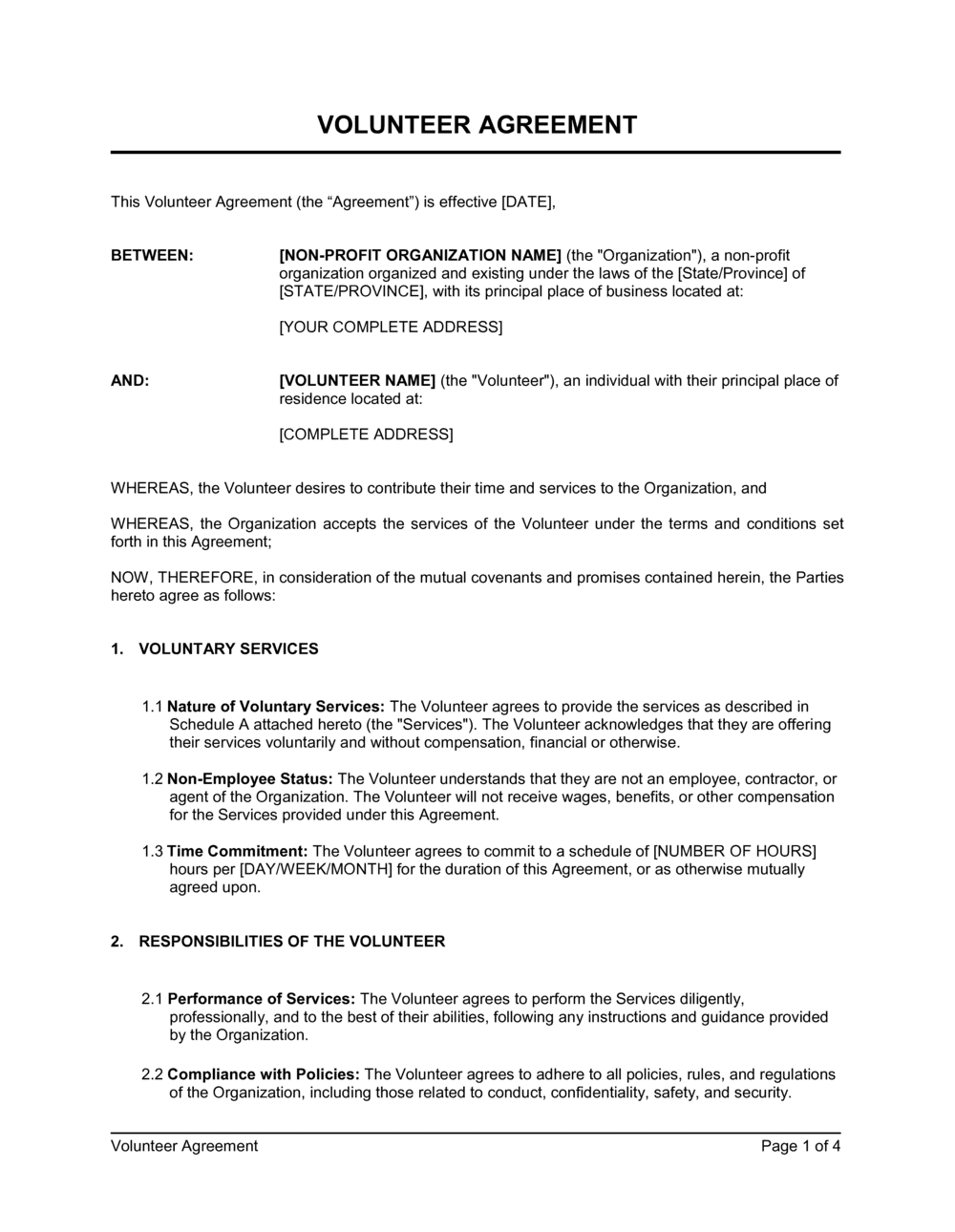
The National Council of Nonprofits makes a point that every volunteer coordinator should keep close: even a small amount of compensation can turn a volunteer into an employee in the eyes of the law. That is why reimbursement policies, role design, and how rewards are structured matter so much, especially in organizations that lean on neighborhood participation rather than a small core of paid staff.
The same guidance warns that in many states volunteers are not covered by workers’ compensation insurance. Some nonprofits respond by buying volunteer accident insurance, a move that protects both the organization and the people doing the work. The practical lesson is simple: when volunteers are handling food pickups, sorting donations, or moving between sites, informal goodwill is not enough to manage injury, liability, or confusion over who is covered if something goes wrong.
Respect is a management tool, not a slogan
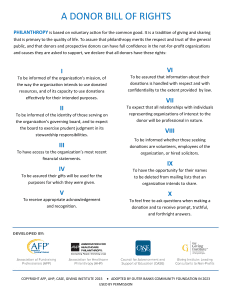
The council’s advice goes beyond legal caution. It says volunteers should be treated with respect, trained as needed, supervised, and given feedback and rewarding experiences. That is not just about morale. In a nonprofit that depends on repeat participation, volunteer retention is part of the operating model, and respect is one of the easiest ways to keep people coming back.
It also matters that volunteer programs are not one-size-fits-all. The council notes that some organizations rely on only a handful of volunteers, while others depend on hundreds each day. The size of the volunteer program should match the level of reliance, which is a useful way to think about A Simple Gesture’s green bag model, where distributed household participation and route coordination create a very different management burden than a small event-based volunteer pool.
What the IRS and tax rules mean in practice
One of the most common misconceptions among new supporters is that volunteer time can be treated like a charitable deduction. It cannot. The National Council of Nonprofits says volunteers cannot claim a tax deduction for their time or the value of their professional services, even when those services are highly skilled.
The IRS adds another key point for nonprofits that track contributions and public support: volunteer time should not be reported as revenues or contributions on Form 990, Schedule A, or Schedule M. It may, however, be described in program-accomplishment reporting. For staff and board members, that distinction matters because it keeps the organization from overstating financial support while still recognizing the real value volunteers bring to service delivery.
Why the rules matter at A Simple Gesture
A Simple Gesture-Guilford County is built around volunteer reach. The organization says it has operated since 2015 and runs three core programs: Green Bag Food Donor, Food Recovery, and SHARE school refrigerators. Its mission is to provide a sustainable supply of food to local food pantries in Guilford County, collect excess perishable food for local nonprofits and community meals, and support the SHARE program in Guilford County Schools.
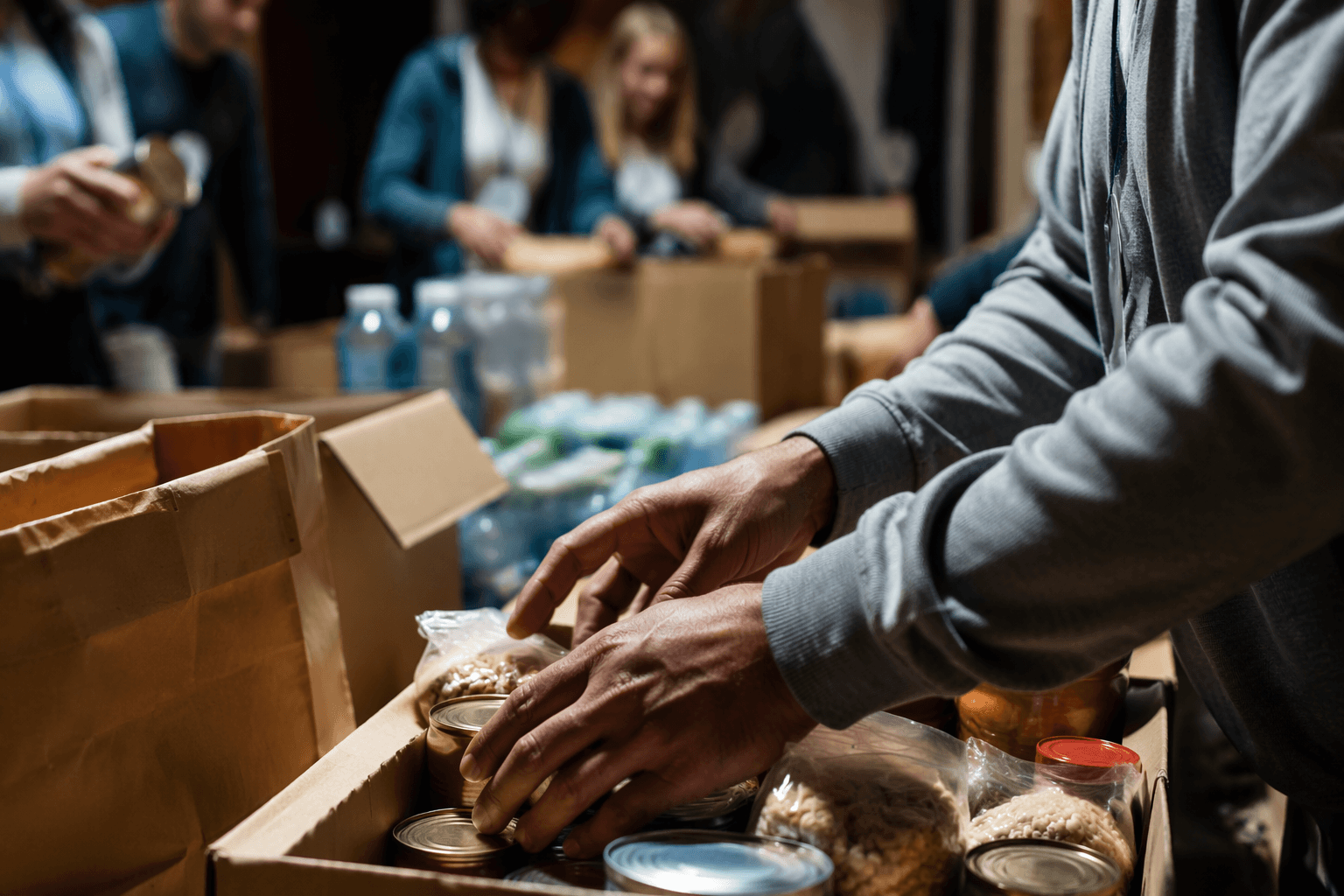
That makes volunteer management central to the mission, not secondary to it. The organization says it partners with dozens of local food pantries and food-recovery partners, which means pickup schedules, handling instructions, and handoffs are part of daily operations. Its volunteer page says people can sign up as volunteer drivers for Green Bag and Food Recovery pickups, with other roles including bag sorting and folding, special projects, and helping recruit donors. Each of those roles carries different expectations, and each needs a clear scope.
From a door-step bag to a countywide system
A Simple Gesture’s green bag model looks simple on the surface. Donors leave reusable bags on their doorstep, and volunteers collect them. But the reach of the system is much larger than that image suggests. The organization’s materials say the food recovery program rescues surplus food from businesses and vetted nonprofits, while the green bag and school refrigerator work extends food access through households, institutions, and community partners.
That scale helps explain why process matters. A 2018 report said A Simple Gesture was typically collecting roughly 20,000 to 25,000 pounds of food per month from more than 3,000 participating businesses and homes. More recent reporting said the countywide effort had helped donate more than 8,000,000 child-size meals and $13,000,000 in food value by December 2025. A volunteer system supporting that level of activity cannot run on loose expectations alone.
The organization’s roots also show how a local volunteer concept can grow into infrastructure. Its published materials say the model started in 2011, the Guilford County chapter was established as a 501(c)(3) in 2015, and founders Jonathan and Karen Trivers launched the concept in Paradise, California. That history matters because it shows the difference between a neighborhood idea and a nonprofit operation with legal, logistical, and partnership obligations.
The need in Guilford County is large enough to demand discipline
The reason this work matters is visible in the county’s food-security numbers. Guilford County’s food insecurity rate was 15.2% in 2023, equal to 82,510 food-insecure residents. The child food insecurity rate was 22.5%, equal to 27,110 food-insecure children. Those figures are not background noise; they are the pressure behind the volunteer system.
When a community food network is serving that many people, the nonprofit has to think like an operator. Volunteer drivers need route clarity. Bag sorting and folding need workflow. Special projects need supervision. Donor recruitment needs consistency so the pipeline does not collapse when enthusiasm fades. In a county where the need is documented and the network is wide, safe volunteer practice is part of service continuity.
What competent organizations put in place before problems start
The lesson for A Simple Gesture and similar nonprofits is not to pull back from volunteerism. It is to professionalize it enough to protect both the mission and the people doing the work. That means written role descriptions, a clear reimbursement policy, and a decision on whether volunteer accident insurance is needed. It also means training, supervision, and feedback are not optional extras but the basic tools of a healthy program.
It also means treating the volunteer program as a real part of the organization’s operating structure. If the nonprofit depends on volunteers for food pickup, sorting, donor outreach, and school-related support, then volunteer oversight should be sized to that reality. The strongest programs are not the ones with the most enthusiasm at the start. They are the ones that understand where informal “all hands” culture breaks down, and build the guardrails before it does.
This article was produced by Prism’s automated news system from verified source data, official records, and press releases, then run through automated quality and moderation checks before publishing. The system is built and supervised by the people who set the standards it runs under. Read our full AI policy.
Know something we missed? Have a correction or additional information?
Submit a Tip