Oregon Food Bank leader says hunger is a policy choice
Oregon Food Bank is reframing hunger as a policy problem, and that shift changes how A Simple Gesture should talk to volunteers, donors, and pantry partners.
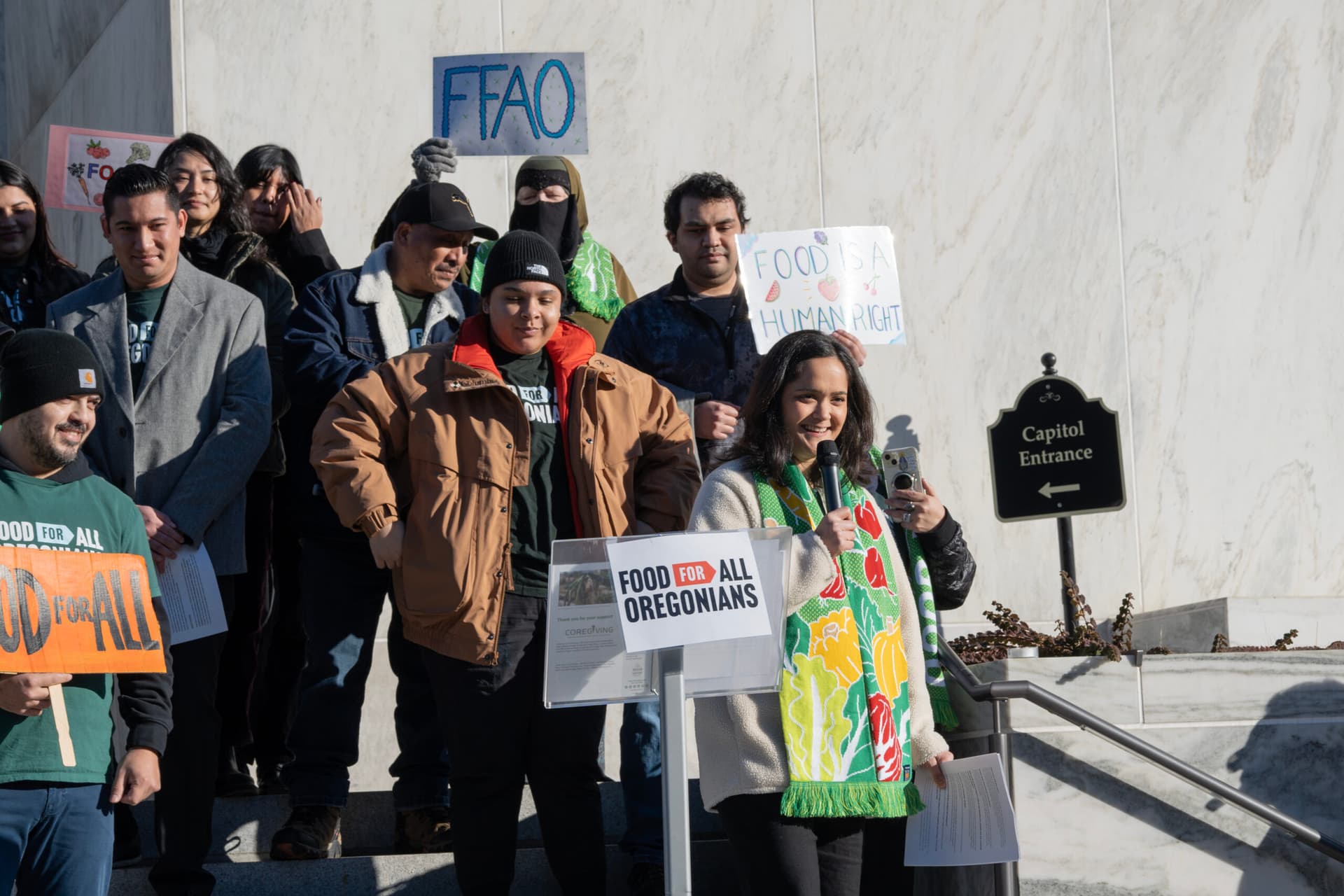
Andrea Williams is pushing the hunger sector to stop treating food insecurity as a simple matter of charity. In her view, the familiar story of empty shelves and generous volunteers leaves out the real reasons families struggle, and those missing pieces shape the kind of help communities end up building. For A Simple Gesture, that matters because your green bag program is not just moving food, it is translating a much bigger crisis into a local act of recovery and redistribution.
Williams grounds that argument in family history. She says her great-grandmother Francisca spent her life growing food but still sometimes went to bed hungry, a reminder that hard work does not guarantee access to food. The point is not sentimentality. It is power: who gets enough to eat, whose labor is valued, and whose needs are treated as solvable.
The new frame: hunger as policy and power
Oregon Food Bank has been making the argument more directly: hunger is a policy choice, not a natural disaster. That language matters because it changes the moral center of the story. If hunger is framed as inevitable, people are asked to donate and move on. If it is framed as the result of decisions about wages, housing, healthcare, and public benefits, then food recovery becomes part of a broader civic response.
Williams also linked that frame to SNAP, calling for the release of full SNAP benefits and saying hunger in Oregon is reaching crisis levels because of policy choices. That is the kind of message A Simple Gesture staff can use when talking to volunteers who want to feel useful but also want to understand the larger system they are helping navigate. It gives coordinators a way to explain why a doorstep pickup network still matters in a wealthy country: the problem is not a lack of food overall, it is a mismatch between abundance and access.
What the numbers show
The scale of need in Oregon is large enough to make the old charity narrative feel thin. Oregon Food Bank said its network saw 2.5 million visits to food assistance sites in the prior year, a 31% increase from the year before, and later said visits rose to 2.9 million last year, a 51% increase over two years. The group says 1 in 7 people and 1 in 6 kids face food insecurity in Oregon, and in Tillamook County the figure for children reaches 1 in 5.
Those numbers should change how A Simple Gesture staff describe the work. A volunteer route is not a modest side project in the face of a manageable problem. It sits inside a statewide system that includes 21 regional food banks and about 1,400 food assistance sites. Oregon Food Bank has said it has been doing this work for more than 40 years, and it has paired food distribution with advocacy as part of its mission.
How to talk about the work without flattening it
For volunteers, the challenge is to keep the emotional appeal of helping neighbors while avoiding a story that reduces hunger to individual hardship. The more durable explanation is structural: rising food prices, rising rent, housing costs, and healthcare costs all shape whether households can put food on the table. Oregon Food Bank’s own materials say the rising cost of food and housing makes it harder for individuals and families to get the food they need in Oregon, Southwest Washington, and across the country.
That is useful for A Simple Gesture coordinators because it strengthens every part of the communication chain. When you recruit new volunteers, you can frame route pickup as a practical response to a policy-driven shortage of access. When you speak to donors, you can explain that food recovery is not charity standing in for failed systems, but community infrastructure filling a gap those systems leave behind. And when you work with pantry partners, that broader frame can build trust, because it shows you understand the pressure they are under and the scale of the demand they are meeting.
Why food recovery still matters
A Simple Gesture’s model fits this wider picture neatly. The program rescues edible food from businesses and delivers it to local nonprofits, converting surplus into direct support. That is a concrete response to the contradiction Williams is naming: abundance exists, but access does not arrive evenly.
This is also why the language used around volunteerism matters so much. A Saturday morning pickup route can be described as a feel-good service activity, and sometimes that is enough to get people to sign up. But retention is stronger when volunteers understand that they are participating in a system that connects neighborhoods to pantry partners, and pantry partners to a food economy that leaves too many households behind. The more clearly staff explain that connection, the easier it becomes to hold volunteers beyond a single shift and to show them their effort belongs to something larger than goodwill alone.
What the new story asks of the sector
Williams is really asking the hunger sector to tell the whole story. The old version centered charity, scarcity, and urgency. The newer one centers policy, power, dignity, and responsibility. That shift does not diminish the importance of food recovery. It gives it sharper purpose.
For A Simple Gesture, that means the green bag in a driveway is not the end of the story. It is one small but meaningful answer to rents that keep climbing, wages that do not stretch far enough, and public systems that still decide, in practice, who eats and who waits.
This article was produced by Prism’s automated news system from verified source data, official records, and press releases, then run through automated quality and moderation checks before publishing. The system is built and supervised by the people who set the standards it runs under. Read our full AI policy.
Know something we missed? Have a correction or additional information?
Submit a Tip