IRS Publication 15 updates payroll rules for A Simple Gesture teams
Publication 15 is more than payroll jargon for A Simple Gesture. It is a safeguard against paycheck mistakes, misclassified help, and messy reporting as the nonprofit grows.
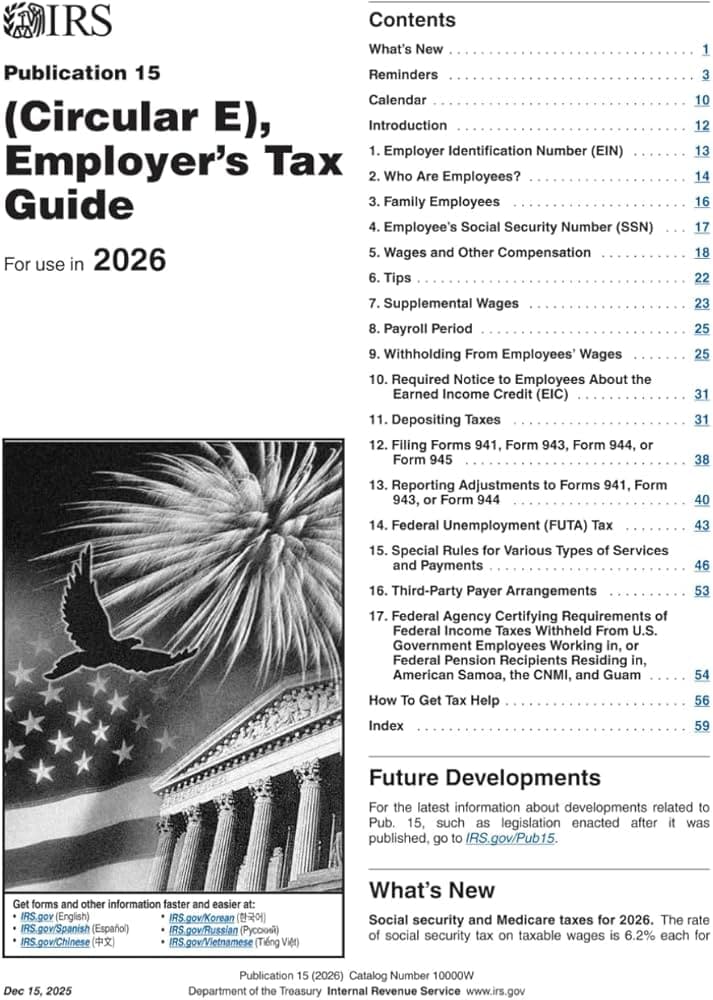
The payroll rules in IRS Publication 15 can look remote from the day-to-day work of a food recovery nonprofit, until a payment gets coded wrong and trust takes the hit. For A Simple Gesture, the practical lesson is simple: even if a vendor runs payroll, managers, coordinators, and finance staff still need enough fluency to spot withholding errors, classify workers correctly, and avoid surprise filing problems.
Why Publication 15 matters beyond the payroll desk
Publication 15, the IRS Employer’s Tax Guide, explains an employer’s responsibilities for withholding, depositing, reporting, and paying employment taxes. That makes it useful not just for bookkeepers, but for anyone who approves hours, signs off on stipends, or decides whether a role is a wage job or a contractor arrangement. In a lean nonprofit, those calls shape budgets, cash flow, and worker trust long before a return is filed.
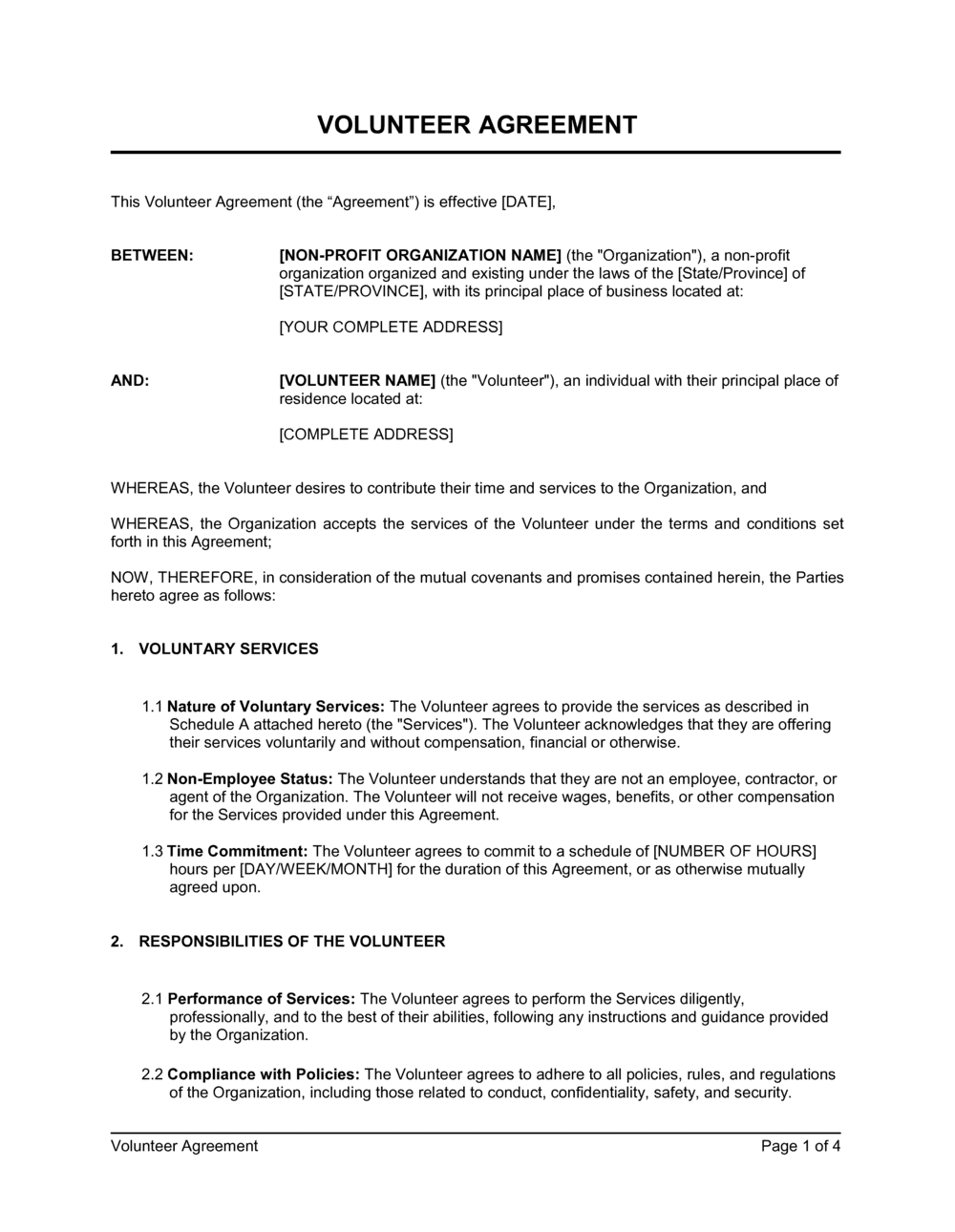
For A Simple Gesture, that is especially important because the organization depends on a mix of volunteers, part-time staff, local coordinators, and outside help. A green bag pickup route may start as a volunteer-driven operation, then grow into a more formal schedule that needs route coordinators, warehouse helpers, or administrative support. The moment the work becomes regular and paid, payroll rules stop being abstract and start affecting how people are compensated.
The 2026 tax basics staff should know
The 2026 edition keeps the core social security and Medicare numbers in view. Social security tax remains 6.2 percent for the employee and 6.2 percent for the employer, with a wage base limit of 184,500 dollars. Medicare tax remains 1.45 percent for each side, with no wage base limit. Those figures matter because they affect every paycheck, every budget line, and every conversation about whether the organization can afford to add hours or expand a role.
Publication 15 also says supplemental wages are generally subject to 22 percent withholding. That rate jumps to 37 percent once supplemental wages paid to an employee during the calendar year exceed 1 million dollars. A Simple Gesture is not likely dealing with executive-scale bonus pools, but the rule still matters as a reminder that different kinds of pay are treated differently, and that payroll systems should not be trusted blindly when a one-time payment goes out.
The guide also notes that employers continue to use Publication 15-T to figure federal income tax withholding. Its 2026 withholding tables were updated for changes made by Public Law 119-21, the One Big Beautiful Bill Act, which permanently extended individual income tax rates, kept the increased standard deduction, and permanently ended personal exemptions. Even if payroll is outsourced, operations leaders should know that withholding formulas can change under the hood and show up later as under-withholding or surprise corrections.
The reporting threshold that can catch small nonprofits off guard
One of the most useful changes for nonprofit teams is the higher information-reporting threshold. For wages paid after calendar year 2025, the wage-reporting threshold rises from 600 dollars to 2,000 dollars when no federal income tax, social security tax, or Medicare tax was withheld. The new threshold will be adjusted for inflation each year after 2026.
That may sound technical, but it reaches directly into the kind of work A Simple Gesture relies on. Small stipends for a short-term organizer, reimbursement-like payments that are not handled correctly, or temporary help for a food drive or community campaign can all create reporting obligations. The safest instinct is not to assume that a small payment is too minor to matter. Under the new rule, the question is whether withholding happened, and whether the payment triggers the reporting threshold.
The 2026 guidance also says household workers become subject to social security and Medicare taxes once cash wages reach 3,000 dollars, and election workers become subject once paid 2,500 dollars or more in cash or equivalent compensation. Those numbers may not map neatly onto a food recovery nonprofit, but they reinforce the broader point: thresholds matter, and different categories of labor can flip into taxable status faster than a small team expects.
What this means for A Simple Gesture’s day-to-day operations
This is where payroll becomes a worker-protection issue rather than a back-office chore. In a nonprofit that depends on community goodwill, a payroll mistake can feel bigger than a clerical slip. A volunteer who gets converted to a paid helper, a route coordinator who starts tracking regular hours, or a temporary worker hired during a campaign needs to be paid correctly the first time.
For A Simple Gesture, the useful habit is to separate a few questions before any payment goes out:
- Is this person a volunteer, an employee, or a contractor?
- Is the payment a wage, a stipend, or a reimbursement?
- Will withholding apply, and if not, does reporting still apply?
- Is the work recurring enough that it should be budgeted like a staff role rather than a one-off expense?
Those questions help protect the organization from filing errors, but they also protect relationships. In volunteer-heavy operations, people notice when one helper is paid differently from another, or when a supposed reimbursement turns into a tax issue later. Clear classification is part finance discipline and part fairness.
Why this knowledge helps route coordination and volunteer retention
Green bag pickup is a logistics-heavy model, which means the line between volunteer labor and paid work can blur quickly. Coordinating routes, confirming pickup zones, troubleshooting missed collections, and supporting pantry partnerships all take time and consistency. If A Simple Gesture expands and starts paying for those tasks, staff need enough payroll literacy to know when the role crosses into employment territory.
That matters for retention too. People are more likely to stay engaged when pay arrangements are transparent and predictable. If a route coordinator or temporary warehouse helper gets a surprise tax form or a withholding correction months later, the damage is not just administrative. It can undermine the kind of trust nonprofit teams need to keep volunteers, donors, and community partners aligned.
The bigger budgeting lesson
The IRS released its 2026 inflation adjustments on October 9, 2025, covering more than 60 tax provisions. For nonprofit teams, that is a reminder that payroll rules move every year, even when the mission does not. A Simple Gesture does not need everyone to become a tax specialist, but it does need managers and operations staff to know which changes can affect payroll assumptions, reporting obligations, and route-based staffing plans.
That is the real value of Publication 15. It gives small organizations a framework for making payroll decisions that are clean, defensible, and less likely to surprise the people doing the work. For a nonprofit built on neighborhood trust, that kind of clarity is not administrative trivia. It is part of how the organization keeps faith with the volunteers, staff, and pantry partners who make the mission possible.
This article was produced by Prism’s automated news system from verified source data, official records, and press releases, then run through automated quality and moderation checks before publishing. The system is built and supervised by the people who set the standards it runs under. Read our full AI policy.
Know something we missed? Have a correction or additional information?
Submit a Tip