A Simple Gesture can use SHRM benefits survey to compete for talent
SHRM's benefits survey can help A Simple Gesture separate baseline perks from real retention tools. For a lean nonprofit, that distinction can keep staff and volunteers in place.
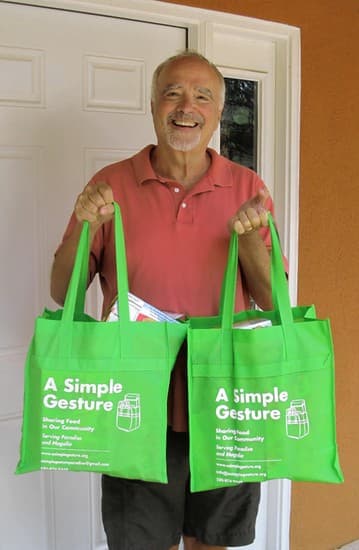
For A Simple Gesture, benefits benchmarking is not an HR nicety. It is part of whether the nonprofit can keep the coordinators, drivers, and relationship builders who make the green bag model work across Guilford County. When a workplace depends on recurring donors, pantry partners, volunteer drivers, and route coordination, turnover is not just a staffing headache. It can disrupt pickups, strain partner relationships, and slow the flow of food to neighbors who rely on the system.
Why SHRM’s survey matters to a nonprofit like this
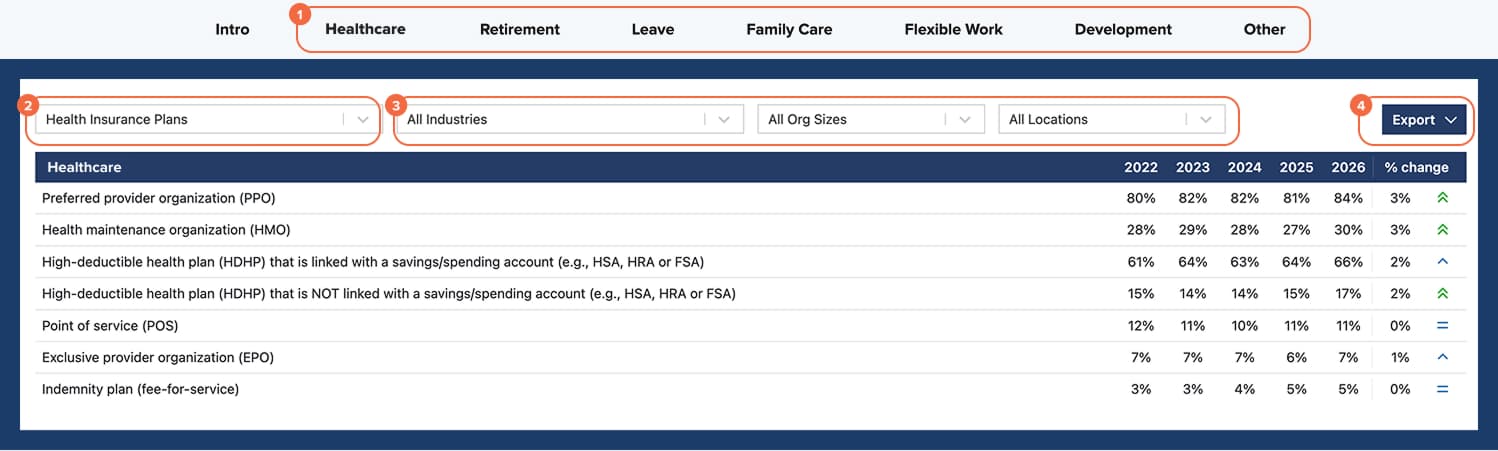
SHRM says its Employee Benefits Survey has been running since 1996, making it one of the longest-running annual benefits surveys in the United States. The 2026 edition includes more than 230 unique employee benefits and is built to help employers benchmark, modernize, and stand out in attracting and retaining talent. That matters because small nonprofits often assume benefits benchmarking is something for large employers with larger HR teams and deeper pockets. It is actually more important when every staffing decision has outsized consequences.
The value of the survey is not that it tells a nonprofit how to copy a corporate package. It gives leaders a way to see where they are credible and where they are merely hoping mission will make up the difference. In a nonprofit setting, that means weighing health coverage, retirement support, flexible scheduling, paid leave, and other forms of total rewards against what the organization can realistically sustain. SHRM’s broader research framing, which emphasizes evidence-based insights and innovations at the intersection of people and work, fits that need well.
Baseline credibility versus true differentiation
The most useful way to read the survey is to separate what employees now expect from what would genuinely set a workplace apart. Baseline credibility is the floor: the benefits that signal the organization is serious about treating people like long-term staff, not temporary helpers. In a lean nonprofit, that may mean dependable health coverage, some retirement support, paid leave that people can actually use, and schedules that do not punish workers for having lives outside the mission.
True differentiation comes from how those benefits are packaged around the realities of the job. A Simple Gesture staff and coordinators are not sitting behind desks all day. They are managing green bag pickup routes, working with pantry partners, keeping volunteers engaged, and maintaining the trust that comes with serving households and neighborhoods consistently. Flexible scheduling, predictable time off, and thoughtful leave policies can matter as much as a higher headline salary, especially when the work depends on people who know the routes, the donors, and the partner organizations.
That is where benefits benchmarking becomes a management tool, not an HR side note. It helps board members see that benefits design is part of retention strategy, not just a cost center. It also gives supervisors a better answer when a staff member asks why they should stay if a larger employer can offer more money. For a nonprofit, the answer cannot be mission alone.
The labor market pressure is already visible
The National Council of Nonprofits has been blunt about the staffing strain facing the sector. In its 2023 workforce survey, 79% of nonprofits said salary competition was a factor preventing them from filling job openings, and 23% said the inability to find child care affected recruitment and retention. Those numbers explain why so many organizations are trying to do more with fewer people while service demand keeps climbing.
The Council also warned that when nonprofits cannot hire enough staff, the public pays the price through longer waiting lists, reduced services, and sometimes the elimination of services altogether. It said communities can lose access to food, shelter, mental health care, and other essential supports when nonprofits cannot staff up. That is not abstract for a food-access organization. If a pantry partner is shorted, or if a pickup route falls behind, the effect lands quickly in the community.
The Center for Effective Philanthropy’s 2025 State of Nonprofits report reinforces the same point. Nearly half of nonprofit leaders cited staff-related issues such as recruitment or retention as a significant challenge, and nearly two thirds said they had difficulty filling vacancies in the past year. In other words, this is not a temporary crunch. It is a structural recruiting problem that pushes benefits from the margins to the center of organizational strategy.
What the numbers mean for A Simple Gesture
A Simple Gesture-Guilford County says it was established as a 501(c)(3) nonprofit in 2015, following a model started by founder Jonathan Trivers in Paradise, California. The organization says that as of December 2025 it had helped provide more than 8,000,000 child-size meals and $13,000,000 in donated-food value. It also says it works with more than 75 pantry partners, more than 3,900 recurring food donors, and 200 monthly volunteers.
Those figures tell you why retention matters. A Simple Gesture is not just moving boxes. It is sustaining a web of relationships across Guilford County, North Carolina, including Greensboro, where volunteers, donors, and pantry partners all need reliability from the people inside the organization. The group also says it has more than 1,700 food donors and volunteer drivers who help collect over 132,000 pounds of food each year, which makes continuity in staffing even more valuable. A missed hire or a poorly structured benefits package can ripple outward into route coordination, donor communication, and pantry planning.
For employees, that means benefits are not a side conversation. They affect whether experienced coordinators stay long enough to learn the geography of the routes, whether drivers can plan around their schedules, and whether the organization can keep institutional knowledge instead of starting over every time someone leaves. In a mission-driven workplace, that continuity can be the difference between a stable volunteer network and constant triage.
How to put the survey to work
The smartest use of SHRM’s survey is to turn it into an internal conversation about what matters most to the people doing the work. That does not mean trying to match larger employers dollar for dollar. It means identifying the benefits that create the most value for staff and volunteers who keep the operation moving.
A useful review would look at:
- Which health, retirement, and paid-leave offerings would make A Simple Gesture feel competitive enough to keep people from leaving.
- Whether flexible scheduling can be built around pickup routes, pantry meetings, and volunteer coordination.
- Which supports might matter most to staff who are balancing work with child care or other caregiving demands.
- Where modest changes, such as clearer leave policies or better scheduling practices, could improve retention without blowing up the budget.
For a nonprofit like A Simple Gesture, the lesson is plain. Mission may attract people, but benefits help keep them. In a labor market where salary competition is already squeezing nonprofits, the organizations that treat benefits as part of service delivery, not overhead, will be better positioned to hold on to the people who keep the mission alive.
This article was produced by Prism’s automated news system from verified source data, official records, and press releases, then run through automated quality and moderation checks before publishing. The system is built and supervised by the people who set the standards it runs under. Read our full AI policy.
Did this article answer your question?