A Simple Gesture could grow faster through coalition-style pantry cooperation
A Simple Gesture can scale faster by copying pantry coalitions that pool buying power, data, and advocacy, cutting costs while keeping local delivery local.

Why coalition-style cooperation matters
A Simple Gesture’s next growth edge may not come from adding more chapters one by one. The bigger opportunity is the same one that is reshaping New York’s emergency food network: pantry partners working together on the mechanics that usually stay hidden, from buying staples to comparing prices to speaking with one voice when funding gets tight.
That matters because hunger relief has become harder, not easier, to run. Demand keeps rising, supply is uneven, and smaller neighborhood groups are often left paying retail prices or spending precious staff time reinventing the same systems. The coalition model shows a different path: collaborate on the back-end work, and keep the front-end service rooted in local relationships.
What The Roundtable proves
The Roundtable: Allies for Food Access was founded in 2018 to pursue bulk and collective purchasing. It began with four of New York City’s largest emergency food providers: New York Common Pantry, Project Hospitality, St. John’s Bread & Life, and West Side Campaign Against Hunger. Since then, it has grown into a coalition of eight of the city’s largest food pantries and soup kitchens, with support from funders including Robin Hood, Sea Change Capital, New York Health Foundation, UJA Federation of New York, and New York Community Trust.
The scale is the point. The coalition says its members distributed food from more than 1,100 sites across all five New York City boroughs in 2022. That is a reminder that collaboration does not have to dilute local service. It can sit underneath it, creating a stronger purchasing floor and a broader advocacy platform while each pantry keeps its neighborhood identity.
How the savings actually happened
The Roundtable’s first win was practical, not flashy. During its pilot phase, members shared purchase-price information and generated average savings of 20% on food costs across the collective. That sounds simple, but it is the kind of administrative muscle that smaller pantries rarely have enough staff time to build on their own.
The coalition later built a database with nearly 2,500 data points to help members compare prices and make better buying decisions. It also completed bulk purchases that saved members tens of thousands of dollars on staples like oats and milk. Food Bank News reported three bulk purchases of oats and milk in 2022 that saved more than $55,000, followed by 14 bulk purchases in 2023 that produced total savings of $183,000. For pantry operators, those numbers are more than a budget story. They are a reminder that shared procurement can turn fragmented buying into leverage.
What this means for A Simple Gesture
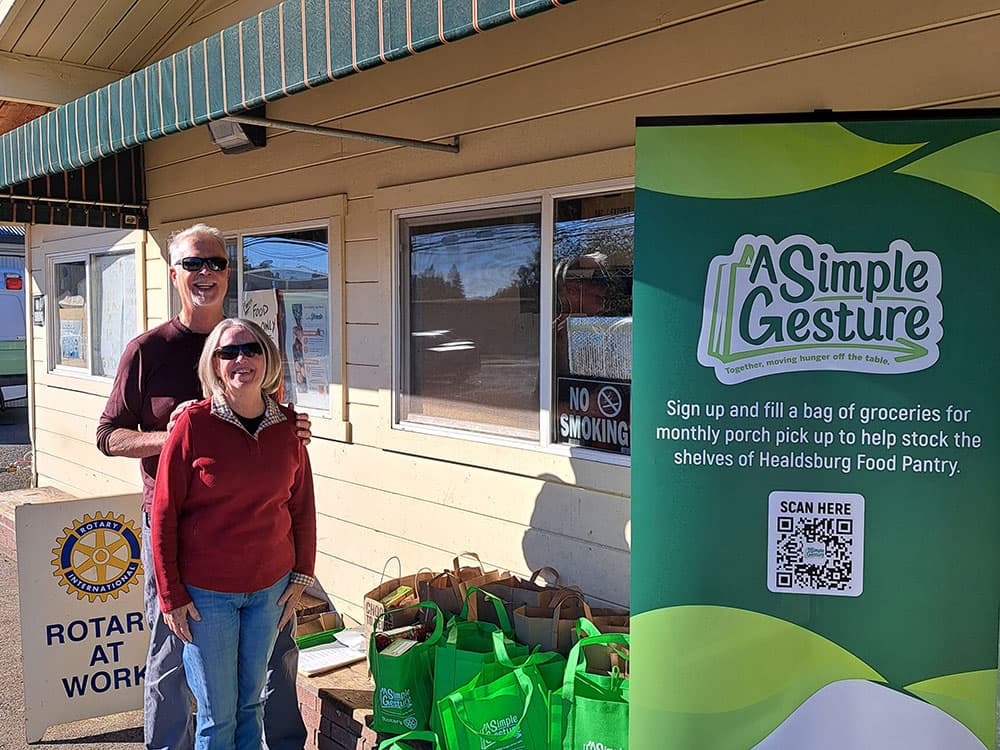
A Simple Gesture was started in 2011 by Jonathan Trivers in Paradise, California, with a simple goal: create a community-wide food donation cycle that gets more food to people in need while bringing communities closer together. That model has clearly traveled. One source says it has been replicated by more than 70 chapters nationwide; another says more than 65 communities have launched programs based on the idea.
Its Guilford County site says it works with dozens of local food pantries and positions its Food Recovery program as a way to rescue edible surplus food from businesses and deliver it to local nonprofits. It also cites the same basic structural challenge that drives coalition thinking elsewhere: the United States wastes 30% to 40% of the food it produces, even as local hunger needs remain high.
For A Simple Gesture, the lesson from The Roundtable is not that every chapter should become centralized. It is that chapters can collaborate on the parts of the job that are easiest to duplicate and hardest to fund alone. That includes:
- route intelligence, so pickup patterns can be shared instead of rediscovered
- pantry demand data, so recovered food matches what partners actually need
- volunteer recruitment and retention practices, so strong chapters help weaker ones
- vendor pricing, so buying decisions are based on real market information
- advocacy, so shortages and policy needs are raised with more credibility
That is especially relevant for a neighborhood-based food recovery model like A Simple Gesture, where the work depends on thousands of small decisions made every week. If one chapter figures out a better way to route green bag pickups, recruit drivers, or match donations with pantry demand, there is no reason that knowledge should stay locked inside one zip code.
The tradeoffs smaller groups have to weigh
Coalition work is not free. Sharing price data, coordinating bulk orders, and aligning advocacy all require trust, time, and some level of standardization. Smaller neighborhood organizations may worry about losing autonomy or spending too much effort on meetings, data entry, and joint planning when they are already stretched thin.
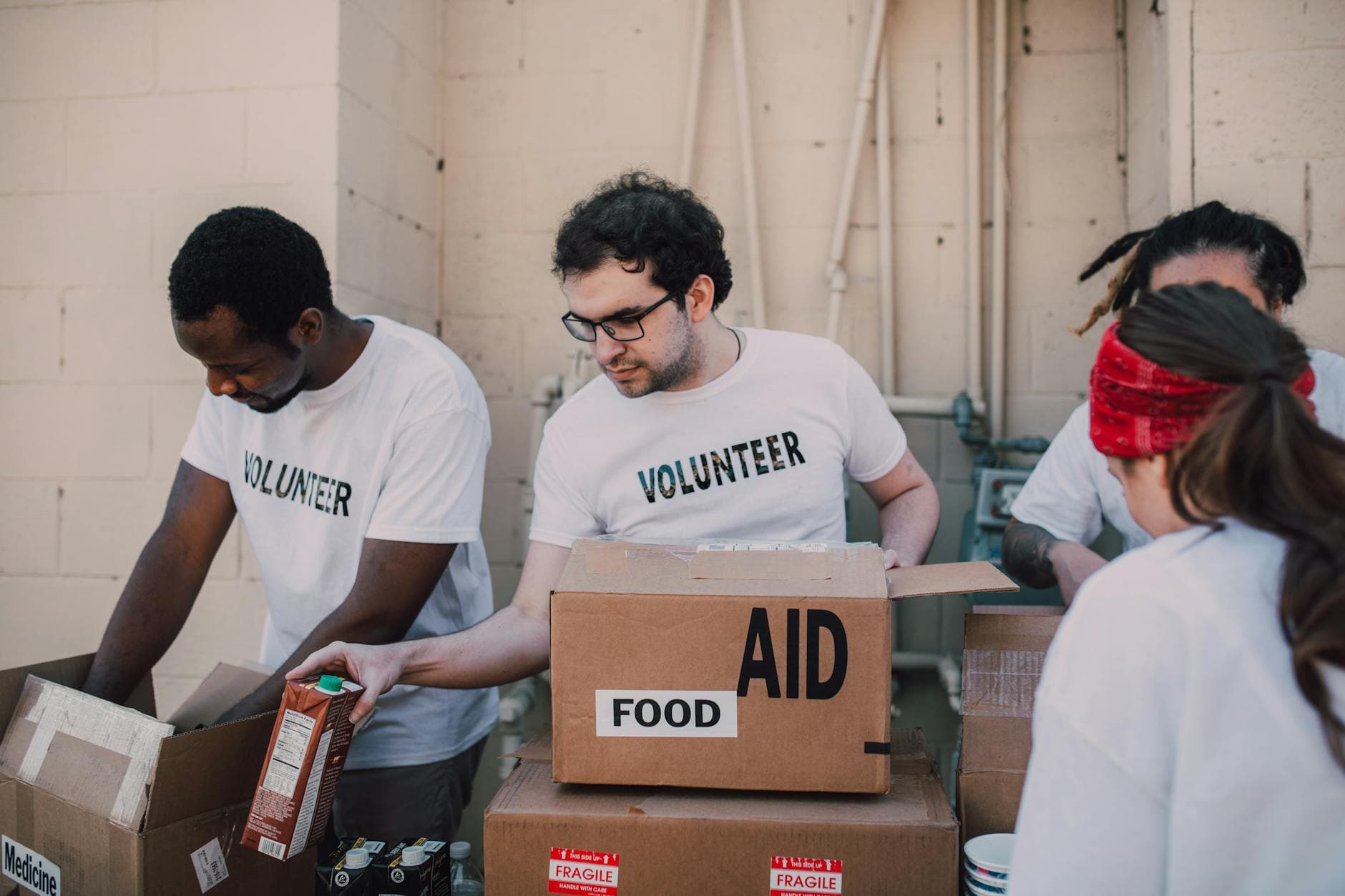
But the alternative has its own cost. End Hunger Connecticut! has said some pantries are forced to buy up to 30% of the food they distribute from grocery stores at higher prices when donations and food bank supply fall short. That is where coalition purchasing becomes more than a nice-to-have. If a pantry is buying emergency staples in the retail market, it is already paying for the absence of coordination.
For A Simple Gesture, the practical question is not whether collaboration is ideal in theory. It is whether coalition-style work can reduce the churn that slows neighborhood programs down: duplicate vendor searches, inconsistent food quality, volunteer bottlenecks, and isolated advocacy. The Roundtable suggests the answer is yes, especially when a network treats shared infrastructure as a core operating tool rather than an administrative extra.
Why the model fits the next phase of growth
A Simple Gesture has always been built around a simple act, a green bag on a doorstep and a neighborly pickup that turns excess into food for local pantries. That clarity is still a strength. But as the network grows, the next step is not just more bags or more sites. It is more coordination behind the scenes.
The strongest lesson from coalition pantry work is that scale and locality do not have to compete. In fact, they reinforce each other when groups pool information, buy together, and advocate together. For a food recovery system like A Simple Gesture, that is the path to growing faster without losing the neighborhood relationships that make the model work in the first place.
Know something we missed? Have a correction or additional information?
Submit a Tip