A Simple Gesture plans for disaster-ready food rescue routes
A Simple Gesture's route model depends on more than porch pickups: it needs a disaster playbook for volunteers, vehicles, pantry partners, and backup communications.
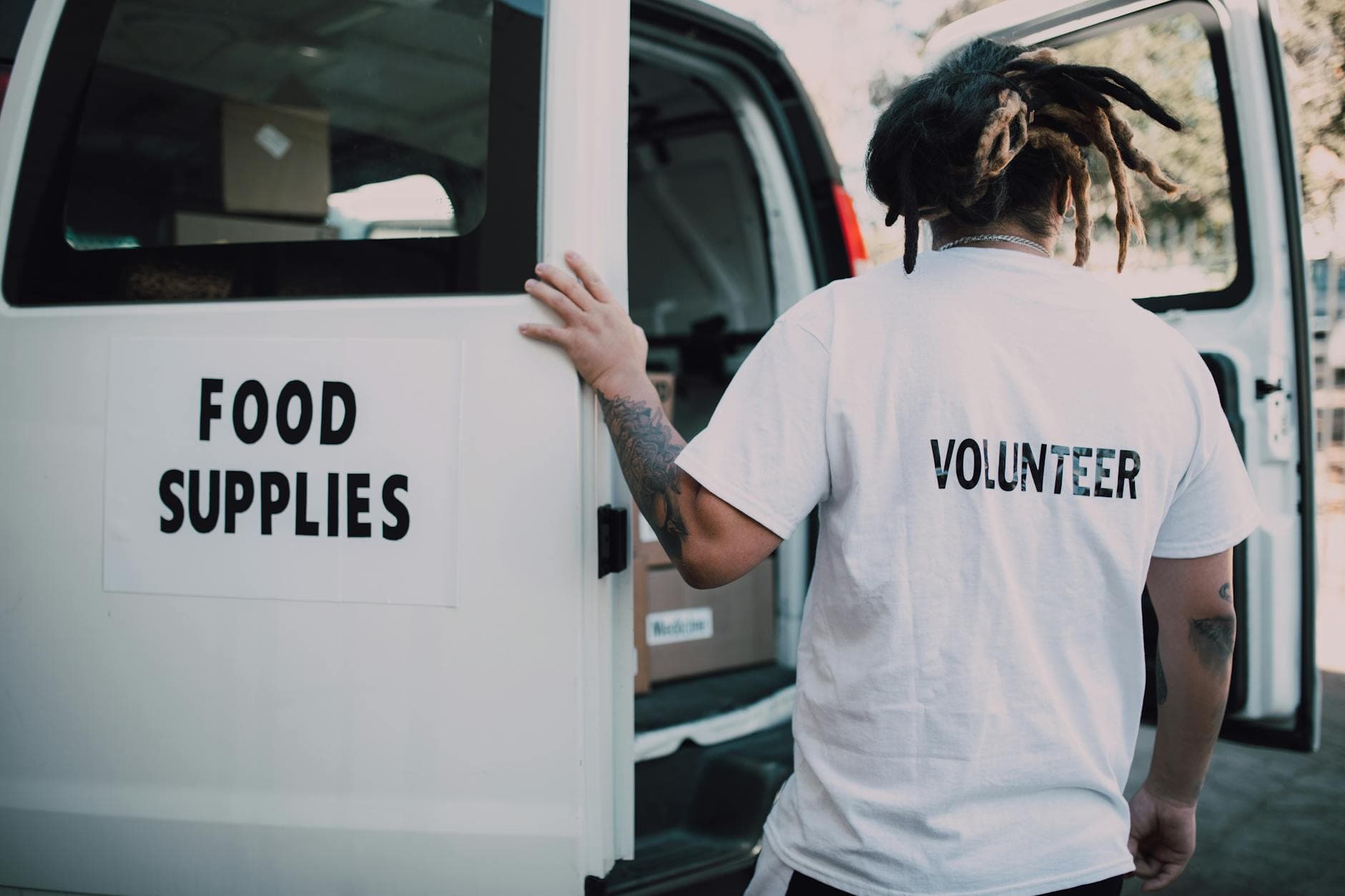
A Simple Gesture’s doorstep model works because it feels ordinary on the surface. Donors leave green bags out, volunteers follow pickup routes, and food moves quickly to partner pantries. The problem is that the same simplicity can hide how fragile the system becomes when weather, staffing, power, or transportation break down, which is why disaster readiness has to be treated as route readiness, not as a separate planning exercise.
Disaster readiness starts before the first call
Feeding America’s Disaster Response Logistics Guide, updated in April 2024, is built around a basic idea: food banks cannot wait until a storm is on the radar to figure out who is doing what. The guide walks through the full response cycle, from pre-staged product and pre-planned partnerships to budgeting, timelines, protecting people and property, assessing the situation, activating incident command, communicating with government and nonprofit partners, notifying the public, and eventually returning to normal operations. That is the right frame for A Simple Gesture too, because the moment routine collapses is exactly when pantry partners and neighbors need the route to keep moving.
The scale of the need makes that planning non-negotiable. USDA’s 2024 household food-security report estimated that 13.7 percent of U.S. households, or 18.3 million households, were food insecure at some point during 2024, and 5.4 percent, or 7.2 million households, had very low food security. Feeding America says 48 million people, including 14 million children, face hunger in the United States, and it also said 47.4 million people experienced food insecurity in 2023. That is a system already under strain before a tornado, flood, wildfire, drought, hurricane, or earthquake pushes demand higher.
What has to be in place before the storm
The most useful part of the guide is the pre-incident checklist, because it turns preparedness into a series of decisions, not a vague commitment. Staff and volunteers need to know their responsibilities, primary and alternate points of contact have to be identified, volunteers must be notified, and alternate meeting sites should be ready if the usual space becomes unusable. Food banks also need to prepare for a surge in requests, schedule volunteers to maintain coverage, and communicate early with partner organizations so there are no surprises when conditions change.
The practical list is blunt, and it is exactly the kind of bluntness route-based food recovery needs:
- Charge electronics before the weather turns.
- Fuel vehicles in advance.
- Prepare paper forms and office supplies for manual operations.
- Acquire additional equipment if coverage or scale is likely to stretch existing resources.
- Position equipment at alternate warehouses if needed.
Those are not administrative details. They are the difference between being able to keep pickups moving and spending the first six hours improvising when systems are already failing.
Why A Simple Gesture’s model is especially vulnerable, and especially adaptable
A Simple Gesture’s food recovery page says volunteers use their personal cars, a smartphone, and pickup routes to recover edible food from businesses and deliver it to nonprofits. That model is efficient, but it depends on predictable conditions: the routes have to make sense, donors need to know when to set bags out, and volunteers have to be able to reach neighborhoods on schedule. When weather or transportation problems interrupt that chain, the organization is not just losing convenience. It is risking missed food, confused donors, and extra work for pantry partners already managing demand.
That is why route resilience matters so much in Guilford County and beyond. A Simple Gesture says its Guilford County program has been making food donation easy since 2015, and its mission page says the county operation had more than 8,000,000 total child-size meals donated and 3,900-plus recurring food donors as of December 2025. A related volunteer platform page says the broader model has more than 60 chapters nationwide and has provided over 7 million meals. The lesson is simple: when a system is built on routine, trust, and doorstep logistics, disaster planning has to protect those routines instead of replacing them.
What leaders should do when disruption is possible
The best disaster plan for a green-bag network is one that keeps decisions close to the route. If a storm is likely, staff should decide how donors will be notified, which routes can be consolidated, and where volunteers should report if a usual meetup point is closed. If staff shortages are the problem, the plan should specify how to maintain coverage without overloading the same few drivers or coordinators. If transportation is strained, the answer may be as basic as shifting timing, changing route density, or moving staging to a different warehouse.
That is also where communications become mission work. Donors do not need a long explanation about incident command, but they do need clear instructions about whether to leave bags out, hold them for another pickup day, or redirect donations another way. Volunteers need the same clarity, plus a reliable fallback if they lose cell service or cannot access the normal app or routing tools. The guide’s emphasis on alternate points of contact and manual operations is especially relevant here, because a route system cannot depend on perfect connectivity when the rest of the community is losing it.
Part of a much larger emergency system
Food recovery does not sit outside emergency management, and the federal guidance makes that clear. FEMA’s Volunteer and Donations Management Support Annex says unsolicited volunteer services and donated goods must be coordinated for federal disaster response, while the National Mass Care Strategy says feeding often begins with local food banks, restaurants, and caterers before shifting to nonprofit disaster-feeding experts. In other words, A Simple Gesture’s work is part of a larger mass-care chain, not a parallel track running beside it.
Feeding America says its network responds before disasters strike, in the immediate aftermath, and throughout recovery, working with local food banks and partners to help neighbors access food, water, and other essentials. It also says disasters are becoming more frequent, which raises the stakes for every local partner that depends on volunteers, donor communication, and dependable pickup operations. Feeding America’s disaster response also shows how quickly the system can scale when multiple states are hit at once: by Oct. 30, 2024, it reported coordinating 228 truckloads for Hurricane Helene and Milton response, reaching 18 network members across seven states, and it said it deployed 13 truckloads of food, water, and relief supplies for Hurricane Milton along the Florida Gulf Coast.
Track the recovery like a real operation
The guide’s post-disaster advice is just as important as the pre-storm list. Food banks should immediately set up separate tracking protocols for disaster-response inventory, volunteer and staff hours, and disaster costs tied to damaged facilities, equipment, or contents. That matters because disaster response often gets blurred into ordinary operations, and once that happens, leaders lose the ability to see what the event actually cost and what the next one will require.
The guide also treats preparedness as a living system, not a shelf document. Debriefs and lessons learned should feed back into the plan so that the next disruption finds the organization smarter, not merely more tired. For A Simple Gesture, that is the real takeaway: the more dependable the doorstep route looks in ordinary weather, the more important it is to build backups, communications, and manual fallback into the model before the next emergency arrives.
Know something we missed? Have a correction or additional information?
Submit a Tip