Food Bank of Delaware highlights rising costs as hunger demand grows
Higher food costs and higher demand were squeezing Delaware hunger relief from both sides. At Legislative Hall, Food Bank of Delaware said every truckload and meal cost more.

Rising food prices, freight bills and fuel costs were squeezing Delaware’s hunger network at the same time more families were turning to help, and Food Bank of Delaware used Legislative Hall on May 20 to show how quickly that pressure reached the warehouse floor. Cathy Kanefsky said the burden was straightforward: every truckload, every delivery and every meal cost more even as demand kept climbing.
The event brought together community partners, food pantries and statewide organizations to spotlight the strain on Delaware families and the nonprofits that serve them. Food Bank of Delaware said the gathering was meant to highlight the growing impact of rising costs on households and on the network that feeds them, a network that stretches from soup kitchens and emergency shelters to schools, senior centers and other nonprofit agencies.
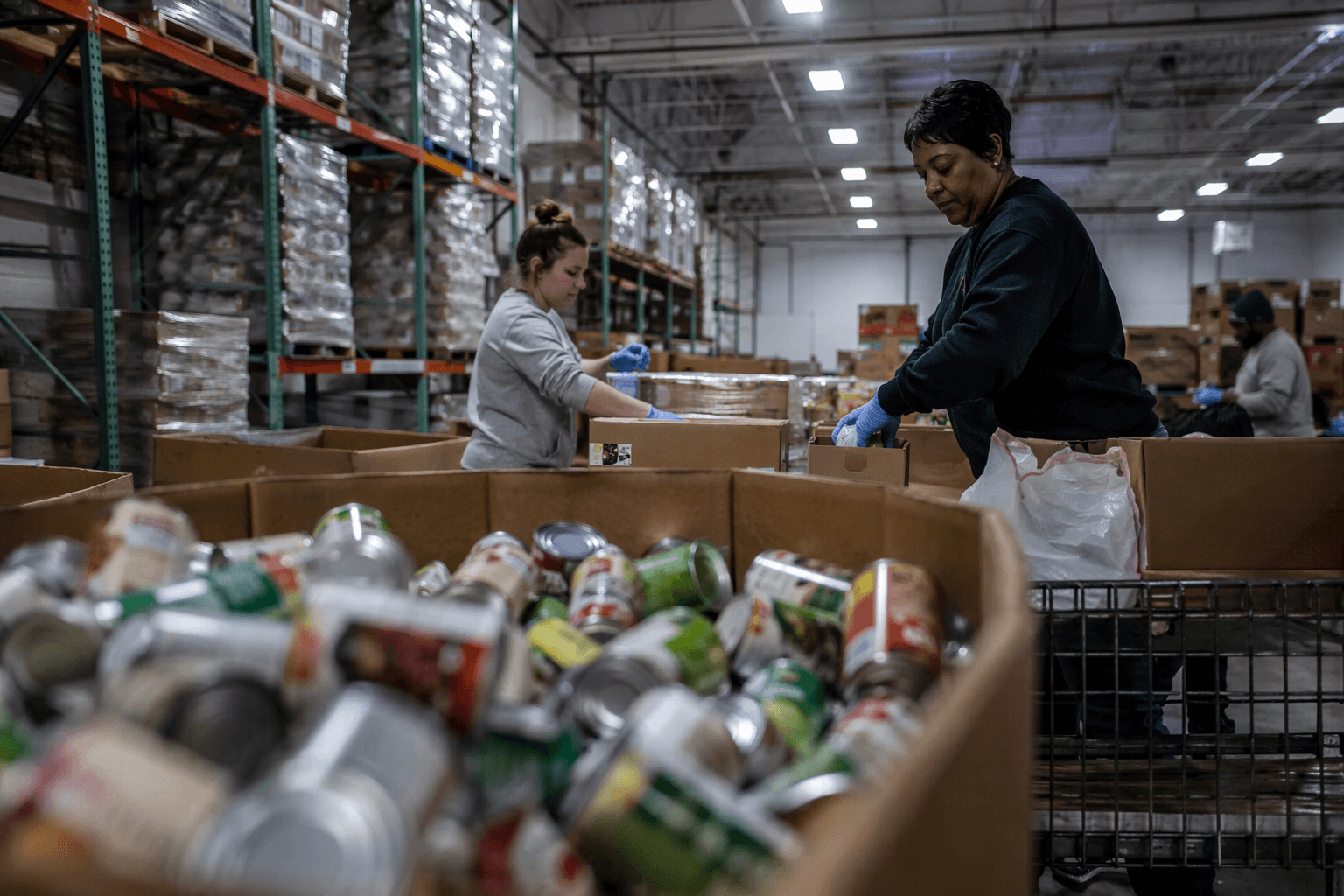
That system depends on constant coordination. Hunger-relief partners receive a weekly menu of items in stock at the food bank’s warehouse, then order from that list to supply their programs across the state. When inventory is stable, the model keeps food moving efficiently. When supply tightens, the whole chain feels it. In March 2025, the food bank said 19 shipments of vital food aid scheduled for April through July had been cancelled, an interruption that complicated planning well beyond a single week.
The pressure is showing up in households, too. Food Bank of Delaware has said more than 12% of Delawareans are food insecure, and speakers at Legislative Hall focused on ALICE families, people who are employed but still cannot cover basic living expenses. They pointed to inflation and housing costs outpacing wages, along with concern over reductions in SNAP benefits and uncertainty around federal nutrition programs.
Kanefsky reinforced that message again in May 22 commentary, saying families across Delaware and the country were making impossible choices as costs rose, economic uncertainty deepened and benefits were reduced. For food-recovery operations, the warning goes beyond policy. Route fuel, vehicle maintenance, storage space and pickup coordination all become part of the cost of getting donated food where it needs to go. When more people need help and every pallet costs more to move, the first break is usually not in the public message. It is in the local partners trying to keep the food flowing.
Know something we missed? Have a correction or additional information?
Submit a Tip