A Simple Gesture could save time with practical nonprofit AI tools
A Simple Gesture could shave hours off donor messages and route notes if it keeps AI away from personal data and human decisions.
The biggest time sink at a small food-recovery nonprofit is often not the food itself, it is the paperwork around it: volunteer reminders, donor follow-ups, route notes, pantry updates and event copy. For A Simple Gesture, where Guilford County’s food-insecurity burden remains heavy and volunteer capacity is tight, practical AI could help staff move faster without handing judgment to software. The catch is simple, and it is the whole story: use AI for draft work, not for sensitive decisions.
What practical AI can do now
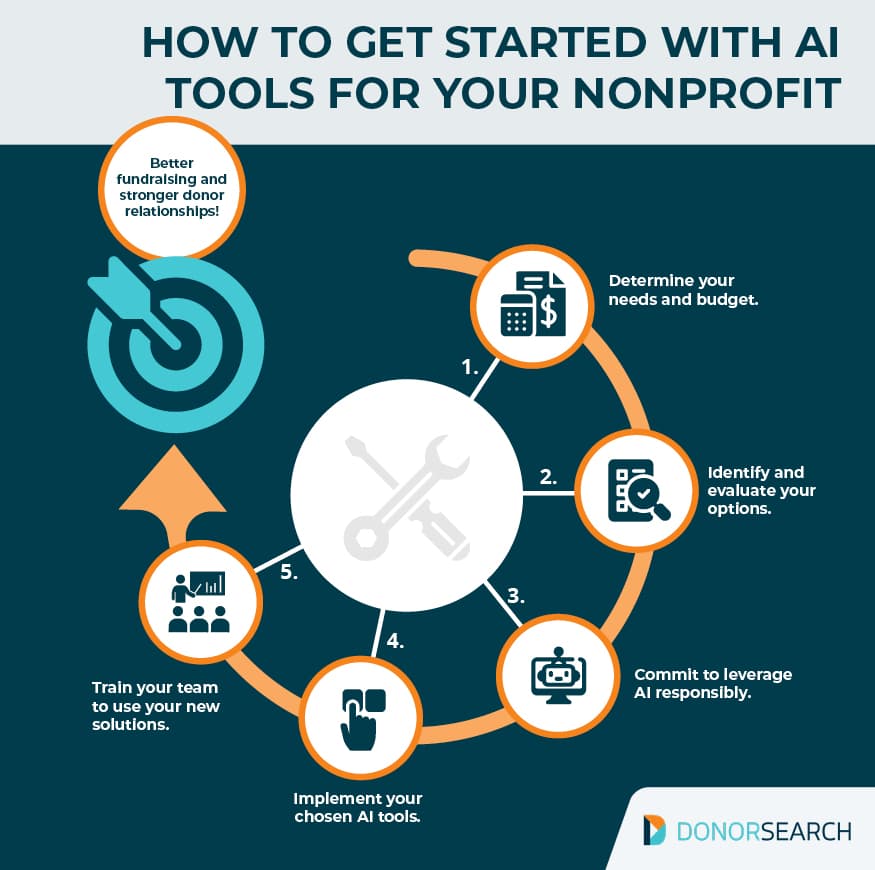
Points of Light’s February 25, 2026 session, Building AI Confidence Across the Social Impact Sector, pushed this idea in the most useful way possible for small nonprofits. The focus was not on flashy transformation. It was on everyday use cases and on safe, simple ways to start experimenting inside tools people already use. That is the right frame for A Simple Gesture, where the work is repetitive enough to benefit from automation but personal enough to require care.
The fastest gains are in drafting and summarizing. AI can help produce volunteer reminder messages, donation thank-you templates, FAQ responses, route summaries and first-pass event copy. It can also help coordinators turn scattered notes into a cleaner picture of what needs to happen next, especially when they are juggling pickup schedules, pantry partner notes and donor communications at the same time. In a workplace where one person often wears three hats, even saving 20 minutes a day can matter.
That time saving is not abstract. It can be the difference between a coordinator getting through the inbox before a pickup run or carrying unfinished admin into the evening. It can also make the volunteer experience smoother, because messages go out on time, instructions are clearer and fewer details get lost between a pantry partner and a route driver. In a green-bag program built on consistency, those small improvements can keep households from missing pickups and keep donor confidence intact.
Where the guardrails have to be strict
The same resource that makes AI feel accessible also makes the limits clear. AI should support judgment, not replace it. That matters most in a mission-driven setting like A Simple Gesture, where trust is part of the operation, not a branding exercise. Anything involving personal data, household-sensitive communications or volunteer assignments still needs human review.
That caution is especially important when a tool is asked to write in a voice it cannot fully understand. A reminder about a missed green-bag pickup is not just a scheduling note. It may touch a family’s routine, a donor’s reliability and a coordinator’s understanding of what happened on the route. AI can help draft the message, but a person has to check tone, accuracy and the details before it goes out.
The safe approach is to start small and stay inside low-risk workflows. Use AI for first drafts, internal summaries and routine copy that already has a human reviewer. Keep it away from decisions about who gets assigned where, who should be contacted about a household issue and anything that would expose private information. In practice, that means AI can save time only if the nonprofit is willing to spend a little time setting rules around privacy, bias and accuracy.
Points of Light’s broader lesson is that AI adoption does not need to become a large software project. For a small team, it can begin as a habit change: ask the tool for a draft, then edit it; ask for a summary, then verify it; ask for a template, then tailor it. That is a far more realistic path for a community nonprofit than a full-scale systems overhaul.
Why the pressure is real in Guilford County
The local need makes this more than an efficiency story. Feeding America’s Map the Meal Gap estimates that 82,510 people in Guilford County were food insecure in 2023, a rate of 15.2 percent. The same data puts the county’s annual food budget shortfall at $57,703,000 and the average meal cost at $3.69. It also says 63 percent of food-insecure people in the county fall below the SNAP threshold of 200 percent of the poverty line.
That is the backdrop for A Simple Gesture’s mission. The organization says it exists to provide a sustainable supply of food to local food pantries in Guilford County, collect excess perishable food for local nonprofits and community meals, and support the SHARE program in Guilford County Schools. It says it has been making donating food easy since 2015 and was established that year as a 501(c)(3), building on a food-collection model first established in 2011.
The scale of the need matters because it shows why small operational gains can have a real downstream effect. If staff spend less time polishing routine messages and more time on route coordination or pantry relationships, the organization can move faster where it matters most. In Greensboro and across Guilford County, the work depends on keeping the local food stream reliable.
What this means for the Green Bag and Food Recovery work
A Simple Gesture’s Green Bag Program asks donors to sign up for monthly or bi-monthly doorstep pickups. Its Food Recovery program rescues edible food from businesses and delivers it to local nonprofits. Those are logistics-heavy programs, which is exactly why AI can help in narrow, careful ways. A route summary, for example, can help a coordinator see which pickups are clustered, which notes need attention and where follow-up is overdue.
The volunteer side is just as important. A Simple Gesture says Food Recovery drivers must be 18 or older, able to lift 20-pound boxes, use a smartphone and use a clean personal car for pickups and deliveries. It also recruits weekday drivers and welcomes volunteers for Green Bag pickup routes. That means scheduling, reminders and route communication are not back-office extras, they are the machinery that keeps food moving.
Points of Light’s own research underscores the pressure on that machinery. It says 47 percent of nonprofits struggle to recruit enough volunteers, 35 percent have trouble finding skilled volunteers and 38 percent struggle to secure volunteers during the traditional workday. When nearly half of nonprofits are short on volunteer coverage, tools that reduce repetitive admin become more than a convenience. They become a capacity strategy.
For A Simple Gesture, the practical takeaway is not to chase AI for its own sake. It is to use it where it can safely remove friction: in first drafts, summaries, reminders and routine copy. Keep the human judgment on assignments, sensitive communications and anything involving personal data. Done that way, AI can help a small nonprofit stay organized enough to do the work it was built to do.
This article was produced by Prism’s automated news system from verified source data, official records, and press releases, then run through automated quality and moderation checks before publishing. The system is built and supervised by the people who set the standards it runs under. Read our full AI policy.
Did this article answer your question?