A Simple Gesture guide explains 403(b) retirement plans for nonprofits
A 403(b) can quietly tip a nonprofit job from temporary to sustainable. Before you join or stay, ask HR about the match, eligibility, vesting and Roth options.
Why a 403(b) can decide whether a nonprofit job feels sustainable
At a place like A Simple Gesture, where staff and coordinators keep green bag pickups moving, line up pantry partners and solve neighborhood logistics, retirement benefits are not a side issue. They are part of whether people can afford to stay. Paychex describes a 403(b) as a tax-advantaged retirement savings plan for employees of public schools, 501(c)(3) organizations and churches, and the IRS says these plans let workers save through individual accounts while employers may also contribute.

That matters because mission does not pay retirement bills. Pew Research Center found that 19% of Americans age 65 and older were employed in 2023, nearly double the share from 35 years earlier, and four in 10 U.S. adults say they are not confident they will have enough money for retirement or think they will not be able to retire at all. For nonprofit workers, that is the real-world backdrop behind a benefits conversation that too often gets pushed aside during hiring.
The first HR questions to ask before you accept, or stay
If you want to know whether a 403(b) is worth staying for, start with the questions that tell you how the plan actually works in practice:
- Does A Simple Gesture offer an employer match, and if so, how much?
- Are all eligible employees allowed to participate, or does eligibility start later for some roles?
- When do employer contributions vest?
- Does the plan allow designated Roth contributions?
- Are catch-up contributions available if you are older or have long service?
Those questions cut through the usual benefits shorthand. A nonprofit can advertise a retirement plan and still offer very different value depending on whether it matches contributions, how quickly money becomes yours and whether part-time or newer staff can join right away.
What a 403(b) actually is, in plain workplace terms
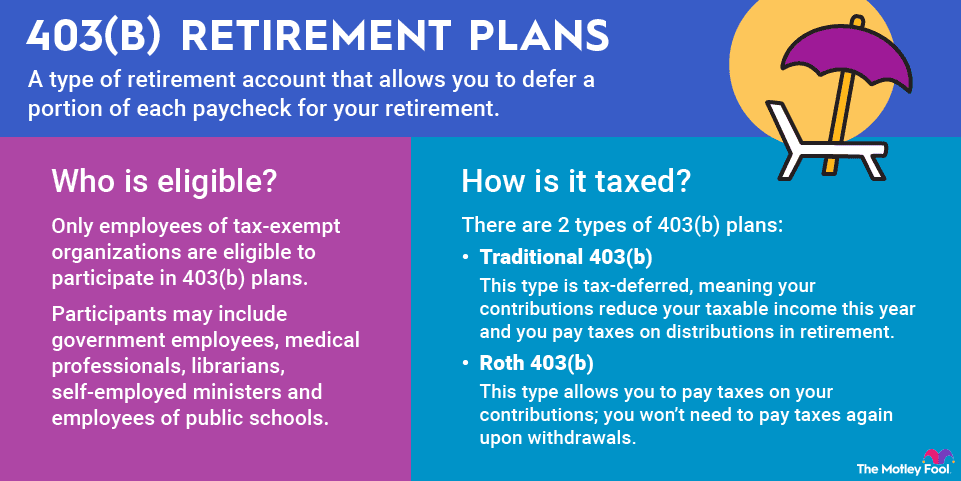
A 403(b) is basically a workplace retirement account built for the nonprofit and public-sector world. The IRS says it is offered by public schools and certain 501(c)(3) tax-exempt organizations, while employees save by contributing to individual accounts. In many plans, the money comes out of salary through deferral, often before taxes, which lowers taxable pay today while building retirement savings for later.
Employers are not required to match every contribution, but they can contribute to employees’ accounts. That is where the plan becomes more than a payroll deduction. In a small or midsized nonprofit, even a modest match can make the difference between an employee treating the job as a stopover and seeing it as a place worth building a career.
The rule that keeps a 403(b) from being a perk only for a few people
The most important fairness rule in the IRS framework is the universal availability requirement. If any employee is allowed to make elective deferrals, all employees generally must be eligible to do so, with limited exceptions such as some part-time workers. For a nonprofit, that is not just a compliance detail. It is also a retention signal.
If one person on a management team can contribute but front-line staff cannot, that creates a split between the people who run the organization and the people who carry out its work. At A Simple Gesture, that distinction matters because staff in route coordination, volunteer recruitment and pantry partnerships are all part of the same operational chain. A 403(b) that is open and clearly explained to eligible workers sends the opposite message: the organization is serious about keeping the whole team, not just the office.
The IRS also says 403(b) plans must have a written plan document. That document can be made up of multiple materials covering eligibility, benefits, contribution limits, distributions and other plan terms. In practice, that means the answers should exist somewhere in writing, not just in a conversation with HR or an old benefits handout that no one can find when questions come up.
What to look for beyond the basics
A good nonprofit retirement offer is not only about whether a plan exists. It is about whether the organization has designed it in a way that makes staying easier. Designated Roth contributions can be allowed in a 403(b) if the plan permits them, which gives workers a choice between pre-tax savings and after-tax savings. That flexibility can matter for employees who want more control over how their retirement income is taxed later.
The IRS says the basic elective deferral limit for 2026 is $24,500. Workers age 50 and older can make an additional catch-up contribution of $8,000, and workers ages 60 through 63 may be able to make a higher catch-up contribution of $11,250 under SECURE 2.0. Some participants with at least 15 years of service may also qualify for an additional 403(b) catch-up if the plan permits it. For long-tenured nonprofit staff, that can be the difference between a plan that looks symbolic and one that actually helps them catch up.
What strong nonprofit plans tend to do
The best nonprofit retirement plans are usually the ones that remove friction. The Plan Sponsor Council of America reported that 80% of eligible employees at surveyed nonprofit organizations contributed to their 403(b) plans in 2022, which suggests that once access is clear, workers use the benefit. The group also found that average contributions were $6,322 per participant in its nonprofit survey coverage of 2022 data, and a 2023 survey found that nine in 10 nonprofit workers were eligible to participate in their employer’s 403(b) plan, the highest level in that survey’s 16-year history.
Some employers go further by making participation immediate and vesting fast. The Urban Institute, for example, offers 403(b) participation immediately upon hire, employer contributions after six months and 500 hours, with immediate vesting. That is the kind of structure that makes a benefits package feel like a recruitment tool instead of a perk that arrives too late to matter.
Why this guide matters inside A Simple Gesture
For A Simple Gesture, the practical question is not whether retirement plans sound good in theory. It is whether the organization can keep people who know how to coordinate volunteers, manage collection routes and sustain pantry partnerships without burning them out or losing them to better-equipped employers. A 403(b) will not fix every retention problem, but it gives staff something concrete to evaluate when they are deciding whether a nonprofit job can support their long-term life.
If the plan is clear, inclusive and matched well enough to feel real, it becomes part of the compensation story that keeps a mission-driven workforce stable. If it is vague, delayed or available only to a slice of the staff, it can quietly push people out of roles that depend on experience and continuity. For a nonprofit built on neighborhood trust, that is not a minor HR detail. It is part of keeping the mission on the road.
This article was produced by Prism’s automated news system from verified source data, official records, and press releases, then run through automated quality and moderation checks before publishing. The system is built and supervised by the people who set the standards it runs under. Read our full AI policy.
Did this article answer your question?