Gleaners faces surging demand as donated food drops sharply
Donated food fell by 9 million pounds while hunger stayed high, leaving Angela Moloney to buy more food and protect 300 agency deliveries.

Angela Moloney inherited a food bank in a bind: demand stayed high across southeast Michigan even as donated food dropped sharply, leaving Gleaners Community Food Bank with less to sort, store and send out to the 300 agencies, soup kitchens and pantries that depend on it. The pressure is not abstract. It reaches the warehouse floor, the purchasing budget and the delivery schedule, where every missed load can ripple out to a pantry line.
The numbers show how fast the squeeze widened. Gleaners received 9.6 million pounds of USDA food in fiscal 2025, down from 14.7 million the year before. In one calendar year, the organization also saw a deficit of 9 million pounds of donated food, including about 5 million pounds less from USDA and the rest from private donors and other sources. Feeding America says hunger remains widespread in the area Gleaners serves, with 1 in 7 people and 1 in 5 children facing hunger, a reminder that falling supply is landing in a region where need is already entrenched.
Moloney stepped into the role after Gleaners announced on November 13, 2025 that she would become president and chief executive in January 2026, succeeding Gerry Brisson, who had led the nonprofit since 2014. In a February 26 Q&A, Moloney said her listening tour showed how hunger intersects with health, education, housing and economic opportunity. She also pointed to Gleaners’ strength as the network of staff, volunteers, board members and community supporters around the mission. That framing matters because the current strain is forcing the organization to make hard calls in real time about where to spend, where to cut waste and how to keep product moving.
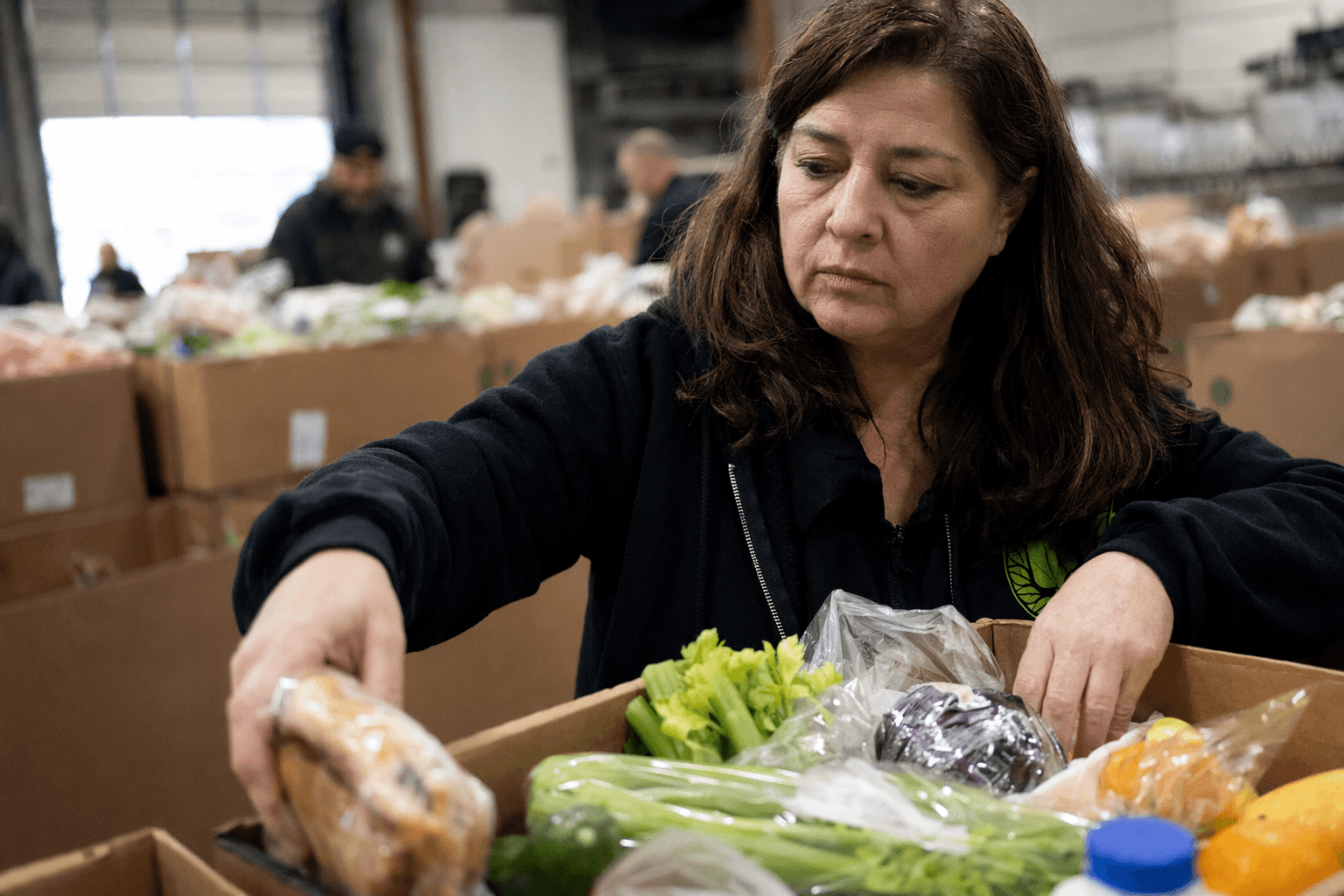
Gleaners has responded by diversifying food sources, allocating more money to purchases and minimizing waste, a practical checklist that sounds simple until it hits staffing and distribution. More buying means more procurement work. Diversifying sources means more partner management. Minimizing waste means tighter inventory discipline, especially when a shortage at the top of the funnel can quickly become a shortage on the dock.
For food-recovery groups like A Simple Gesture, the lesson is direct. Its green-bag program depends on recurring nonperishable donations, and its food-recovery arm depends on surplus coming in from businesses and then going back out through vetted nonprofits. The Michigan chapter says more than 1,700 food donors and volunteer drivers help collect more than 132,000 pounds a year, and the network now stretches to more than 65 communities. Gleaners’ scramble shows why that kind of system has to be treated as one operation, not separate programs: if donations slip, routes still have to run, volunteers still have to show up and partner pantries still expect food.
Know something we missed? Have a correction or additional information?
Submit a Tip
.webp%3Ft%3D1742564842&w=1920&q=75)