Feeding America urges Senate to strengthen farm bill, protect food aid
The farm bill fight could change how food reaches Guilford County pantries: Feeding America wants more TEFAP funding and less SNAP cost shifting to states.
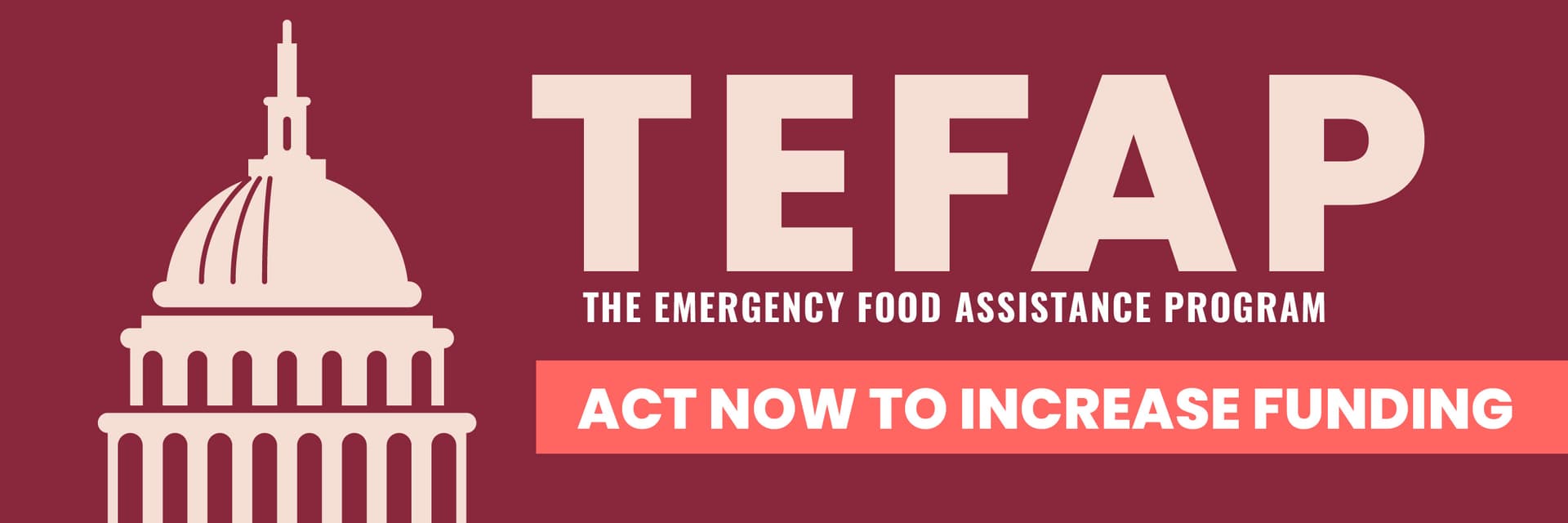
Feeding America is pressing the Senate to use the farm bill to keep food moving from farms into the hunger-relief system, arguing that the House-passed version still leaves too many weak points for food banks, pantries and the families that rely on them. The group said the House vote was only a first step and urged lawmakers to bolster The Emergency Food Assistance Program and avoid shifting SNAP costs to states, which it warned could make the program harder to administer and less stable for families.
The timing matters because the House passed the Farm, Food, and National Security Act of 2026, H.R. 7567, on April 30 by a 224-200 vote after the House Agriculture Committee advanced it on March 5 by 34-17 following a markup that lasted more than 20 hours and ran through more than 100 amendments. NACo said the House later removed a controversial pesticide labeling provision and added an amendment allowing rotisserie chicken purchases under SNAP. The 2018 farm bill is set to expire Sept. 30, 2026, raising the stakes for whatever the Senate does next.
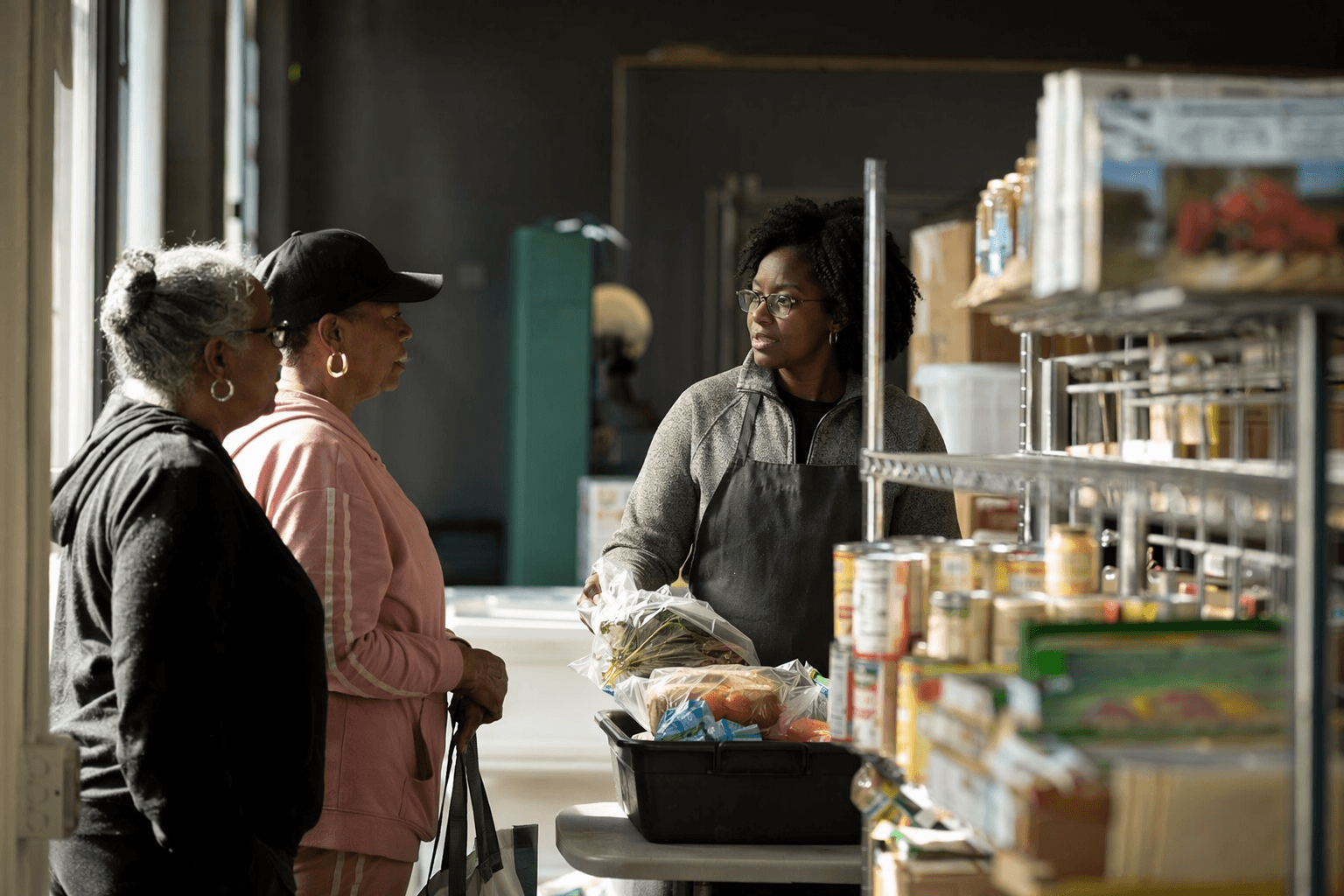
Rebeckah Freeman Adcock, Feeding America’s chief government relations officer, said the House passage was "an important step in a longer process" but that the bill still "falls short" of the resources needed to meet demand. Feeding America said its network includes more than 250 food banks, more than 20 statewide food bank associations, 10 regional co-ops and more than 60,000 agency partners, food pantries and meal programs. For groups like A Simple Gesture, that scale is the reminder that a neighborhood donation route is part of a much larger supply chain.
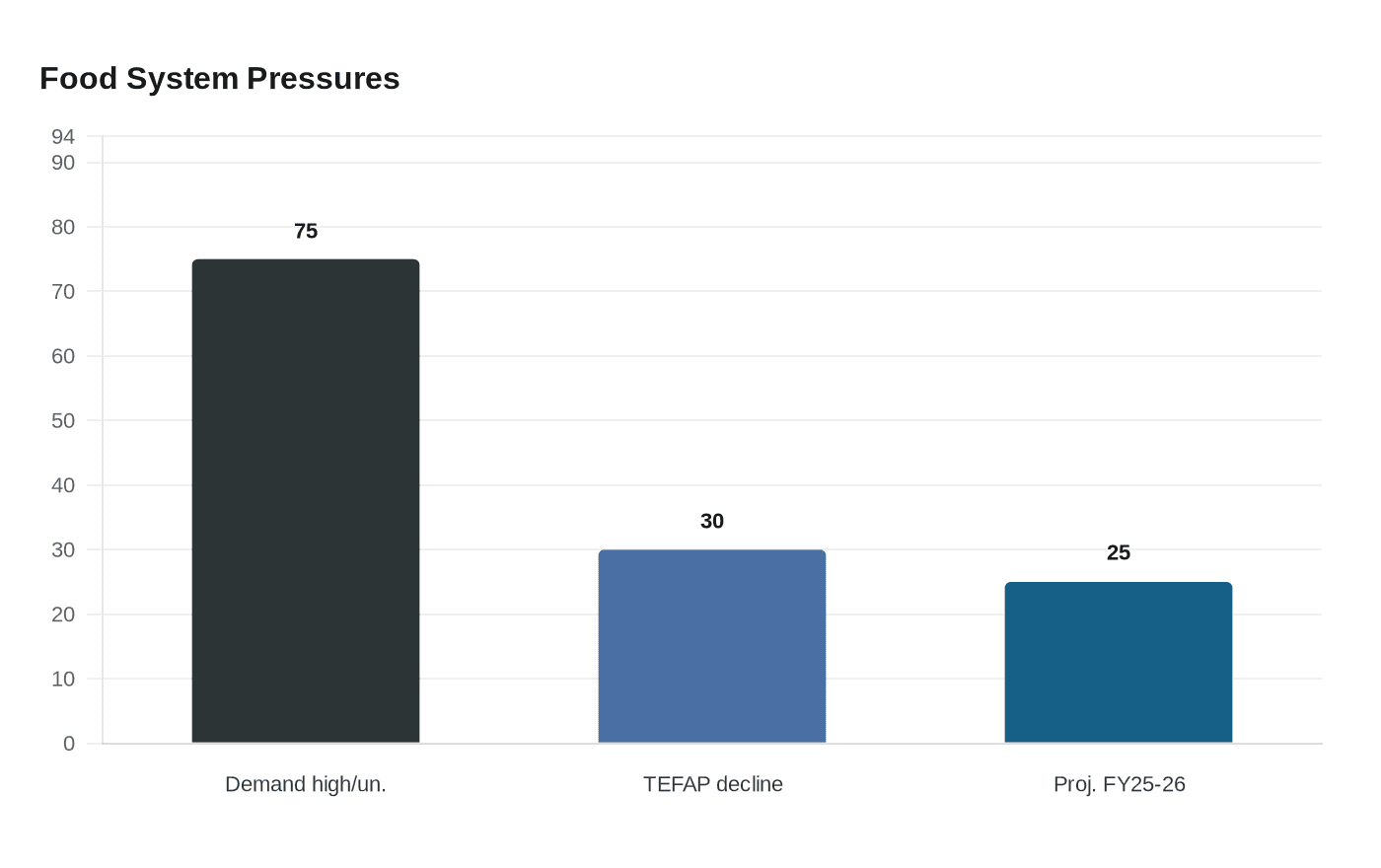
Feeding America Action says nearly 48 million people, including 14 million children, faced hunger in 2024, while 75% of food banks reported demand that was either higher or unchanged from the year before. The organization also says the network has seen a 30% decline in TEFAP food in recent years, with another 25% drop projected from fiscal 2025 to fiscal 2026 alone. Its ask is specific: increase TEFAP entitlement commodity funding by $500 million a year.
For A Simple Gesture, the policy fight has immediate operational consequences. The group’s green-bag pickups, food recovery work and school refrigerator programs help fill pantry shelves in Guilford County and other communities, but they work best when federal programs are steady enough to keep trucks moving, warehouses stocked and partner pantries planning ahead. If TEFAP resources tighten or SNAP becomes harder for states to administer, local coordinators are the ones who feel it first, through thinner pantry inventories, harder donation planning and more pressure on volunteer-led recovery routes. A Simple Gesture has made donating food easy since 2015, and that model now sits inside a national food system whose weakest links are being decided in Washington.
This article was produced by Prism’s automated news system from verified source data, official records, and press releases, then run through automated quality and moderation checks before publishing. The system is built and supervised by the people who set the standards it runs under. Read our full AI policy.
Did this article answer your question?