A Simple Gesture guide shows how to scale volunteer chapters consistently
A Simple Gesture can scale faster when the basics stay centralized: one playbook, one system, and local autonomy only after training and compliance are locked in.
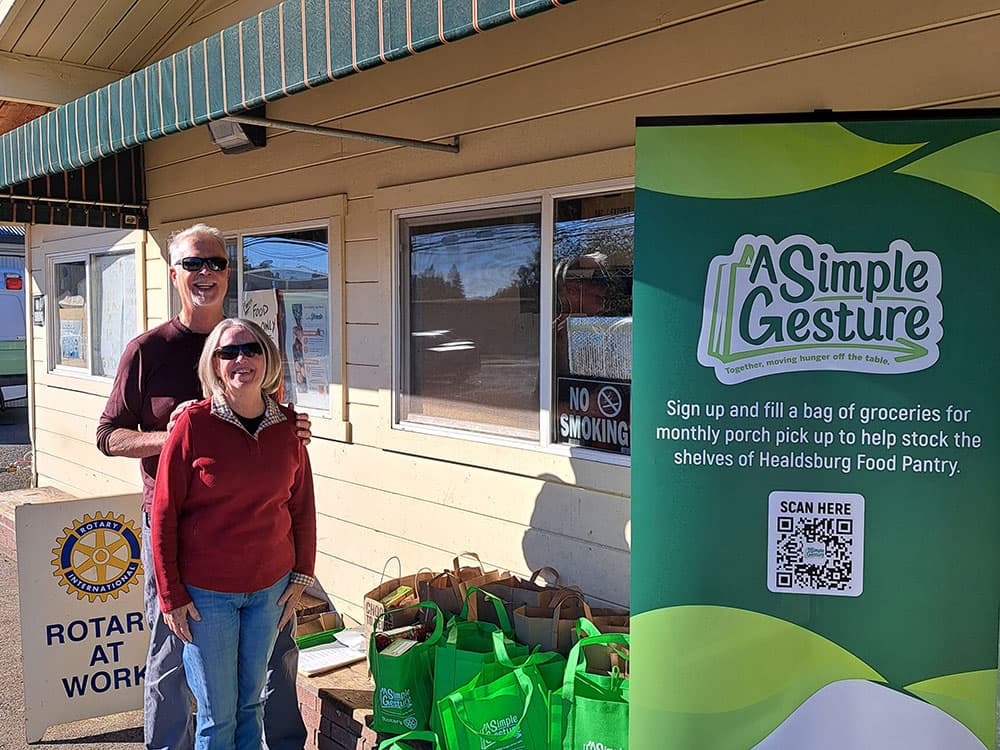
A Simple Gesture’s challenge is not whether local chapters should have room to lead. It is how to keep every volunteer team operating from the same playbook without flattening the initiative that makes neighborhood food recovery work. A guide from Idealist makes the case that growth-stage nonprofits succeed when they centralize the essentials, then give chapter leaders enough freedom to move quickly inside clear guardrails.
Start with a single source of truth
The most important management decision in a multi-chapter volunteer network is to stop letting each location invent its own basics. The guide warns that distance between the home office and the field can create mission misalignment, inconsistent experiences, and less transparency, all of which are costly in a program built on trust and repeat participation. For A Simple Gesture, that means the organization cannot afford a situation where one chapter is using different safety language, another is improvising scheduling rules, and a third is handing volunteers a different onboarding packet.
A single source of truth gives the whole network the same operational backbone. In practice, that means one set of policies, one set of training materials, one communication structure, and one standard way to explain how the green bag program works from donation pickup to pantry delivery. When volunteers move between teams, or when local leaders compare notes, the organization feels coherent instead of fragmented.
Standardize the volunteer lifecycle
The guide argues that the volunteer lifecycle should be standardized from the start, especially onboarding and training. That is not just a paperwork exercise. It is how every volunteer gets the same foundational understanding of the mission, safety rules, and communication structure, no matter which chapter recruited them or which route they eventually support.
For a food recovery nonprofit, that consistency matters on the ground. Volunteers need to know how pickup routes are coordinated, what to do when a donation is left out incorrectly, how to talk to donors, and where to send questions when something does not match the plan. If those basics vary from chapter to chapter, the organization risks confusion that can ripple outward into missed pickups, uneven donor experiences, and weaker confidence in the system.
Standardization also helps retention. Volunteers are more likely to stay engaged when they feel the organization is organized, predictable, and easy to understand. When onboarding is clean and repeatable, chapter leaders spend less time answering the same setup questions and more time building relationships, solving route problems, and keeping the program welcoming.
Use systems that replace scattered spreadsheets
One of the guide’s clearest operational recommendations is to use a centralized volunteer management system instead of relying on local spreadsheets. That system should track hours, certifications, and background checks in one place so chapter leads are not piecing together records from multiple files or email threads. For a network like A Simple Gesture, that is the difference between a program that can scale and one that is always catching up.
Central tracking reduces risk because it makes compliance visible. If a chapter needs to confirm who is cleared, who has completed required training, or which volunteers are current on a credential, leaders should not have to search across disconnected files. The guide’s point is simple: operational clarity is not optional once a volunteer program spans multiple chapters, because the more dispersed the system becomes, the more hidden gaps can grow.
It also improves transparency. When the organization can see volunteer hours and training status clearly, headquarters can spot which chapters are struggling, which ones are thriving, and where support is needed. That gives A Simple Gesture a way to manage its network with facts instead of assumptions.
Give chapter leaders earned autonomy
The guide does not argue for rigid central control. It argues for earned autonomy. Local chapter leaders should have templates, compliance guidance, and room to pilot ideas, but they should not be left to invent the basics from scratch. That distinction matters because the best local leaders are usually closest to the community and fastest to notice what works, yet they still need a framework that protects the whole organization.
For A Simple Gesture, this is the core balancing act. A local coordinator may understand a neighborhood’s donor habits, volunteer availability, or pantry needs better than anyone at the home office. That local knowledge should shape route timing, recruitment tactics, or communication style. But the chapter should not be rewriting safety rules, changing onboarding standards, or creating its own compliance process.
The guide’s logic is practical: trust grows when people know what is fixed and what is flexible. If chapter leads have clarity about the non-negotiables, they can act with more confidence instead of waiting for approval on every small decision. That makes local leadership stronger, not weaker.
Keep local innovation, but protect the network
The best multi-chapter systems do not eliminate experimentation. They make experimentation safer. The guide recommends giving local leaders templates and room to pilot ideas, which lets them adapt to their communities without breaking the core model. For A Simple Gesture, that is especially important because food recovery networks often operate across neighborhoods or counties where donation patterns, volunteer density, and pantry relationships can look very different from one area to the next.
The key is to separate local innovation from foundational operations. A chapter might try a different volunteer reminder cadence, a new way to recruit pickup drivers, or a revised community outreach tactic. But the organization should still keep the same mission language, the same safety framework, and the same administrative standards across every site. That protects the donor experience and keeps volunteers from hearing conflicting instructions depending on which chapter they are helping.
The warning is clear: one weak chapter process can create confusion far beyond that chapter. A donor who gets mixed messages, or a volunteer who sees inconsistent rules, may not distinguish between a local problem and the network as a whole. Consistency is part of the brand, even for a nonprofit that relies on neighborhood trust.
Treat support as infrastructure, not just oversight
The guide’s last major lesson is that local leaders need operational support, not just accountability. Templates, clear escalation paths, and centralized tools are not bureaucratic extras. They are the infrastructure that lets coordinators focus on volunteer engagement and community impact instead of reinventing administrative processes every week.
That matters for A Simple Gesture because the organization’s work depends on people who are often juggling recruitment, route coordination, and pantry relationships at the same time. When those leaders have a clear place to go for answers, they can spend more of their energy on the human side of the program: keeping volunteers active, making pickups reliable, and strengthening the partnerships that move food where it is needed.
The broader lesson is that scaling a volunteer program is as much about trust as it is about enthusiasm. A Simple Gesture can grow across chapters without losing its identity if it centralizes the rules that must be uniform, equips local leaders to act inside those rules, and protects the local initiative that makes the model work in the first place.
This article was produced by Prism’s automated news system from verified source data, official records, and press releases, then run through automated quality and moderation checks before publishing. The system is built and supervised by the people who set the standards it runs under. Read our full AI policy.
Did this article answer your question?