A Simple Gesture needs clear volunteer rules to manage risk
A Simple Gesture's pickup network depends on clear volunteer rules, because small stipends, mileage and casual rewards can trigger payroll, tax and liability risk.

When a helpful gesture crosses the line
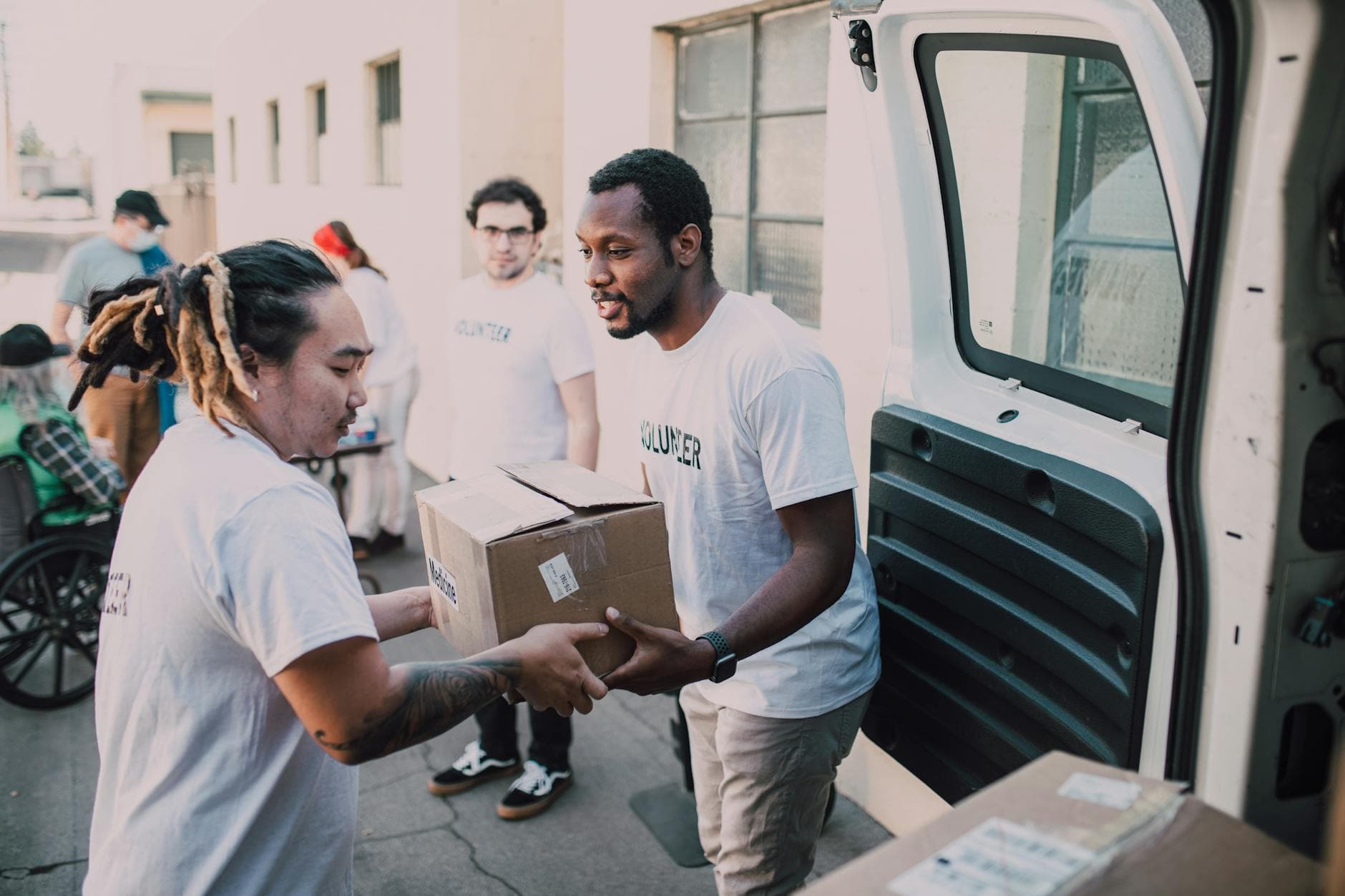
A Simple Gesture’s green bag model works because it turns ordinary neighbors into a recurring logistics network. That same strength creates the biggest compliance trap: once volunteers are driving, lifting, sorting, entering homes or common areas, or receiving even modest compensation, the organization can drift from casual volunteer coordination into a relationship that carries payroll, tax, insurance, and liability consequences.
The National Council of Nonprofits’ volunteer guidance is blunt on the core risk. Even a small amount of compensation can turn volunteers into employees in the eyes of the law. It also notes that in many states volunteers are not covered by workers’ compensation insurance, which is why some nonprofits buy volunteer accident insurance. For a food-recovery operation like A Simple Gesture, that means the difference between a well-meaning thank-you and a policy that accidentally creates exposure.
Why A Simple Gesture is especially exposed
A Simple Gesture is not just hosting one-off volunteer days. Its Guilford County chapter says it works with dozens of local food pantries and makes food donations easy and convenient for donors. The volunteer page highlights Green Bag pickup and food recovery driver roles, which places volunteers directly inside a transportation and handling workflow rather than a low-risk event table or office helper assignment.
The organization’s own timeline shows how much the model has grown up. A Simple Gesture-Guilford County says it was established as a 501(c)(3) nonprofit in 2015, while the broader story says the program has been operating since 2011. A Phoenix partner page says it was started in 2011 by Jonathan Trivers in Paradise, California. That history matters because systems that begin as a neighborhood organizing idea can later develop the scale, repetition, and reliance on specialized helpers that demand formal rules.
The three most common misclassification traps
The first trap is treating stipends like harmless appreciation. The National Council of Nonprofits warns that even small compensation can change how a volunteer is viewed under the law. If a driver or sorter receives regular stipends, gift cards, or other perks tied to service, staff should treat the arrangement as a policy decision, not a casual gesture.
The second trap is mixing reimbursement with pay. Mileage, meals, and similar expenses are common in volunteer-led food rescue, but they need clean documentation and a consistent standard. The National Council of Nonprofits says the federal volunteer mileage rate has been fixed at 14 cents per mile since 1997, while the standard business mileage rate in the cited guidance was 67 cents per mile. That gap is a reminder that mileage policy is not just bookkeeping; it can shape how volunteers perceive their role and how regulators view the arrangement.
The third trap is rewarding service in ways that look like employment benefits. Gift cards, recurring meal vouchers, or set schedules can signal an ongoing work relationship if they are handled informally or unevenly. In a program that depends on route coverage and pantry delivery timing, even a good-intentioned “thank-you” can become evidence of a more structured labor arrangement if the organization has no clear written expectations.
Set the rules before the route gets bigger
A Simple Gesture’s growth across chapters shows why one volunteer policy will not fit every site. A Simple Gesture Reston describes the program as a bi-monthly food collection program that delivers donations directly to pantries. A Simple Gesture Michigan says there are more than 1,700 food donors, volunteers collect over 132,000 pounds of food each year, and more than 65 communities across the country have adopted the model. Those numbers show a network that is too distributed to run on handshake rules alone.
- who can drive
- what mileage or expense reimbursement is allowed
- whether volunteers may receive stipends, meals, or gift cards
- what training is required before entering homes, garages, or shared common areas
- how lifting, sorting, and transport duties are assigned
- when a volunteer role stops being volunteer work and becomes a staff function
That is where written guidance becomes operational protection. Coordinators need simple, plain-language expectations for:
The more the work depends on long-term volunteers, skilled volunteers, or pro bono expertise, the more important it is to reset those rules. A sophisticated volunteer pool can be an asset, but it can also blur boundaries if people start performing steady, specialized tasks without a clear framework.
Insurance and tax details that can trip up even careful teams
The National Council of Nonprofits points out that volunteer time has value, but volunteers cannot deduct the value of their time or professional services on personal tax returns. That matters in a mission-driven culture, because staff may want to recognize the real worth of volunteer labor without accidentally promising a tax benefit that does not exist.
Insurance is the other quiet risk. In many states, volunteers are not covered by workers’ compensation insurance. For a program that relies on drivers, food handling, and repeated home pickups, that gap can become a budget problem quickly if an injury occurs and the organization never clarified coverage. Some nonprofits respond by buying volunteer accident insurance, which is a practical safeguard when volunteers are doing physical work tied to the mission.
Mileage is not a side issue
Driver-heavy food rescue models live or die on logistics. If volunteers are using their own cars to cover recurring routes, the reimbursement policy needs to be precise enough to protect both the organization and the people behind the wheel. The National Council of Nonprofits has also pointed to the Volunteer Driver Tax Appreciation Act of 2023, S. 3020 and H.R. 3032, as a policy effort to address the mileage issue.
For A Simple Gesture, that policy context is more than legislative background. It is a warning that volunteer driving has a tax and compensation dimension that reaches beyond the pantry drop-off itself. If the reimbursement structure is vague, inconsistent, or more generous than the organization can sustain, the program can create friction with volunteers, finance teams, and legal counsel at the same time.
What strong volunteer governance looks like in practice
A Simple Gesture’s model depends on trust, but trust works best when it is paired with rules that everyone can understand. The most resilient programs treat volunteer management as part of organizational risk management and capacity planning, not as an informal courtesy function. That approach protects the mission, the volunteers, and the households that rely on reliable food recovery.
For a green bag network, the practical standard is simple: define the role, document the compensation rules, train the people who enter homes or handle food, and review the policy as the program grows. That is how a helpful gesture stays a volunteer program instead of becoming an accidental employment relationship.
This article was produced by Prism’s automated news system from verified source data, official records, and press releases, then run through automated quality and moderation checks before publishing. The system is built and supervised by the people who set the standards it runs under. Read our full AI policy.
Did this article answer your question?