A Simple Gesture sees benefits and pay as mission-critical
Nonprofit employers are treating pay and benefits as retention tools, and A Simple Gesture’s volunteer network depends on that shift to keep routes, pantry deliveries, and staff support steady.
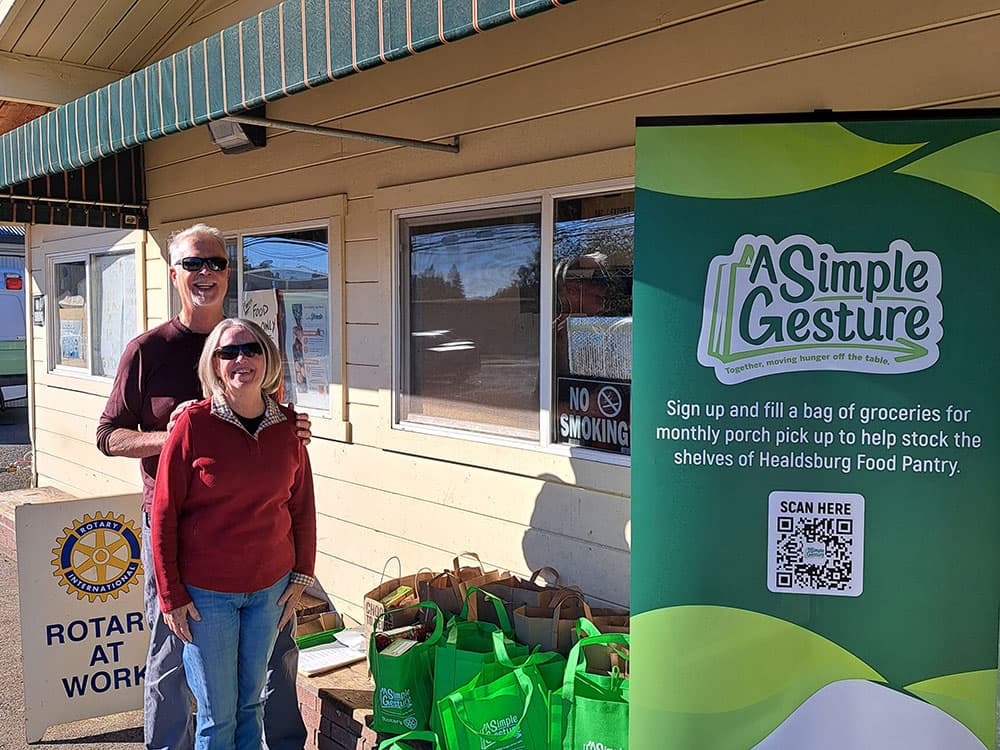
Donors leave food outside their doors, volunteers collect it, and A Simple Gesture also recovers surplus food from grocery stores, restaurants, caterers, corporate cafeterias, and other sources. The latest nonprofit compensation data points to a hard reality for organizations built this way: if pay, benefits, and workload do not line up, the program itself gets less stable.
Nonprofit leaders are increasingly using total rewards to protect retention, preserve institutional memory, and keep mission operations from slipping when staffing gets thin.
What the nonprofit survey says
OneDigital’s 2026 Nonprofit Total Rewards Practices Survey drew insights from more than 300 nonprofit, association, and social impact organizations nationwide. Released on January 30, 2026, the survey found that 61% of organizations were actively gathering employee feedback through surveys, focus groups, and utilization data. It also found that 47% were increasingly expanding executive employee benefits.
The survey is not only about salary bands. It points to a wider compensation conversation that includes insurance, retirement, paid time off, remote work, flexible schedules, and retention and referral bonuses, all of which shape whether people stay in mission-driven jobs long enough to build expertise.
Sidney Abrams of OneDigital’s Nonprofit Center of Excellence said, “people strategy is mission strategy.”
Why this lands so hard at A Simple Gesture
A Simple Gesture has operated in Guilford County since 2015. The organization is always in need of drivers to help collect food and deliver it to pantry partners.
A missed shift, a vacant coordinator role, or a burned-out driver can ripple through route planning, pantry deliveries, and the organization’s ability to keep its food recovery schedule reliable. In a chapter-based network, turnover means lost local knowledge about routes, donor habits, pantry timing, and which neighborhoods need the most attention.
A Simple Gesture says it has more than 60 chapters across the country and has provided over 7 million meals. The program depends on people who can be trained, retained, and trusted to keep logistics tight.

What total rewards can change on the ground
At a nonprofit like A Simple Gesture, total rewards can determine whether a coordinator stays long enough to train volunteers properly and whether a staff team can spend time building pantry partnerships instead of constantly backfilling daily tasks.
The survey’s emphasis on employee feedback also matters in a volunteer-heavy workplace. If leaders are using surveys, focus groups, and utilization data, they are signaling that retention problems are not being treated as a mystery to solve after the fact. They are being tracked as an ongoing operational risk. That can help identify whether people need more predictable schedules, better health coverage, or simply enough flexibility to keep doing the work without burning out.
When 47% of organizations are expanding benefits at the top, leadership teams are trying to hold onto people who carry a lot of institutional knowledge. For a nonprofit food recovery network, that knowledge affects partnerships, routing, volunteer scheduling, and how quickly a chapter can respond when demand spikes.
The broader compensation picture is wider than pay
A related 2026 Nonprofit Compensation and Benefits Report from the ASU Lodestar Center for Philanthropy and Nonprofit Innovation broadens the lens even further. Published in May 2026 and compiled every two years, it covers more than 50 nonprofit job positions and includes findings on retirement, insurance, paid time off, remote work, flexible schedules, retention bonuses, and referral bonuses.
Nonprofit workers are comparing full packages, not just base pay. For A Simple Gesture and organizations like it, a mission may bring people in, but the day-to-day package helps decide whether they stay. In a market where workers can weigh commute, flexibility, and benefits against purpose, the old assumption that mission alone will carry retention is no longer enough.
What leaders should watch next
For A Simple Gesture, the management question is how compensation, benefits, and work design keep the route system and pantry partnerships functioning without constant disruption. That means treating driver recruitment, coordinator retention, and benefits design as connected pieces of the same operation.
This article was produced by Prism’s automated news system from verified source data, official records, and press releases, then run through automated quality and moderation checks before publishing. The system is built and supervised by the people who set the standards it runs under. Read our full AI policy.
Did this article answer your question?