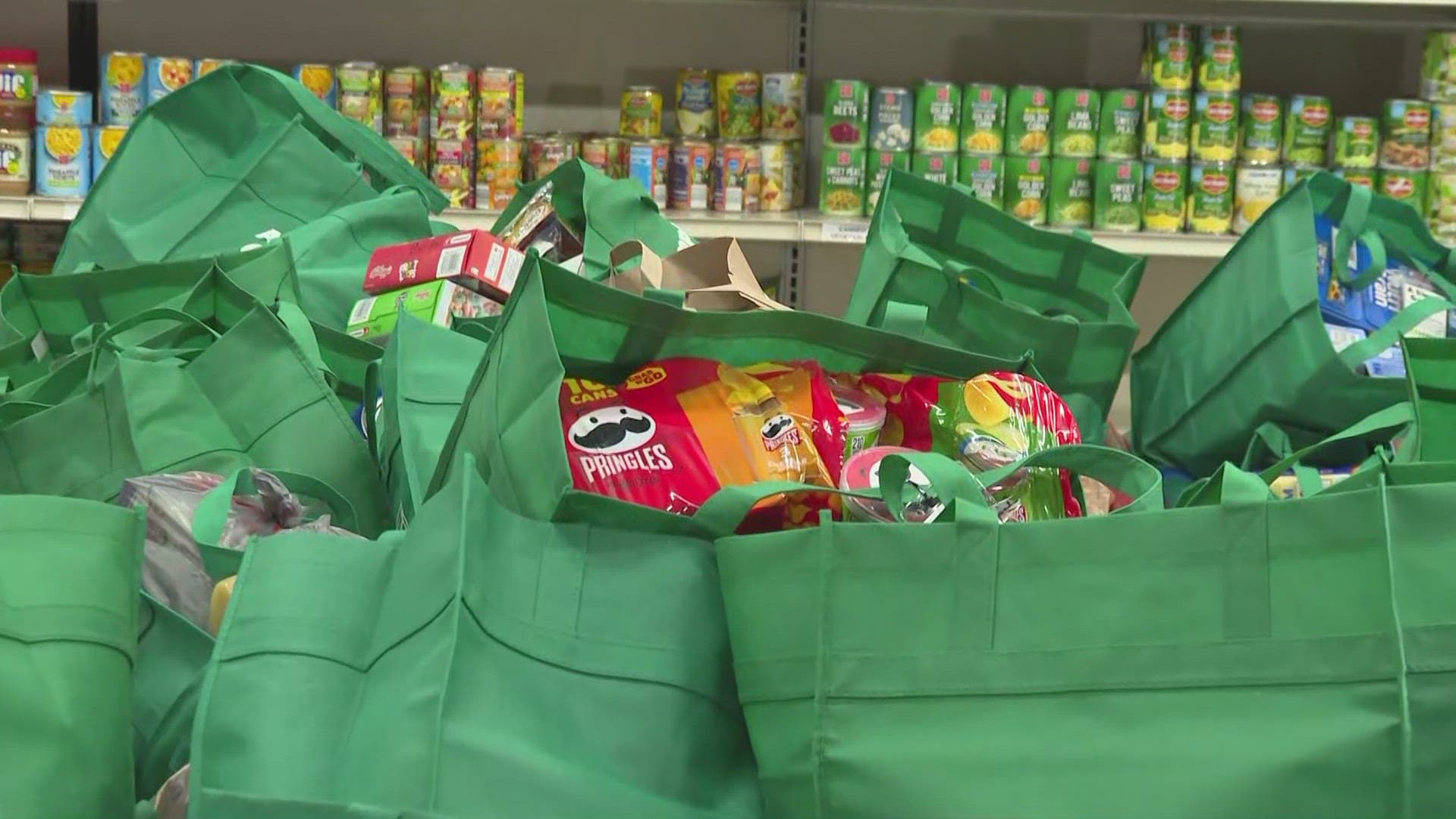
A Simple Gesture sees food donations as a health intervention
A Simple Gesture’s green bags can do more than stock pantries. Feeding America’s Food as Medicine model shows food recovery is increasingly judged by health outcomes, not just meals.
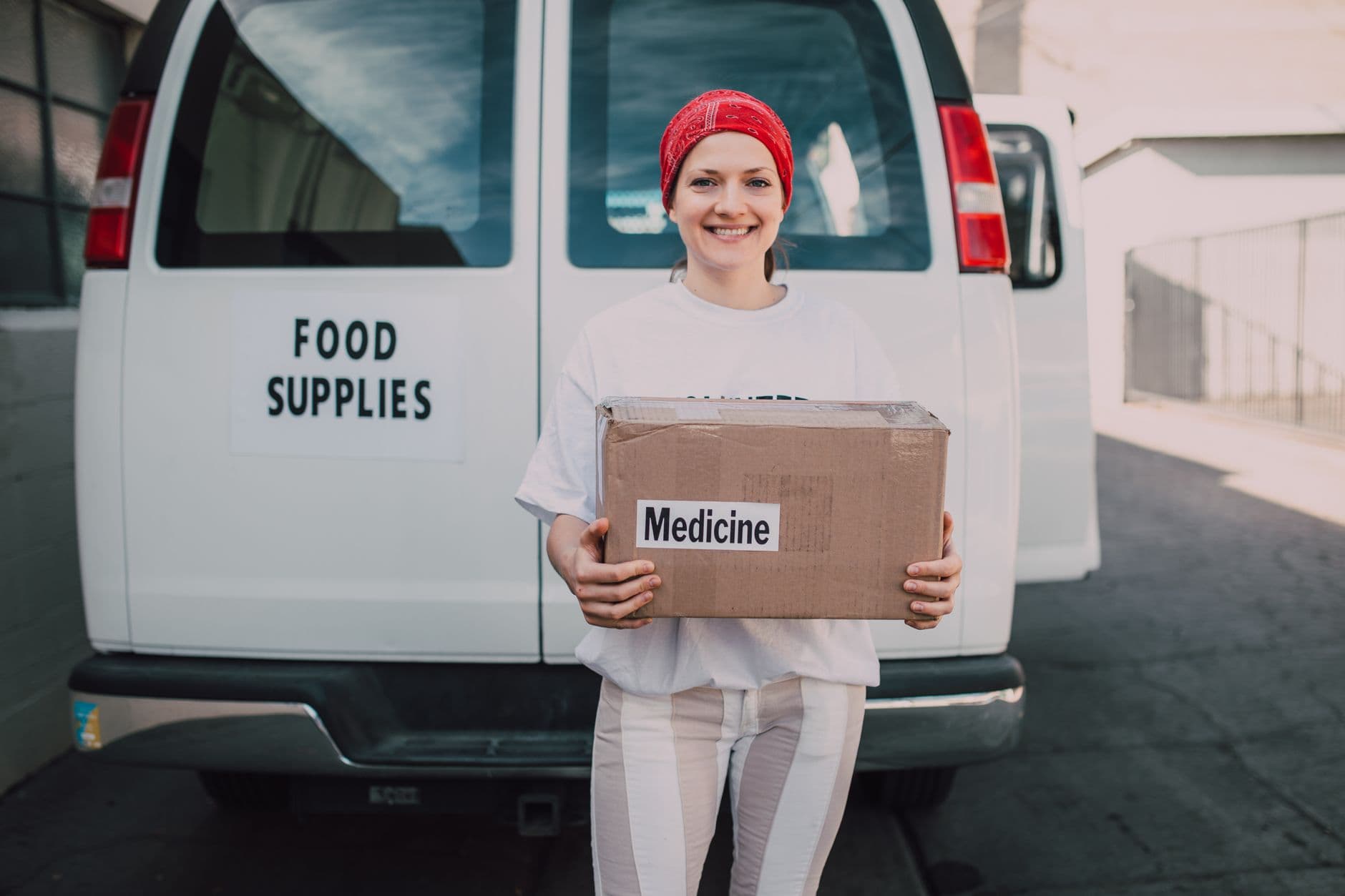
A Simple Gesture’s porch-side green bag already turns neighborhood generosity into a logistics operation. Food relief is increasingly being judged by more than pounds collected: access to healthy food is linked to physical and mental health, chronic disease management, and longer-term stability.
Food relief is being measured like care
Feeding America funded its Food as Medicine initiative with a $14.1 million grant from Elevance Health Foundation; the money carries the program through 2025. The work is designed to help more than 20 partner food banks collaborate with health-care partners, pushing hunger relief into the same conversation as prevention and care coordination.
Later Feeding America materials referred to the effort as Food as Medicine 3.0, with 21 partner food banks participating. Elevance Health Foundation later counted over a million patients screened for food insecurity and connected to food assistance.
For A Simple Gesture, the same model fits an organization that already depends on coordination between households, volunteers, route leaders, and pantry partners. When food access is treated as part of health support, the green bag program becomes easier to explain to donors who want to know not just how much food moved, but what kind of food reached neighbors who need it.
What it means for green bag pickups and volunteer training
Volunteers often want a simple answer to a basic question: why do some donated items matter more than others? The Food as Medicine model gives one. Access to healthy, nutritious food is tied to better physical and mental health for people experiencing food insecurity, so food choices can be discussed in terms of daily functioning and chronic disease management, not just caloric intake.
For A Simple Gesture, that can sharpen donation messaging around items such as lower-sodium soups, whole grains, beans, and shelf-stable proteins. Those categories are useful because they fit pantry storage realities and because they line up with the kind of food that health-focused partners are increasingly trying to move into households that face both food insecurity and diet-related illness.
That same lens can make volunteer recruitment and retention easier. People tend to stay engaged when they understand why the work matters, and route coordination becomes more meaningful when drivers and pickup teams can see the connection between a porch-side green bag and a pantry shelf stocked with lower-sodium soups, whole grains, beans, and shelf-stable proteins.
Partnerships are where the model scales
Elevance Health Foundation has backed work connecting food access and health care since 2004. The foundation’s support includes grants, employee matching gifts, and volunteer programs.
That mix of support is especially relevant to a nonprofit like A Simple Gesture, where food recovery depends on participation from households and the people who coordinate them. If a local employer wants its giving to matter, the Food as Medicine model suggests pairing donations with employee volunteer days, matching gifts, and pantry partnerships that can point staff toward the kinds of food most likely to support health.
Feeding America announced a 2024 partnership with the U.S. Department of Health and Human Services to advance Food is Medicine work, and the organization published an evidence review in March 2021 focused on improving food security and health outcomes through food bank and health-care partnerships.
Scale is what makes the shift hard to ignore
Feeding America is the nation’s largest domestic hunger-relief organization, working through more than 250 food banks and 60,000 faith-based and community partners. Map the Meal Gap put the U.S. food insecurity rate at 14.3% in 2023.
Under CEO Claire Babineaux-Fontenot, Feeding America has increasingly framed access to nutritious food as part of health equity work and argued that ending hunger also means confronting the country’s nutrition crisis. That is the context A Simple Gesture can borrow from when talking to food pantry partners, civic groups, and workplace donors.
This article was produced by Prism’s automated news system from verified source data, official records, and press releases, then run through automated quality and moderation checks before publishing. The system is built and supervised by the people who set the standards it runs under. Read our full AI policy.
Did this article answer your question?