How outreach coordinators help A Simple Gesture engage communities
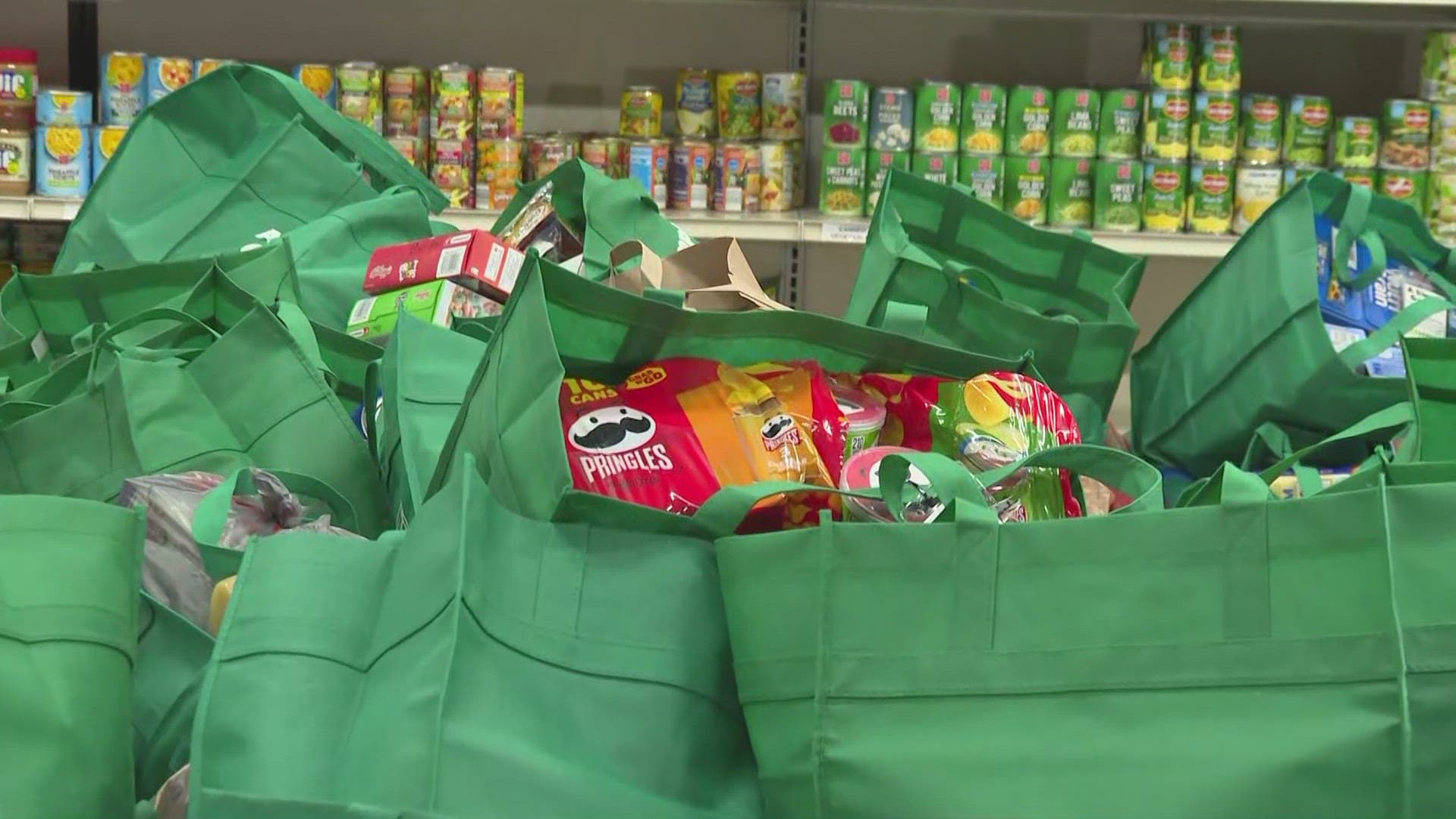
At A Simple Gesture, outreach coordinators keep the green-bag model moving by lining up volunteers, pantry partners, and consistent community messaging.

A Simple Gesture’s green-bag model depends on households, volunteers, and pantry partners understanding their part in the chain. The organization describes its work as “engaging the community to end hunger in Guilford County.” An outreach coordinator helps the neighborhood side of that mission connect to the operational side.
What the role actually solves
In a small nonprofit, outreach is not just promotion. It is the work of making sure people know how to participate, why the process matters, and what happens after they sign up. The role sits at the intersection of communications, volunteer management, event support, and partnership building, which fits a food-recovery nonprofit especially well.
At A Simple Gesture, that means helping a household understand the Green Bag Food Donor Program, helping a volunteer find the right task, and helping a pantry partner trust that donations will keep moving. Its green-bag program lets people donate food easily from their doorstep, so the outreach function has to make a simple process feel clear, reliable, and worth repeating.
Why the job fits A Simple Gesture’s model
A Simple Gesture’s structure makes outreach part of the operational backbone. The site includes pages for food drives, sponsors and partners, refugee feeding, news, contact, and annual impact reports. It has three food collection programs, so someone in outreach has to be able to explain which program fits which donor, volunteer, or partner.
Food recovery depends on consistency. A household may be willing to donate once, but a strong outreach coordinator helps turn a one-time action into a routine. The same is true for pantry partners: clear communication about collection days, donor participation, and where food goes makes the relationship easier to sustain.
What the day-to-day work looks like
For A Simple Gesture, an outreach coordinator would spend a lot of time on follow-up. That could mean confirming a food drive with a neighborhood group, checking on a sponsor, helping sign up new donors, or making sure a volunteer understands the next pickup route. The volunteer page shows that volunteers can drive for Green Bags food donors and for food recovery programs, and it also lists bag sorting and folding, special projects, and help with new donor sign-ups.
If a household puts out a green bag and nobody explains the next step, participation drops off. If a volunteer driver does not know the route or timing, the recovery chain gets strained. Outreach helps prevent those gaps by keeping messages, calendars, and contacts aligned.
The logistics behind a simple donation
The green bag model looks easy from the street, but it depends on disciplined handling behind the scenes. Food is collected from donors and delivered directly to food pantries, and the Reston affiliate does not store or distribute food but takes it directly to pantries on collection days. That direct-to-pantry approach gives outreach coordinators a practical talking point: donors can understand that their contribution is moving quickly into the system rather than sitting in storage.
That same clarity helps when recruiting volunteers. Someone signing up to help needs more than a generic appeal. They need to know whether they are driving, sorting, folding bags, staffing an event, or helping with donor outreach. When roles are defined well, the organization can recruit people for the task they are most likely to keep doing.
Skills that matter more than a polished pitch
The best outreach coordinators bring organization, empathy, follow-through, and comfort with a lot of moving pieces. At A Simple Gesture, that means working across volunteers, pantry partners, community groups, and internal staff without letting the message drift. The role also requires enough operational understanding to speak confidently about pickup timing, donation handling, and the organization’s food-recovery workflow.
A Simple Gesture’s community-facing pages show a wide footprint, from food drives to partner management to refugee feeding. Someone in outreach has to keep those efforts legible to the public so the organization does not feel scattered, even when the work spans several programs.
Why it can be a strategic hire, not a catch-all title
In a small organization, outreach can become a catch-all if the responsibilities are not defined. But at A Simple Gesture, the role can be strategic because it ties together donor recruitment, volunteer retention, pantry relationships, and message consistency.
A Simple Gesture started in 2011 in Paradise, California, by Jonathan Trivers. Since 2015 it has been engaging the community to end hunger in Guilford County.
What staff and volunteers can learn from the role
For people already involved with A Simple Gesture, outreach is a useful lens for seeing how the organization actually works. Volunteer drivers, people sorting and folding bags, partners running food drives, and staff tracking impact reports all depend on clear information moving in both directions.
This article was produced by Prism’s automated news system from verified source data, official records, and press releases, then run through automated quality and moderation checks before publishing. The system is built and supervised by the people who set the standards it runs under. Read our full AI policy.
Did this article answer your question?