Feeding America awards $4 million to advance hunger equity
Feeding America put more than $4 million into a second round of equity grants, pushing hunger relief groups to track race, ethnicity and neighborhood reach.
Feeding America said it has awarded more than $4 million in a second round of Food Security Equity Impact Fund grants aimed at food insecurity disparities by race and ethnicity. The second round includes 10 food banks, and the announcement said first-round grantees will gather in Houston from July 25 to 28 to connect, reflect and learn from one another.
The money sits inside a fund that Feeding America established in 2021 with a transformational gift from philanthropist MacKenzie Scott. In its 2022 launch of initial grants, the network said it awarded $9.9 million to 25 food banks partnering with community-based organizations, part of a system that spans 200 food banks, 21 statewide associations and 60,000 partner food pantries and meal programs. Feeding America’s race and food insecurity research page, along with USDA Economic Research Service materials, underscore why the fund is structured around race and ethnicity: food insecurity does not hit U.S. households evenly.
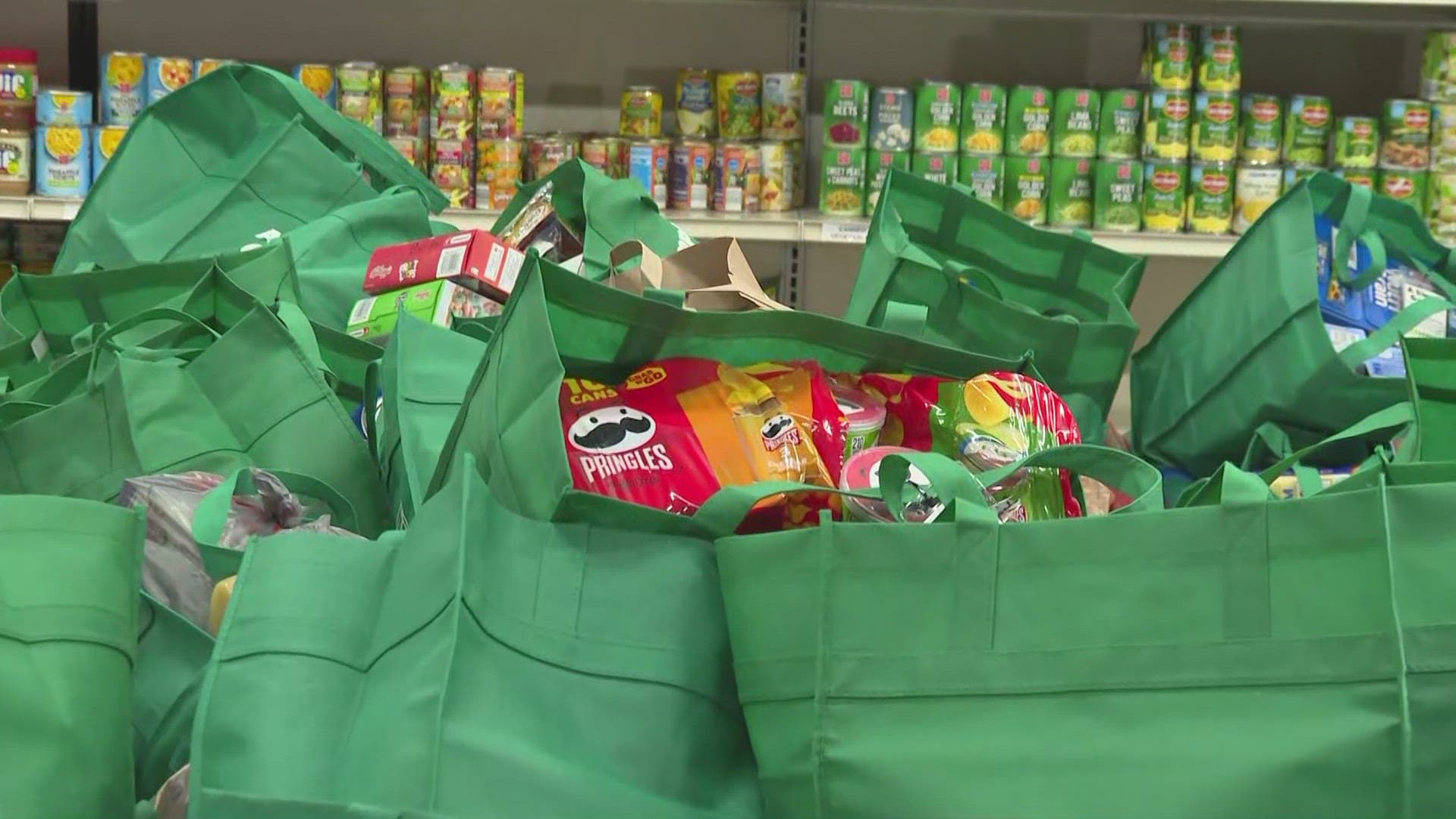
For A Simple Gesture, the national grant is less a headline about philanthropy than a reminder that hunger relief is an operating model. The organization, founded in 2011 by Jonathan Trivers in Paradise, California, runs a Green Bag Food Donor Program that lets households donate from their doorstep, a low-barrier system that depends on route timing, volunteer reliability and neighborhood trust. In Greensboro and Guilford County, A Simple Gesture says its mission is to engage the community to end hunger by providing a sustainable supply of food to local nonprofits, and related materials say it works with dozens of local food pantries and replenishes pantry shelves with food collected from donors.

That is where an equity grant program matters to day-to-day work. If food insecurity varies by race and ethnicity, then a door-to-door nonprofit cannot treat every block the same. Staff have to know which neighborhoods hear about the Green Bag program, which households keep using it, what languages are needed, what foods donors are most likely to give and whether pantry partners can use that mix. The operational burden falls on coordinators, route planners and volunteer managers, who need better data collection and culturally competent outreach if the organization is going to expand without missing the communities most likely to be left out.
The Houston convening points to another shift that smaller food-recovery groups can borrow from: peer learning as infrastructure. When grantees compare what worked, they can refine outreach, strengthen partnerships with community organizations and adjust logistics before problems harden into habits. For A Simple Gesture, the lesson is practical rather than abstract: neighborhood relationships, pantry ties and volunteer retention are not side tasks. They are the mechanism that determines whether equity goals reach the porch, the pantry shelf and the household that needs the bag.
This article was produced by Prism’s automated news system from verified source data, official records, and press releases, then run through automated quality and moderation checks before publishing. The system is built and supervised by the people who set the standards it runs under. Read our full AI policy.
Did this article answer your question?