SHRM wellness guidance helps nonprofits build healthier workplaces
SHRM’s wellness guidance fits A Simple Gesture’s reality: route coordination, pantry partners and volunteer pickups can wear people down. The answer is culture, support and heat-safe routines, not perks alone.

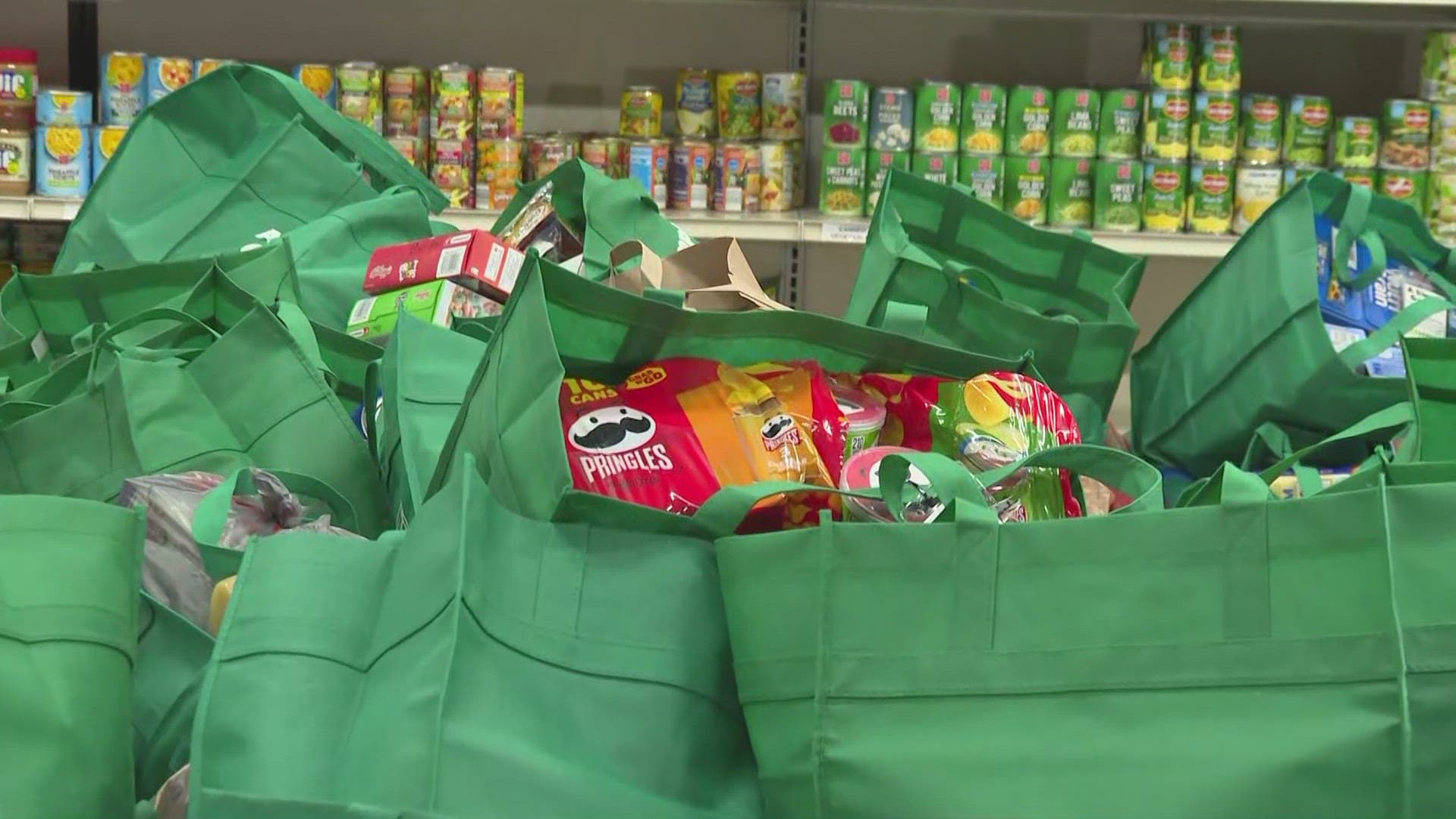
At A Simple Gesture, wellness is not a perk layered onto the work. It is what keeps volunteers, coordinators and staff able to keep green bags moving, routes on schedule and pantry partners supplied in Guilford County. SHRM’s wellness guidance fits that reality because it treats well-being as a condition for doing the job, not a reward for finishing it.
Wellness has to match the pace of food recovery
A Simple Gesture describes itself as a community effort to end hunger in Guilford County, and its work depends on a constant chain of logistics: collecting doorstep donations, coordinating pickups, communicating with volunteers, adjusting routes and supporting pantry partners. The organization says it runs three programs, Green Bag Food Donors, Food Recovery and SHARE, and its Food Recovery page centers on keeping good food out of landfills and into the community with the message “feeding not wasting.”
That matters because the daily load is not just physical. Staff can spend much of the day solving small problems before they become missed pickups or empty shelves, while volunteers may deal with heat, lifting, scheduling fatigue and repeat route demands. In a mission-driven workplace like this, burnout often hides behind dedication, especially when every task feels tied directly to feeding neighbors.
SHRM’s guidance points past perks
SHRM’s wellness toolkit on designing and managing effective wellness programs is useful here because it pushes beyond gym discounts and step challenges. The organization also offers a toolkit for creating a mental-health-friendly workplace, which reinforces that wellness is broader than fitness alone. That broader framing matters for nonprofits, where the stress is often emotional, operational and relational rather than simply sedentary or physical.
SHRM’s own coverage has reflected a shift from narrow wellness perks toward broader “well-being” approaches, and that is the right lens for a food-recovery nonprofit. A healthy program is not defined by the number of incentives attached to it. It is defined by whether employees can keep doing the work without getting worn out by the way the work is organized.
Support from managers changes participation
The biggest lesson from the evidence is that availability alone does not get people to use a wellness program. A brief report published by MDPI on July 20, 2023 found that perceived workplace support affects whether employees participate in wellness programs. In plain terms, people are more likely to engage when supervisors and leaders signal that using the program is normal, useful and safe.
That finding is especially relevant for A Simple Gesture, where staff and coordinators may already feel pressure to keep volunteer calendars full and pantry commitments on track. If managers act as though breaks, counseling resources or schedule flexibility are optional extras, employees will read the signal quickly. If managers model participation, protect time for it and talk about it in ordinary terms, participation becomes part of the culture rather than a private exception.
What a realistic wellness program looks like on the job
For a nonprofit like A Simple Gesture, the most useful wellness program is one that changes the workday, not one that decorates it. That can include:
- Normalized breaks during route planning, volunteer calls and pantry coordination
- Reasonable workload targets that account for pickup changes and last-minute coverage gaps
- Time-off norms that do not punish people for stepping away
- Manager check-ins that make it safe to say a route, shift or process is no longer sustainable
- Basic ergonomic tools and lifting guidance for staff and volunteers handling food donations
Those basics matter more than one-off perks because they reduce the likelihood that the same people will be stretched thin every week. In a volunteer-powered operation, good retention is built when people can imagine returning next month and next season without dreading the toll.
Heat safety belongs in the wellness conversation
A Simple Gesture’s volunteer work can involve outdoor pickups, moving donations and summer route coordination, which makes heat safety part of workplace wellness whether the organization labels it that way or not. OSHA and CDC both maintain official heat-safety guidance for outdoor work and volunteer shifts, and that guidance is relevant whenever people are lifting, loading or traveling in hot weather.
For a nonprofit that relies on volunteer drivers, clear reminders about hydration, shade, pacing and heat illness symptoms are not trivia. They are prevention. When staff are the ones organizing those shifts, they also need the same protections, especially during periods when community need rises and the pressure to keep moving can override common sense.
Why this is also a retention strategy
Wellness in a mission-driven workplace is often discussed as a morale issue, but the operational payoff is easier to see at A Simple Gesture. When employees feel supported, they are more likely to stay, learn the system, handle route disruptions calmly and help volunteers feel confident coming back. The same is true for volunteer retention: people return when the experience feels organized, respectful and humane.
That is why SHRM’s emphasis on broader well-being fits nonprofits better than the old perk model. The 2023 MDPI brief report makes the culture piece impossible to ignore, because support from leadership is part of what gets people to participate in the first place. At A Simple Gesture, where every pickup, pantry relationship and green bag donation depends on reliable people, wellness is not separate from mission delivery. It is the infrastructure that keeps the mission from consuming the workforce that carries it.
This article was produced by Prism’s automated news system from verified source data, official records, and press releases, then run through automated quality and moderation checks before publishing. The system is built and supervised by the people who set the standards it runs under. Read our full AI policy.
Did this article answer your question?