A Simple Gesture tightens HR compliance to reduce nonprofit risk
A Simple Gesture’s mission depends on tight paperwork as much as green bags. Current hiring, handbook, and volunteer rules can keep small lapses from becoming trust or liability problems.
Why compliance matters when the workforce is mostly volunteers
A Simple Gesture’s model is built on trust: neighbors leave green bags at the door, volunteers pick them up, and pantry partners get food that can still do real good. That same trust can fray fast if HR rules are fuzzy, outdated, or applied inconsistently. For a food-recovery nonprofit, messy paperwork is not a back-office annoyance. It can shape how people are hired, trained, disciplined, paid, and protected.
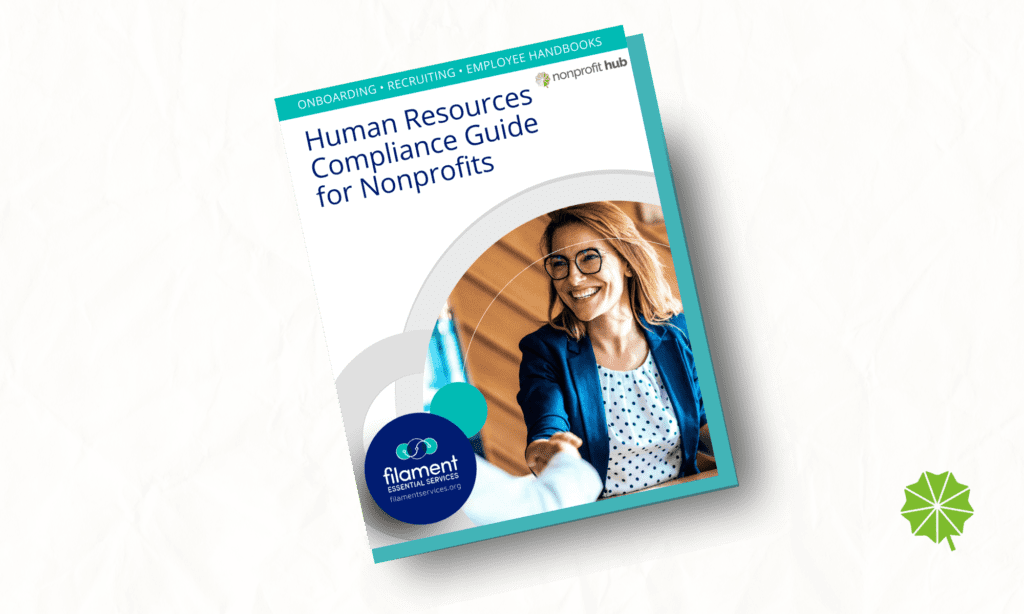
That is the core lesson in Nonprofit Hub’s human resources compliance guide for nonprofits: mission-driven work still needs solid HR fundamentals. The guide points to onboarding, recruiting, and employee handbooks as the places where nonprofits most often stumble, especially because laws change frequently and handbooks need regular review. In a small operation, those gaps can look minor at first, then turn into confusion for staff, volunteers, and coordinators trying to keep routes moving and pantry deliveries on schedule.
Where everyday policy gaps start to cause trouble
The most common problems are not dramatic. They show up in ordinary moments: a new hire is never told how leave is handled, a volunteer is asked to do something that sounds like employee work, a pay practice is copied from an old document, or a discipline process is handled differently from one person to the next. Nonprofit Hub frames compliance as a way to build a fair, respectful workplace, not as a bureaucratic exercise.
That matters at A Simple Gesture because the organization relies on a mix of full-time staff, part-time workers, volunteers, interns, and temporary help. The more varied the workforce, the more important it is to spell out who reports to whom, what the job is, what conduct is expected, and what happens when someone cannot complete a route or misses a shift. Clear rules keep the mission from depending on memory, improvisation, or whoever happens to be on duty that day.
Hiring and onboarding need to be current, not ceremonial
Nonprofit Hub says effective onboarding should set expectations and support new hires, while recruiting must be handled with non-discrimination and legal compliance in mind. That sounds basic, but it is exactly where many nonprofits drift. If the handbook still describes a route system that no longer exists, or if a new coordinator is trained on old practice instead of current policy, the organization is already inviting inconsistency.
For A Simple Gesture, onboarding should reflect the actual rhythm of the work. A volunteer driver needs to understand route timing, communication norms, what to do if a pickup is missed, and who can make decisions when a pantry schedule changes. A staff member coordinating those drivers needs the same clarity, plus documented authority over scheduling, reporting, and escalation. The point is not to turn food recovery into a law firm. It is to make sure the operation runs on rules that match reality.
Employee handbooks should move with the law, not behind it
One of the clearest warnings in the nonprofit compliance guide is that employee handbooks require regular review and updates because laws change frequently. That is especially important in organizations where the same handbook may be expected to cover office staff, field coordinators, and people who spend part of the week on the road. If the document has not been revisited in a while, it can quietly become obsolete in areas that matter most: leave, mileage, reporting lines, conduct, or documentation.
A Simple Gesture should treat the handbook as a working tool, not a shelf item. Review it before peak season, before a route change, and before any new program launch. That habit reduces the risk that a manager will enforce an outdated rule, or that a volunteer will be told one thing while a staff member is told another. In a community-facing nonprofit, inconsistency is not just inefficient. It can erode credibility with donors, pantry partners, and the volunteers who make the whole system run.
The legal line between volunteers, interns, and employees is not casual
Federal guidance makes clear that the rules are not optional just because the organization is tax-exempt. The IRS says nonprofits with employees still have to determine employee status, verify work eligibility, withhold taxes, and file required wage reports. The U.S. Department of Labor says the Fair Labor Standards Act applies to nonprofit organizations, including minimum wage, overtime, recordkeeping, and child labor standards.
That is where many mission-driven groups get tripped up. The Department of Labor treats unpaid volunteer work differently from employee labor, and its guidance says interns may be unpaid only in limited circumstances. For a nonprofit like A Simple Gesture, that means job descriptions, scheduling, supervision, and compensation practices need to match the actual role, not just the spirit of service around it. If someone is doing employee-like work under a volunteer label, the organization has a problem long before anyone files a complaint.
Volunteer driving, mileage, and safety deserve plain language
A Simple Gesture’s Guilford County food recovery work depends on volunteer weekday drivers, and the requirements are specific: drivers must be age 18 or above, use a clean personal car, carry a smartphone, and wear closed-toe shoes. Those details may seem small, but they are exactly the kind of everyday standards that should be written down and kept current. If a rule is only remembered informally, it will be enforced unevenly.
Mileage is another place where unclear policy can create tension. North Carolina nonprofit materials say volunteer-mileage deductions are 14 cents per mile, while the National Council of Nonprofits says a 2025 bill, the Volunteer Driver Tax Appreciation Act, was reintroduced to raise that deduction to the IRS business rate, listed as 70 cents per mile in 2025. That difference matters to volunteers who drive their own cars, especially if they are covering multiple pickups or long neighborhood routes. A current policy should explain what is reimbursed, what is not, and how volunteers should track miles so they are not left guessing.
Food recovery also carries safety and liability questions
Food recovery is built on good intentions, but the legal and safety framework matters just as much. The EPA says community organizations and individuals can participate in local food rescue efforts, and that broad participation is part of what makes neighborhood food recovery work. At the same time, CDC guidance for food pantries and distribution sites says managers should protect the safety, health, and dignity of staff, volunteers, and clients.
There is also liability law to keep straight. ReFED says the Bill Emerson Good Samaritan Food Donation Act was originally passed in 1996 and later amended by the Food Donation Improvement Act in 2022. That legal protection helps many donors and nonprofit recipients when food is donated under the right conditions, but it does not replace the need for clear procedures. For A Simple Gesture, the practical answer is to keep donation handling, pickup, and pantry delivery rules aligned with current law and current practice.
The real payoff is trust, not paperwork
The larger point is simple: current policies are part of the mission. They help coordinators run routes without improvising the rules, help volunteers understand what is expected, and help staff handle hiring, discipline, and leave without guesswork. They also protect pantry partnerships, because food recovery only works when every link in the chain feels reliable.
North Carolina nonprofit leaders have been pointing to this for years through compliance checklists and employment-law handbooks, but the urgency has only increased as workforces become more mixed and operating models more complex. For A Simple Gesture, tightening HR compliance is not about adding bureaucracy to a good cause. It is about making sure the green bag program, the pantry network, and the people who power them can keep working without preventable confusion or avoidable risk.
This article was produced by Prism’s automated news system from verified source data, official records, and press releases, then run through automated quality and moderation checks before publishing. The system is built and supervised by the people who set the standards it runs under. Read our full AI policy.
Did this article answer your question?