Nonprofit HR survey finds nonprofits expanding employee benefits in 2026
Nonprofit HR says 47% of nonprofits are expanding benefits, as workers demand more support and budgets tighten.
Benefits are becoming a credibility test for mission-driven employers, and Nonprofit HR’s 2026 survey says nonprofits are answering with broader coverage, more employee input, and sharper trade-offs. In a survey of more than 300 nonprofits, 47% said expanding employee access to benefits was their top priority for 2026, while 61% said they are actively gathering feedback through surveys, focus groups, and utilization data.
The shift goes beyond offering the basics. Nonprofit HR said core coverage such as medical, dental, vision and retirement remains common, but gaps still show up in disability, life insurance and family-building benefits. Affordability remains uneven too: 43% of organizations cover 75% to 99% of employee-only medical premiums, while 38% cover 50% to 74%. That leaves dependent coverage, often the costliest part of a package for working parents and caregivers, as one of the clearest places where values can collide with budgets.
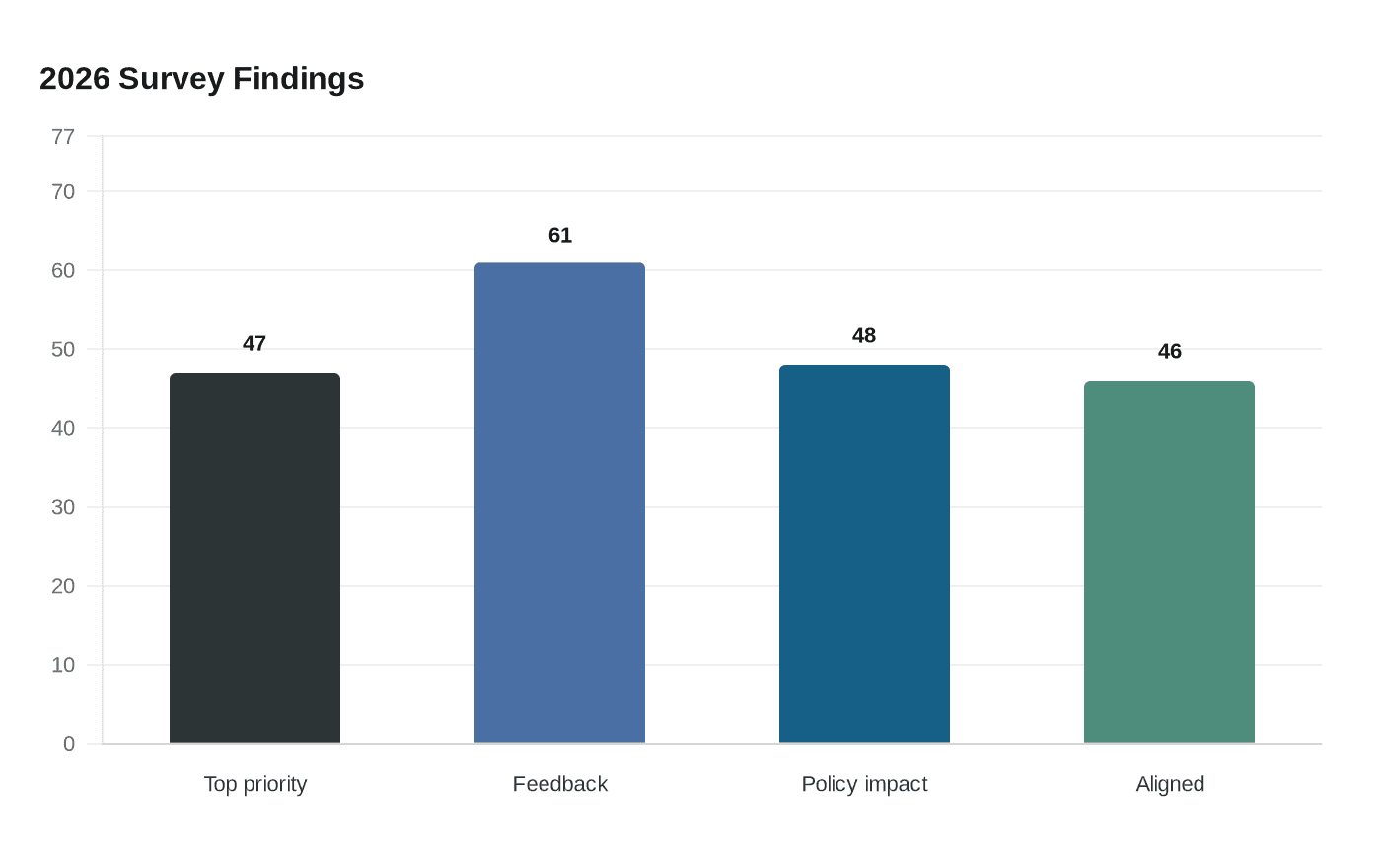
The pressure is sharper across the sector. Nonprofit HR said 48% of respondents believe recent federal policy changes reduced their ability to offer competitive rewards. Another 24% said they eliminated positions, 16% froze raises and 9% restructured benefits. Only 46% said their total rewards strategy was aligned with long-term sustainability, a sign that many nonprofits are trying to hold onto staff without promising more than their finances can support.
That tension is familiar in food recovery work, where turnover can disrupt route schedules, volunteer coordination and pantry deliveries. A Simple Gesture-Guilford County, established as a 501(c)(3) in 2015 on top of a food-collection model that began in 2011, says its mission is to end hunger in Guilford County by supplying food to local pantries, community meals and the Guilford County Schools SHARE program. In a small operation like that, every staffing decision affects whether green bag pickups happen on time and whether pantry partners can count on steady deliveries.
The National Council of Nonprofits has warned that nonprofits are not exempt from state or federal employment laws, and its 2023 workforce survey found that staffing shortfalls can mean longer waiting lists, reduced services and sometimes the elimination of services. It also found that 14.6% of nonprofits said lack of child care affected recruitment and retention. For organizations like A Simple Gesture, that makes benefits more than an HR perk. Flexibility, dependent coverage and other forms of support can determine whether caregivers stay, whether coordinators can manage routes, and whether the culture that nonprofits advertise is actually felt by the people doing the work.
This article was produced by Prism’s automated news system from verified source data, official records, and press releases, then run through automated quality and moderation checks before publishing. The system is built and supervised by the people who set the standards it runs under. Read our full AI policy.
Did this article answer your question?