A Simple Gesture urged to review worker classifications amid nonprofit risks
A Simple Gesture’s green-bag operation depends on recurring labor, and the wrong worker label can turn route support or project help into costly back-pay exposure.
A Simple Gesture’s green-bag operation depends on recurring labor, and the wrong worker label can turn route support or project help into costly back-pay exposure. In a nonprofit that moves food from doors to pantry partners on a steady schedule, classification is not paperwork. It is a budget decision that can pull money away from pickups, deliveries, and the volunteers who make them work.
Where nonprofit staffing mistakes get expensive
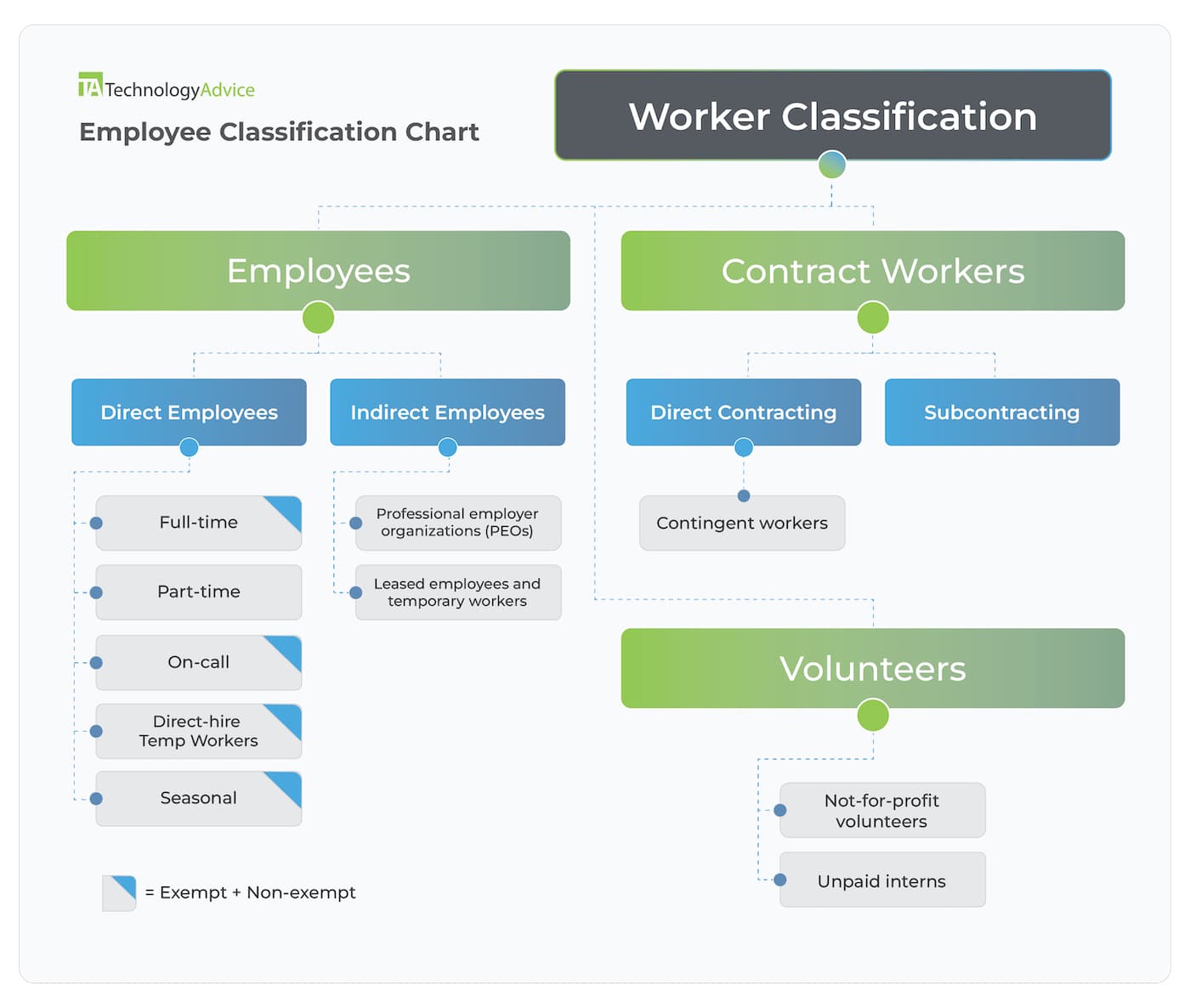
The National Council of Nonprofits warns that a nonprofit that treats a worker as an independent contractor when federal labor rules, IRS standards, or state wage laws would treat that person as an employee can trigger penalties, back taxes, back pay, and worker complaints at the same time. That sort of distraction strains a small mission-driven operation.
For A Simple Gesture, the risk is sharpened by the way the work is actually organized. The group relies on volunteers, but it also runs recurring donation pickups, pantry partnerships, communications, and route coordination. A worker who is doing ongoing labor for the organization, rather than a one-off project, needs a real classification review before anyone decides that a contractor label will fit.
The federal test now starts with economic reality
The U.S. Department of Labor published its final independent-contractor rule on January 10, 2024, and it took effect on March 11, 2024. That rule rescinded the 2021 independent-contractor rule and returned the focus to the Fair Labor Standards Act’s economic-reality analysis, where no single factor controls the outcome.
- opportunity for profit or loss
- investments
- permanence of the relationship
- control
- integral nature of the work
- skill or initiative
The six factors are straightforward, but the way they interact is not:
The label on a contract or invoice does not decide the legal result. What matters is how the work actually functions. If A Simple Gesture brings in route support every week, relies on a communications contractor to keep donor outreach moving, or assigns a temporary project staffer to work inside the organization’s core operations, the real relationship needs to be tested against the rule, not guessed at by title alone.
That is especially important in a nonprofit setting, where mission pressure can push managers to move fast. A good-faith staffing shortcut can still become an expensive correction later if the worker relationship looks more like ongoing labor than an independent business arrangement.
Why one review is not enough
The Department of Labor’s rule addresses classification under the FLSA, but that does not close the book. The IRS applies its own rules, and exempt organizations can be liable for employment taxes, plus interest and penalties, if a worker is incorrectly treated as an independent contractor. That means a nonprofit can get through one lens and still be exposed under another.

State law adds another layer. State definitions and wage rules can differ, which matters if work crosses jurisdiction lines or if a chapter grows beyond a single county. For a group like A Simple Gesture, that is not abstract compliance theory. A role that is acceptable in one state or under one test may need a different analysis somewhere else, especially if the organization uses seasonal help, short-term communications support, or project-based staffing across multiple communities.
The safest approach is to review the whole working arrangement, not just the label. Who sets hours, controls the process, trains the worker, and keeps the role going week after week are the questions that usually matter most. Once a nonprofit starts relying on the same person to fill a continuing operational need, the odds rise that the relationship looks like employment rather than contracting.
What A Simple Gesture’s scale changes about the risk
A Simple Gesture’s Guilford County chapter was established as a 501(c)(3) nonprofit in 2015, building on a model that began in 2011 with Jonathan Trivers. Its Guilford County site lists EIN 47-2995932 and a Greensboro physical address, and the organization works with local food pantries to run food recovery and donation programs in Guilford County.
That structure makes staffing decisions more than an internal HR issue. A network built around recurring doorstep pickups, pantry deliveries, and community donations cannot afford confusion about who is a volunteer, who is an employee, and who is a contractor. If someone is coordinating green-bag routes, managing donor communications, or covering temporary program administration, the work is tied directly to the organization’s core function, which is exactly the kind of role that should be reviewed before it is slotted into a contractor relationship.
The scale also raises the stakes. A Simple Gesture-affiliated chapter pages put the network at more than 65 communities, 70-plus chapters, or 80-plus communities, depending on the page. The group put its totals by late 2025 at more than 8 million child-size meals and $13 million in food value. When a model reaches that kind of footprint, a classification mistake does not stay local for long. It can spread across a wider set of chapters, routes, and program budgets.
What managers should check before assigning the next role
For A Simple Gesture coordinators and staff, the practical review starts with the actual job, not the optimism around it. Before someone is brought in to help with route support, communications, or a temporary program push, the organization should ask whether the work is truly a discrete service or part of an ongoing operation.
- Does the organization control the timing, method, or day-to-day process?
- Is the worker’s role recurring, or tied to a one-time project?
- Does the work sit inside the nonprofit’s core food-recovery mission?
- Is the person using their own investment and business structure, or mainly the nonprofit’s systems?
- Would the role still exist if the same person stepped away, or is the work inseparable from regular operations?
The review should press on the factors the Labor Department and the IRS care about:
Those questions are useful for volunteer coordinators, program leads, and anyone trying to keep green-bag pickups on schedule while protecting the budget.
This article was produced by Prism’s automated news system from verified source data, official records, and press releases, then run through automated quality and moderation checks before publishing. The system is built and supervised by the people who set the standards it runs under. Read our full AI policy.
Did this article answer your question?