A Simple Gesture uses nutrition guidelines to improve food bank ranking
Nutrition policy is becoming a logistics tool, not a slogan. For A Simple Gesture, the HER system cuts sorting guesswork and moves more useful food to families.
Nutrition policy as warehouse logic
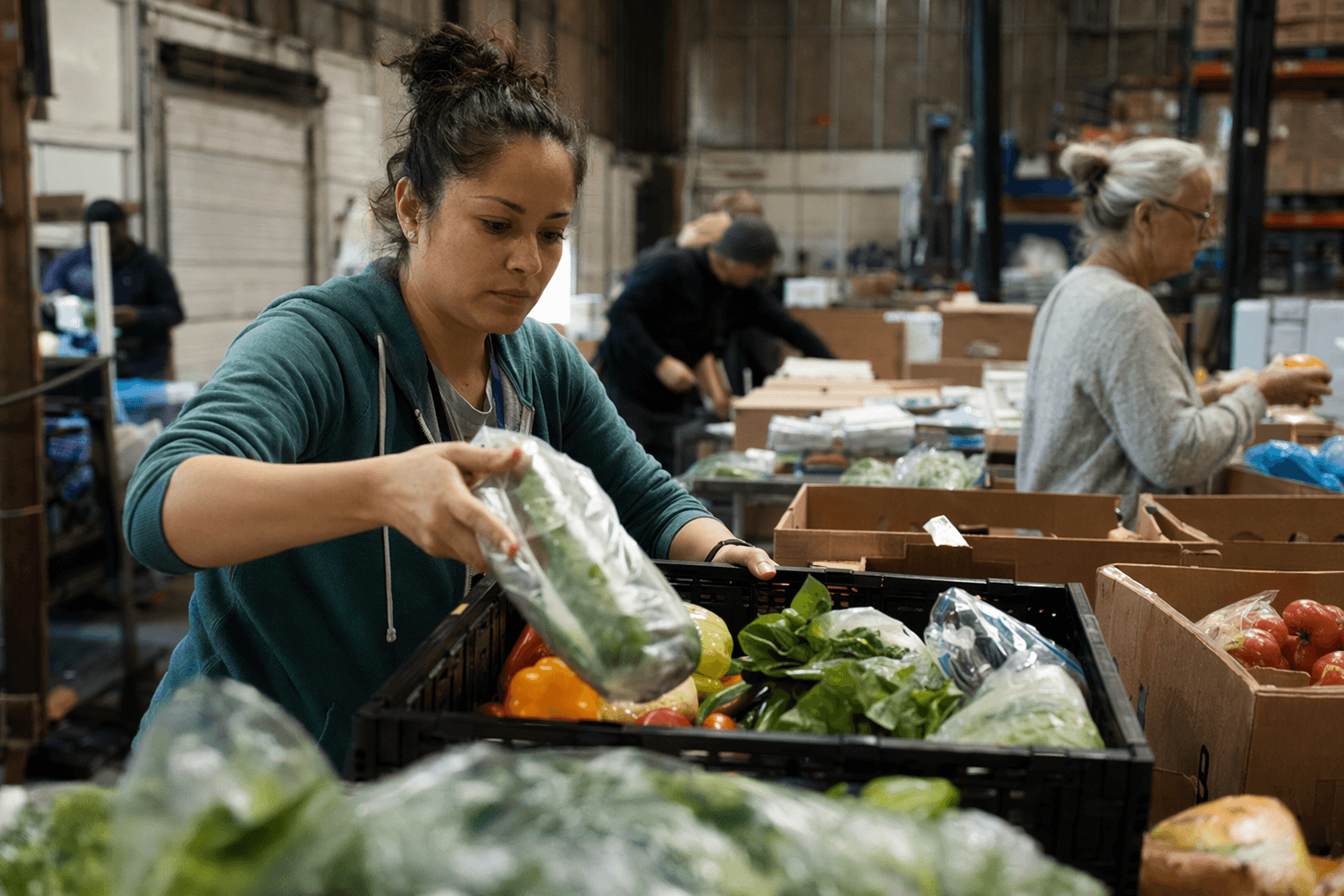
A Simple Gesture’s nutrition policy works best when it behaves like an operating system: one shared set of rules that tells staff, volunteers, and partner agencies what counts, what gets sorted, and what moves next. Healthy Eating Research built that framework to help food banks and pantries turn food quality into a working standard, not a debate at the sorting table.
The core idea is simple enough to teach quickly but detailed enough to shape real decisions. The HER Nutrition Guidelines use a green, yellow, and red stoplight system, where green means choose always, yellow means choose sometimes, and red means choose rarely. That structure matters because the charitable food system includes food banks, food pantries, and meal programs, and it distributes billions of pounds of food each year across the United States.
Why the ranking system matters on the ground
The value of the guidelines is not abstract. Fresh fruits and vegetables are usually easy to rank, but mixed dishes and processed items can create real ambiguity for staff and volunteers, especially when donations arrive in varied packaging and quantities. When a team does not share the same rules, it spends time debating individual items instead of moving food efficiently through the warehouse and on to agency partners.
For A Simple Gesture, that clarity matters even in a doorstep donation model built around the green bag program. The nutrition standards affect how donated food is described to donors, how it is interpreted at intake, and how confidently partner agencies can rely on what arrives. A shared ranking system also gives coordinators a cleaner way to talk with pantry partners about inventory mix, because the conversation becomes about categories and consistency rather than one-off judgments.
The framework behind the policy
Healthy Eating Research convened an expert panel in 2019 to build the guidelines for the charitable food system. The panel was co-chaired by Marlene Schwartz of the UConn Rudd Center for Food Policy and Health at the University of Connecticut and Hilary Seligman of the University of California, San Francisco. The full report was released in March 2020, and the point was clear from the start: improve the nutritional quality of foods available through food banks and pantries so people experiencing food insecurity have healthier choices.
That design goal is why the guidelines are useful as an operating tool. The UConn Rudd Center says the framework is meant to help food banks and pantries standardize ranking, benchmark progress, and share outcomes with partners. In practice, that gives organizations a common language for sourcing, inventory planning, and reporting, which is especially important when donations vary day to day and volunteers may change from shift to shift.
The implementation guide reduces confusion
The most practical piece of the system is the HER Implementation Guide. It was built from interviews with food banks across the country and analysis of inventory reports, which means it was shaped by the kinds of problems staff actually face, not just by theory. Its job is to help teams interpret labels, answer classification questions, and make rankings more consistent from one site or route to another.
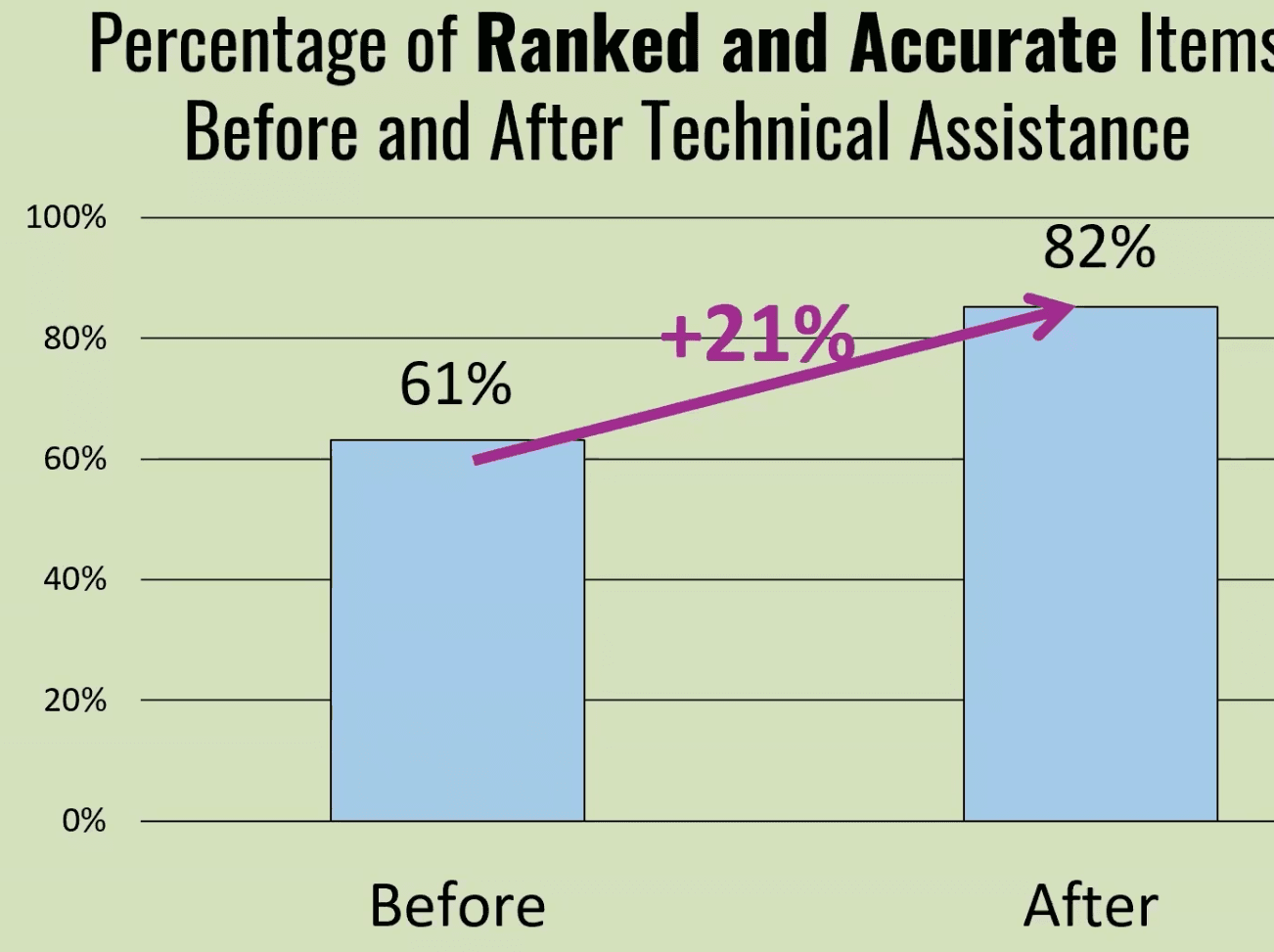
The reported impact is striking. Food banks that used one page of the guide cut their percentage of not-ranked items by half. They also increased correctly ranked items by 21 percentage points, and 88 percent of users said they felt more confident doing the rankings. For a nonprofit that depends on volunteers and quick turnaround, that confidence is not a soft benefit. It means fewer hold-ups at intake, fewer re-sorts, and less time spent fixing avoidable classification mistakes.
Why the rankings can be validated
The HER system is not just a sorting aid; it has also been tested as a measure of food quality. A 2022 validation study used data from 16 Minnesota food pantries and 503 client carts, and it found that HER tier rankings were positively associated with Healthy Eating Index-2015 scores for green foods and negatively associated with red foods. In plain terms, the ranking system tracked the nutritional quality of the food moving through the pantries in the direction it was supposed to.
That matters for agencies making ordering decisions. If a pantry or meal program can see that the ranking system aligns with nutritional quality, it can use the categories to shape what gets requested, what gets prioritized, and what should be sourced more aggressively. For warehouse teams, the ranking becomes part of the supply chain: it guides what enters the inventory mix and helps define what “better food” means in operational terms.
The bigger barrier is not philosophy, it is process
A 2023 scoping review of nutrition-focused food banking found that nutrition policies often remain informal and that weight-based success metrics can work against prioritizing healthier foods. That is an important warning for A Simple Gesture and similar organizations. If success is measured only by pounds moved, the system can reward volume without rewarding better nutrition.
The same review also points to the real-world constraints that keep formal policy from taking hold: donor relationships, volunteer capacity, and the unpredictability of donated food. Those are exactly the pressure points where a clear nutrition policy earns its keep. It helps coordinators explain standards to donors, gives volunteers a simpler decision tree, and reduces the chance that a random mix of donations will derail the quality of the inventory.
What this changes for A Simple Gesture
For A Simple Gesture staff, the practical lesson is that nutrition policy is not a branding document. It is a workflow tool that shapes what gets accepted, how it is sorted, and how confidently it can be passed along to pantry partners and families. The more clearly the organization uses the green, yellow, and red system, the less time it spends on item-by-item confusion and the more time it can spend building a reliable flow of food.
That is why the HER guidelines matter beyond the sorting table. They help standardize the way donors are guided, inventories are evaluated, and agency partners are served, which is exactly what a food recovery network needs when it wants to move beyond volume and make quality part of the daily routine.
This article was produced by Prism’s automated news system from verified source data, official records, and press releases, then run through automated quality and moderation checks before publishing. The system is built and supervised by the people who set the standards it runs under. Read our full AI policy.
Did this article answer your question?