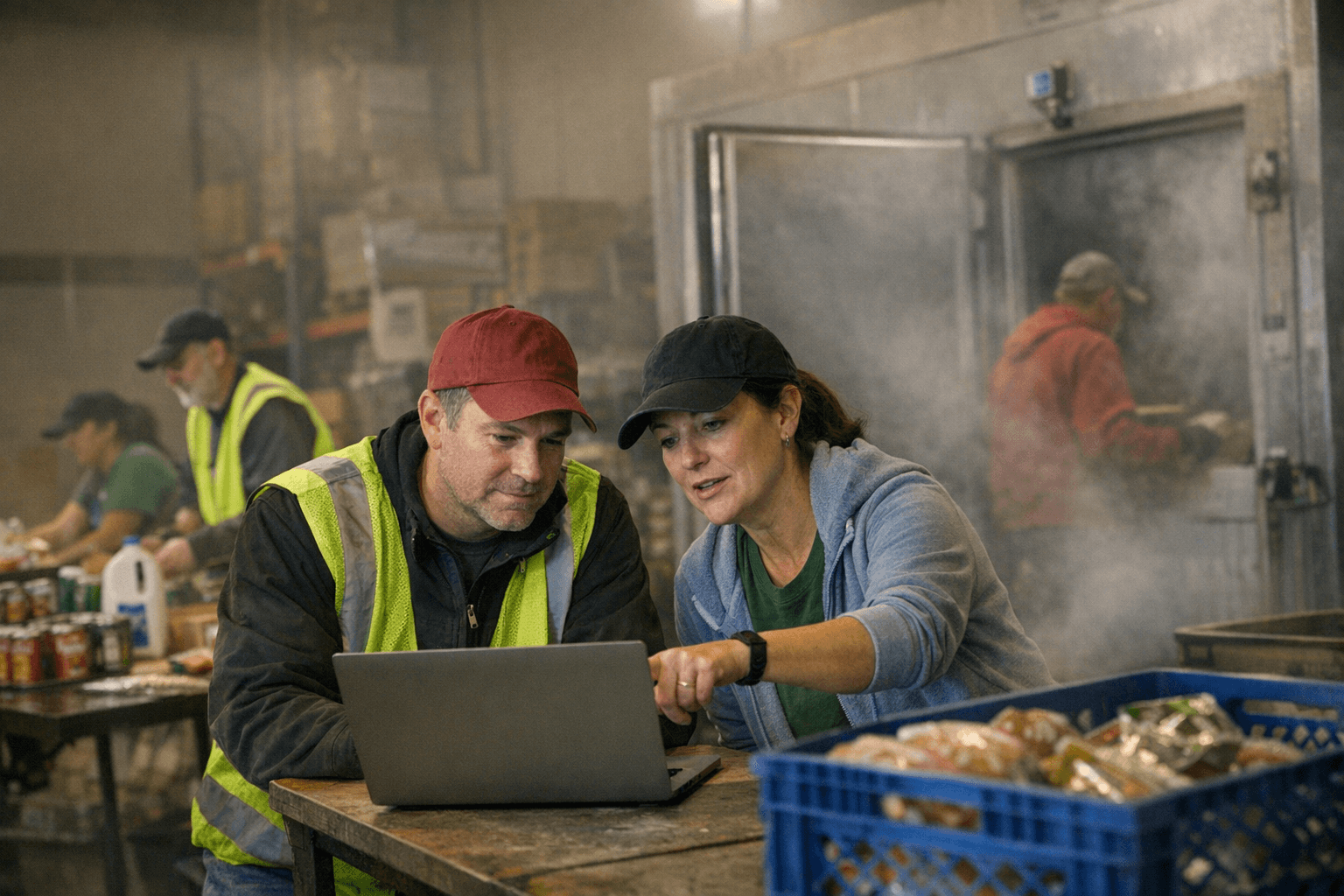
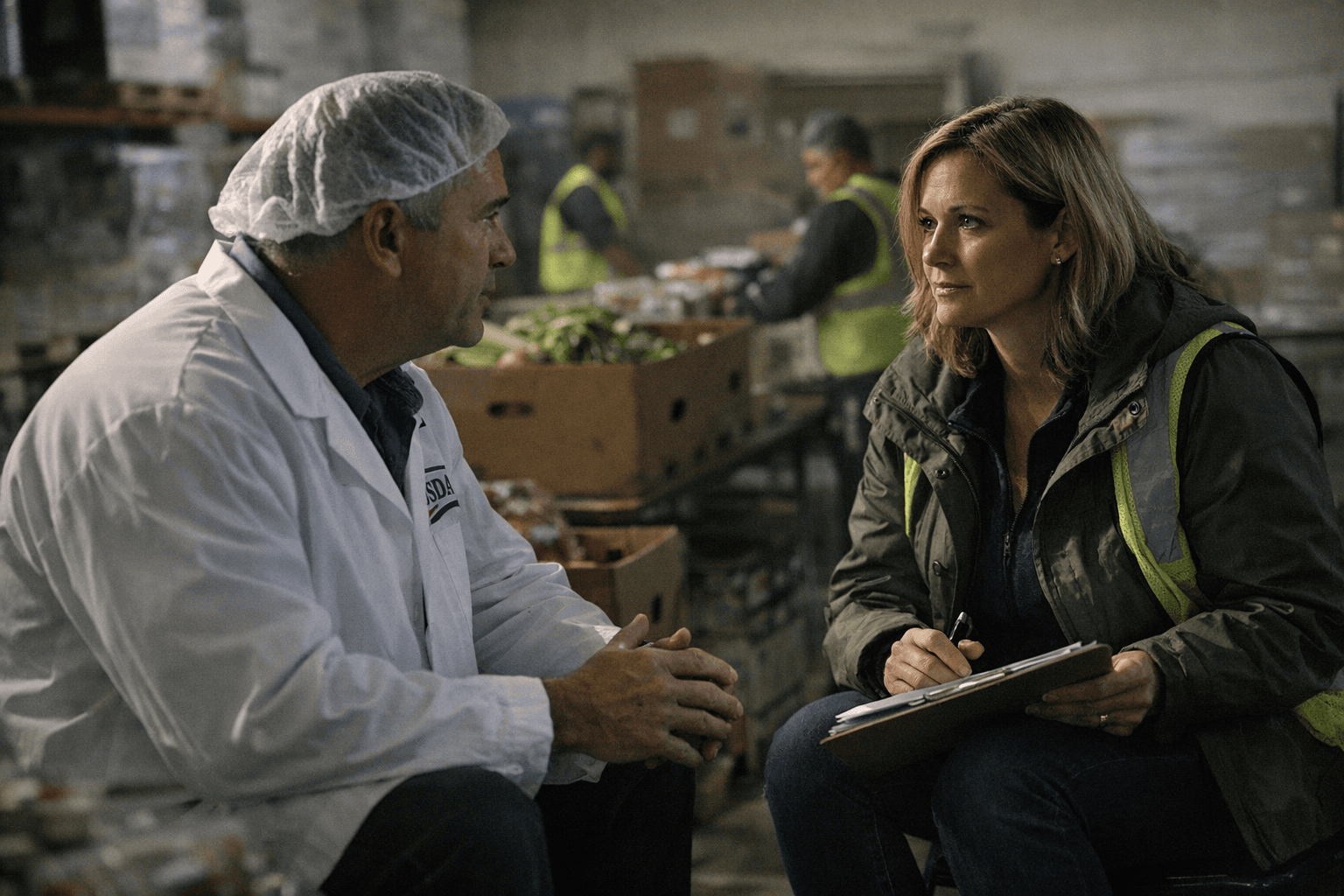
A Simple Gesture volunteers use FDA Food Code to improve food safety
A Simple Gesture volunteers can use the FDA Food Code to tighten safety around pickups, storage, and partner handoffs without slowing recovery work.
A practical safety map for food rescue
For A Simple Gesture, the Food Code is less about bureaucracy than about keeping donated food safe from the curb to the pantry shelf. The U.S. Food and Drug Administration treats it as the model for best practices in retail food safety, and that matters anywhere food is handled, stored, or distributed under pressure.
The value for volunteers and staff is straightforward: the Food Code turns everyday judgment calls into clear standards. It points to the rules that matter most in a green bag pickup system, in partner pantry handoffs, and in any expansion into school or community distribution sites where perishable food moves quickly and mistakes can travel with it.
Why the Food Code belongs in a food-recovery operation
FDA says the Food Code provides a scientific and legal basis for regulating retail food and food-service operations. It also helps state, local, tribal, territorial, and federal regulators develop consistent food safety rules. That consistency is useful for A Simple Gesture because food recovery often sits close to retail food handling, even when the work is nonprofit and volunteer-driven.
The agency says adoption of the Food Code is intended to reduce foodborne illness risk and strengthen consumer confidence. That is not abstract language for a group that depends on neighbors trusting the green bag system, donors trusting the pickup chain, and pantry partners trusting that food arrives in usable condition. A consistent safety framework supports all three.
The few standards that matter most day to day
The most useful takeaway for volunteers is not memorizing the code chapter by chapter. It is knowing which rules govern the moments when food becomes vulnerable.
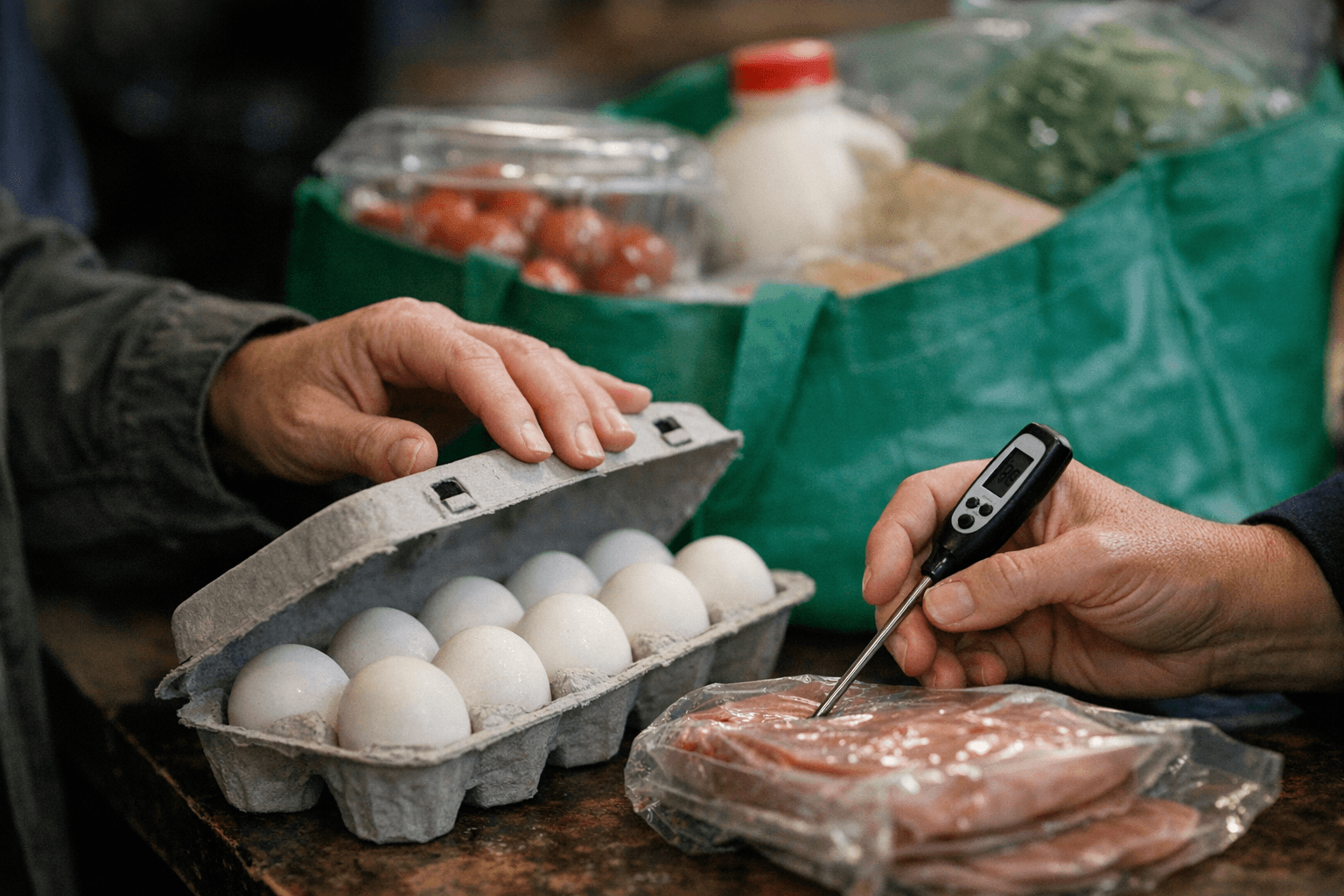
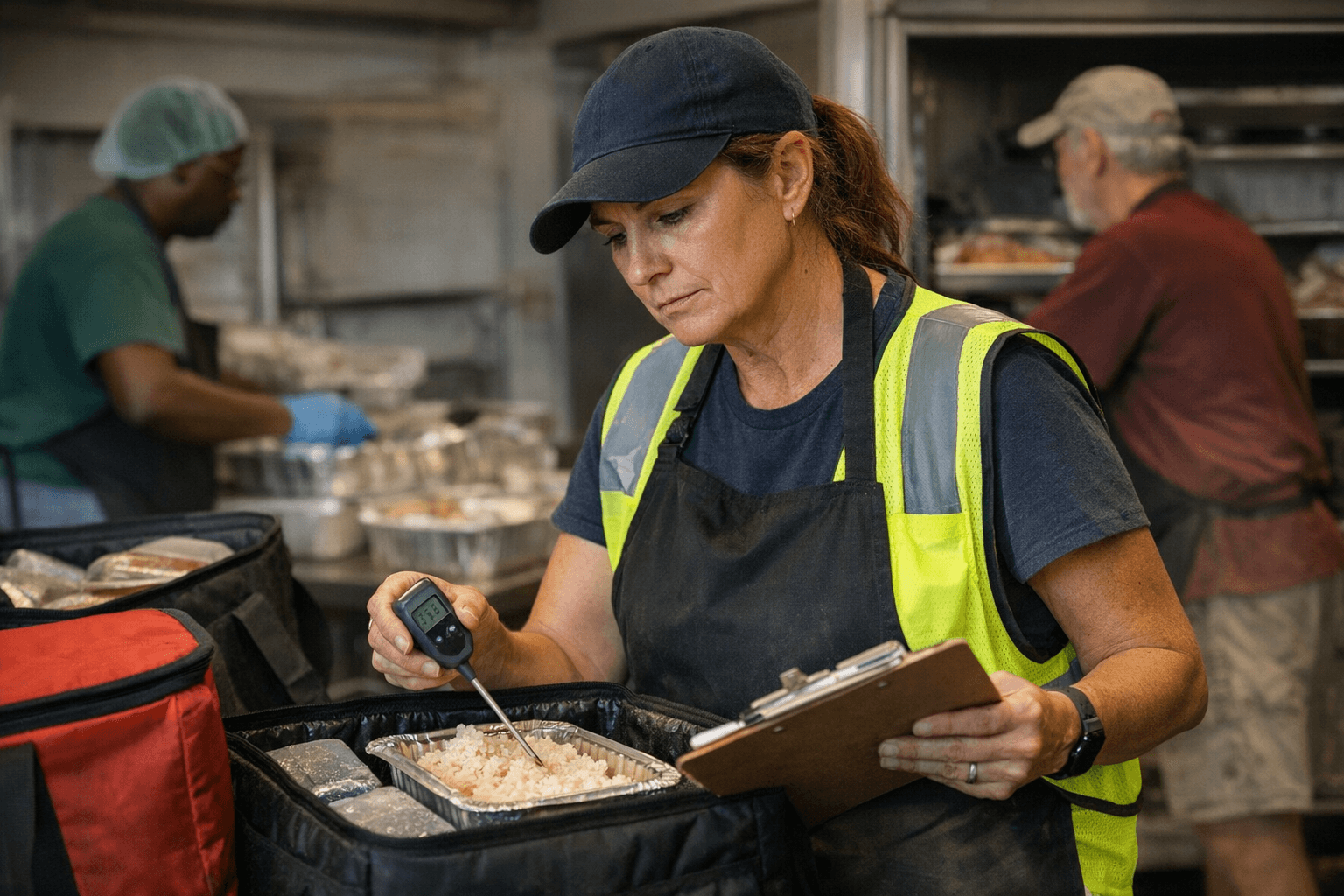
Temperature control is at the top of the list. FDA says improper cooling of time/temperature control for safety foods is one of the top contributors to foodborne illness. For a recovery program, that means foods that need refrigeration cannot linger in the wrong conditions during pickup, sorting, transfer, or staging. If a chapter is moving more perishable products, the margin for error gets smaller, not larger.
Date marking is another practical checkpoint. FDA guidance under section 3-501.17 says ready-to-eat time/temperature control for safety food prepared in a food establishment and held longer than 24 hours must be date-marked if it is kept at 41 degrees Fahrenheit or below for up to 7 days. In plain terms, food that stays in circulation needs a clear clock on it. That helps volunteers, coordinators, and pantry partners know when something should be used, sold, or discarded.
Storage and handling sit behind those two rules. The Food Code gives A Simple Gesture a baseline for how to think about food that may have started in a retail setting, passed through a donor’s home, and landed in a nonprofit pickup route. The issue is not just whether food is still edible. It is whether it has been protected from the points where contamination and temperature abuse usually happen.
Cooling, cross-contamination, and sanitation are the operational pressure points
Food recovery teams work in fast-moving environments, which is why the Food Code is useful as a checklist for risk. Cooling comes first because hot food or warm perishables left to sit can move into danger zones quickly. If a partner pantry handles prepared or highly perishable foods, the team needs a routine for getting them cold again without delay.

Cross-contamination is the second pressure point. That means keeping raw and ready-to-eat foods separated, using clean containers, and preventing contact between items that could spread germs. For a green bag operation, this can show up in small ways: one leaky package in a collection bin, one dirty tote used for mixed loads, or one unwashed surface in a staging area.
Sanitation is the third. Clean hands, clean tools, clean storage spaces, and clean transport containers are not side issues in food rescue. They are part of how a volunteer network protects both the food supply and the organization’s credibility. A Simple Gesture’s reputation with donors and pantry partners depends on these basics being handled consistently, not left to individual style.
Why the same rules can look different by location
One reason the Food Code matters so much is that it helps explain why food safety rules can vary across jurisdictions. Schools, pantries, community fridges, and small distribution sites may face different requirements depending on local adoption and enforcement. The code gives A Simple Gesture a reference point when a chapter is expanding or working with a partner agency that handles more perishable items.
FDA’s adoption materials show how broadly the model has spread. As of December 31, 2023, 50 states including Washington, D.C. had adopted some version of the Food Code, with California the only exception. FDA also said 35 states had adopted one of the three most recent Food Code versions at that time. For a nonprofit, that kind of reach matters because it signals that the rules behind food handling are not niche guidance. They are the standard language many public health systems already use.
What the 2022 edition adds for volunteers and managers
FDA says the 2022 Food Code is its most recent full edition and that it was issued on December 28, 2022. The agency also says the Food Code originally moved from a two-year publication cycle to a four-year cycle for complete editions, with supplements added when needed. That makes the 2022 edition the current reference point for teams trying to line up their practices with the latest full model.
The 2022 edition also reflects input from regulatory officials, industry, academia, and consumers through the Conference for Food Protection process. That matters for a nonprofit because the code is not just written for regulators in isolation. FDA says it is also used as a reference resource for consumers, academia, and industry, which makes it a fit for volunteer training, partner onboarding, and internal policy work.
- Keep temperature-sensitive food cold during pickup, transfer, and storage.
- Date-mark ready-to-eat foods that stay in circulation.
- Separate foods to reduce cross-contamination.
- Clean and sanitize bins, surfaces, and transport gear on a routine schedule.
- Build partner expectations around the same baseline, even when local rules differ.
For A Simple Gesture, that means the code can shape a few concrete habits:
Why this helps the whole network work better
Food rescue depends on speed, but speed without standards creates risk. The Food Code gives A Simple Gesture a way to move donated food efficiently while protecting the people who receive it and the volunteers who handle it. That is especially important when a chapter is growing, adding pantry partners, or handling more perishable food than it did before.
The larger lesson is that food safety is part of operational trust. FDA links the Food Code to reduced foodborne illness risk and stronger consumer confidence for retail food. The same logic applies to a nonprofit food-recovery system: clear standards reassure donors that the food will be handled responsibly and reassure partner agencies that the pipeline is dependable. In a network built on community trust, that is not a side benefit. It is the foundation.
Know something we missed? Have a correction or additional information?
Submit a Tip