FDA guidance helps A Simple Gesture answer donor questions on food safety
Date labels do not decide what belongs in the green bag. For A Simple Gesture, the real test is whether donated food is intact, cold, and still wholesome.
What the FDA guidance clears up
An expired sell-by date does not automatically mean food is unsafe, and that one point can save a lot of usable food from being tossed. The FDA’s Surplus, Salvaged, and Donated Foods guidance treats donated food the same way no matter where it came from, whether it came from a retailer, a restaurant, a manufacturer, or a neighbor cleaning out a pantry.
That matters for A Simple Gesture because volunteers and coordinators are often the first people donors ask when they are unsure about a package with a torn label, a past date stamp, or a dented container. The guidance gives staff a straightforward answer: the date on the label is only one clue, and it is often a quality marker rather than a safety cutoff.
What to accept, and what not to accept
The cleanest rule is also the safest one: accept food that still looks and stores like food. FDA says items with expired sell-by dates may still be wholesome, especially if they have been handled properly and the package is intact.
Food should not go forward when the packaging itself raises a safety concern. That includes damaged or badly dented cans, torn packages, leaking containers, rust along seams, or resealed packages. For salvage operations, the package matters even more because FDA says food should be sold only in the original, intact package, particularly when an operation may relabel or reprocess foods.
For A Simple Gesture, that translates into a practical sorting standard at the doorstep and at the receiving site:
- Keep food that is unopened, clean, and clearly intact.
- Question any can with a serious dent, seam rust, or swelling.
- Reject packages that leak, have been resealed, or show signs of tampering.
- Treat a date stamp as a prompt to inspect, not an automatic rejection.
That approach helps volunteers make faster calls without slipping into guesswork. It also keeps the organization from turning donor confusion into unnecessary waste.
How temperature fits into the decision
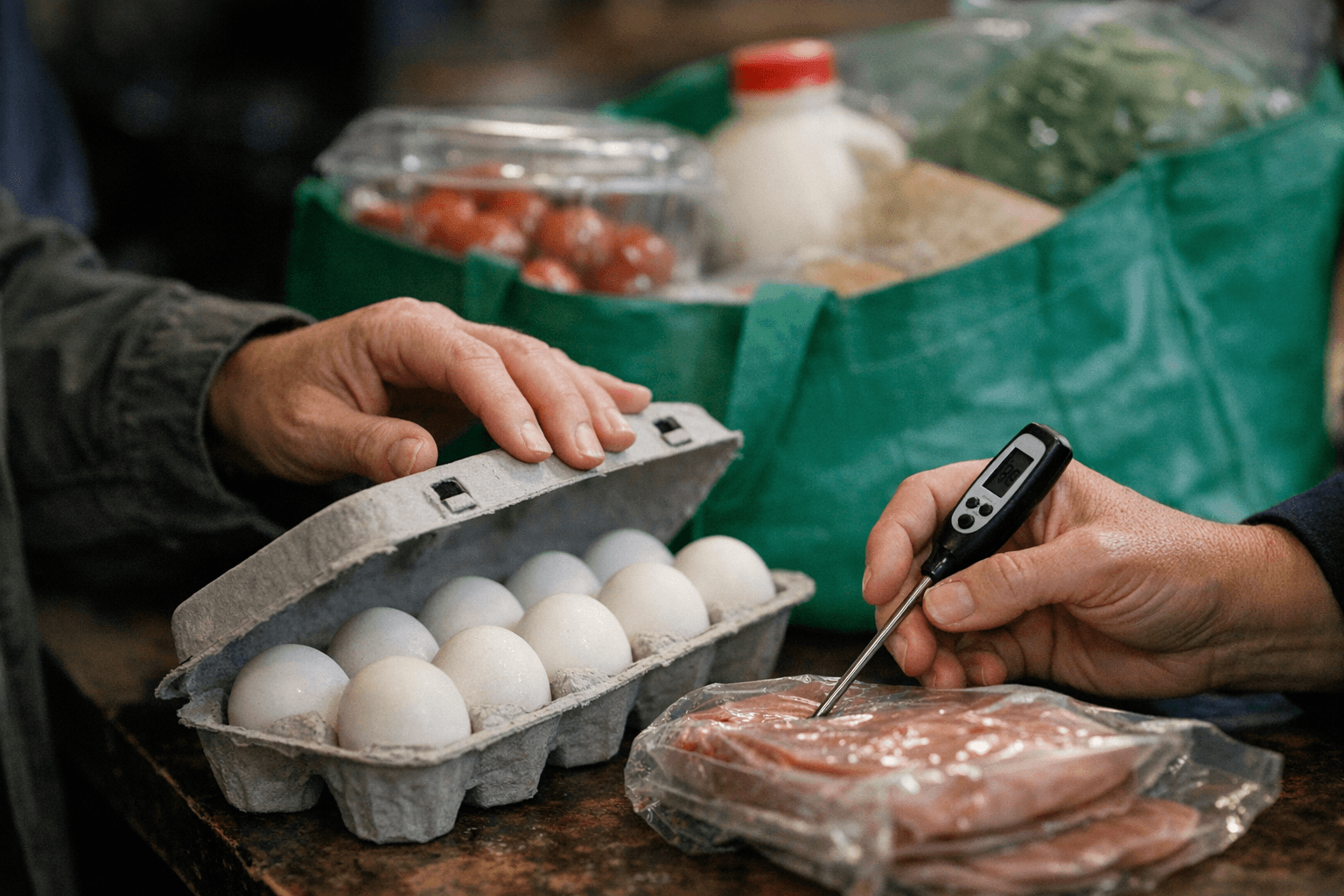
Food safety is not just about labels. FDA says refrigerated food should be kept at 41 degrees Fahrenheit or lower, and frozen food at 32 degrees or lower. Those thresholds are the kind of detail that sound technical until they show up in a real pickup: a box of donated dairy products sitting in a warm garage, a cooler that has been open too long, or a freezer item that has thawed and refrozen.
For A Simple Gesture, that means route coordination matters as much as donor education. Volunteers collecting green bags from doorsteps need a system for flagging anything perishable that may have been sitting out too long, while coordinators need clear handoff rules when pickups include mixed items. The safer the chain from donor to driver to pantry partner, the more confidence the network has in the food it redistributes.
Why date labels create so much waste
The FDA guidance sits inside a much bigger problem: people often treat dates as hard safety deadlines when they were never meant to work that way. In 2019, the U.S. Government Accountability Office found that almost a third of the food produced in the United States goes to waste, and it said USDA and FDA were working together to help food banks, food donors, and recipients interpret date labels so wholesome food would not be discarded.
That confusion is expensive for recovery groups because it shows up at the exact moment when donors are deciding whether to keep donating. If a household throws out food that is still safe, or a retailer is unsure whether to donate a product with a passed date stamp, the food never reaches the network at all. FDA’s own guidance helps staff answer those questions in plain language: the date is not the whole story, handling and condition matter too.
The public-health stakes are just as clear. Feeding America said the U.S. food insecurity rate rose to 13.5% in 2022, and that more than 14 million children live in food-insecure households. The U.S. Environmental Protection Agency says more than one-third of all food in the United States goes uneaten, while food is the largest contributor to U.S. landfills. Those two facts explain why date-label education is not a side issue. It is operational.
The legal backdrop that lets food move
The FDA guidance is also easier to use because the federal liability rules already support good-faith donation. The Bill Emerson Good Samaritan Food Donation Act, first passed in 1996 and amended by the Food Donation Improvement Act in 2022, gives federal civil and criminal liability protection to people and organizations that donate or distribute food in good faith. The protection does not cover gross negligence or intentional misconduct, which is why safety checks still matter.
USDA says that protection extends across a broad range of donors, including retail grocers, wholesalers, restaurants, caterers, schools, and nonprofit food distributors. In practice, that means the law is designed to reduce hesitation, not remove judgment. It encourages more food to move, but only when organizations keep basic safety discipline in place.
FDA’s 2022 Food Code reinforces that point by clarifying that food donations from retail food establishments are acceptable when proper food safety practices are followed. The agency has also said it is continuing cooperative programs with state, local, tribal, and territorial governments and planning educational materials for retailers on safe donation. For food recovery groups, that signals a clear policy direction: donation is encouraged, but the handling rules still matter.
What this means inside A Simple Gesture
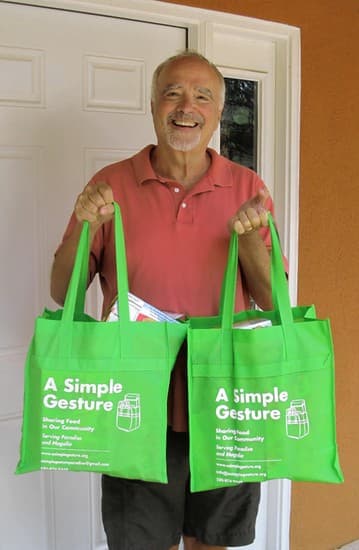
A Simple Gesture has been making donating food easy since 2015 through green-bag collections picked up right from donors’ doorsteps. The organization also says it customizes plans to recover surplus food from grocery stores, restaurants, caterers, corporate cafeterias, and more, while partnering with dozens of local food pantries in Guilford County, North Carolina.
That mix of household pickup and larger-scale food recovery makes the FDA guidance especially useful. It gives staff a shared standard for answering questions like whether a family can donate a can with a past sell-by date, whether a retailer can pass along surplus items with torn labels, or whether a pantry shipment needs a closer look before distribution. It also helps coordinators explain why some items belong in the green bag and others do not, which can reduce donor frustration and cut down on time spent sorting unusable food.
The larger lesson is simple: food recovery works best when the rules are clear enough to trust and practical enough to use. A Simple Gesture’s job is not just to collect more food. It is to move the right food, safely, from homes and businesses into pantries without turning caution into waste.
This article was produced by Prism’s automated news system from verified source data, official records, and press releases, then run through automated quality and moderation checks before publishing. The system is built and supervised by the people who set the standards it runs under. Read our full AI policy.
Did this article answer your question?