OSHA warehousing guidance helps A Simple Gesture reduce food recovery risks
OSHA’s warehouse rules map directly onto A Simple Gesture’s doorstep pickups, sorting shifts, and cold storage work, turning safety into a day-to-day operations issue.
Safety is part of the food pipeline, not an afterthought
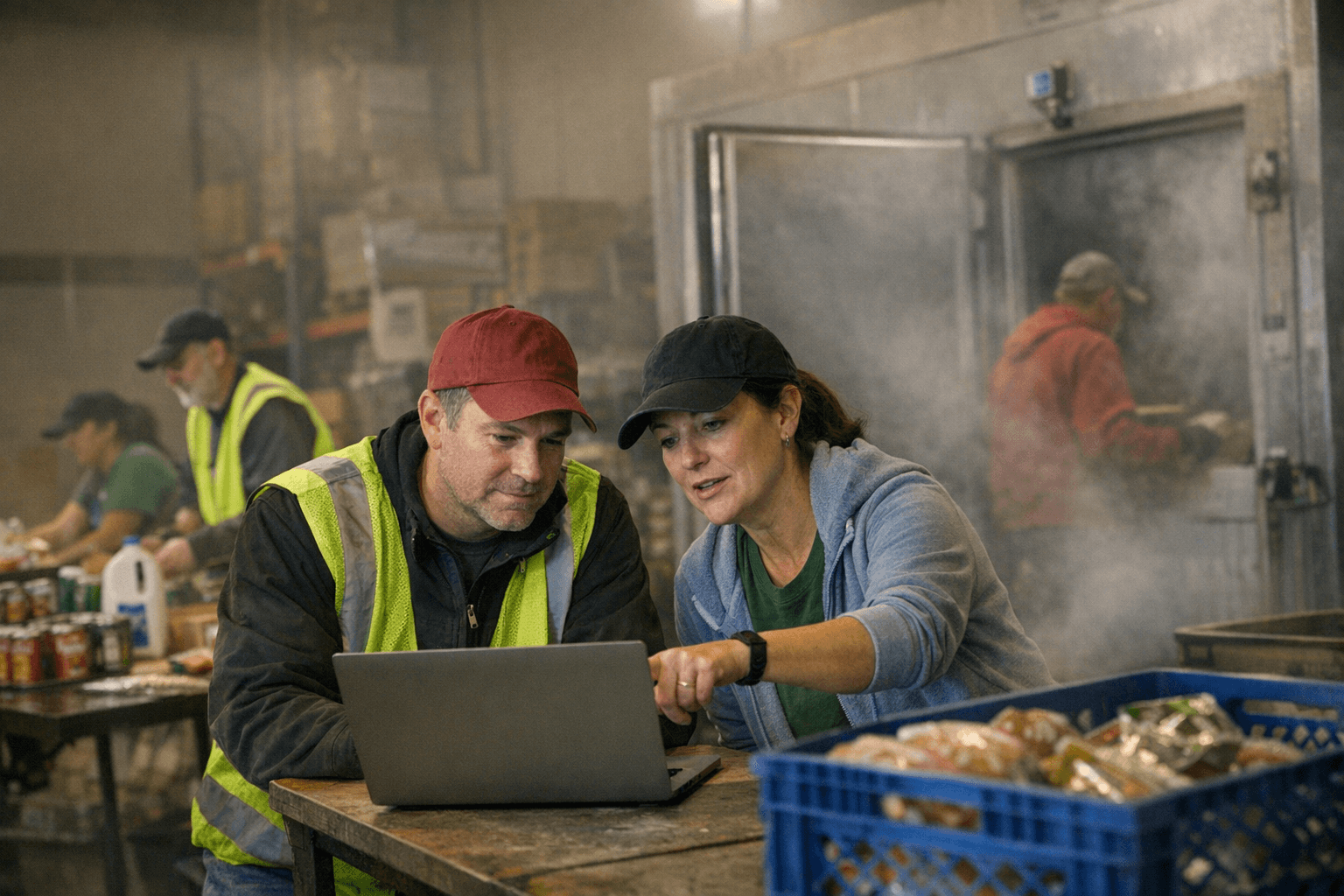
A Simple Gesture depends on a moving chain of people, cars, boxes, and pantry handoffs, which is exactly why OSHA’s warehousing guidance matters to its work. The Occupational Safety and Health Administration says warehouse workers face many hazards, but proper design, planning, and training can keep them safe, and that framing fits a nonprofit that moves donated food from doorsteps to partner pantries every week.
For A Simple Gesture, the lesson is operational, not theoretical. More than 3,900 recurring food donors, 200 monthly volunteers, and 75+ pantry partners create a system that only works if pickups are predictable, lifting is manageable, aisles stay clear, and new helpers know the basics before they start. The organization’s Guilford County operation says it has delivered more than 8,000,000 child-size meals and an estimated $13,000,000 in donated food value as of December 2025, so even small safety failures can ripple through a very large volunteer-powered network.
The hazards OSHA names are the same ones food recovery teams face
OSHA’s warehousing guidance lists hazards that match the daily reality of food recovery work: ergonomics and musculoskeletal disorders, powered industrial trucks, materials handling, slips and falls, hazardous chemicals, emergency planning, electrical hazards, lockout/tagout, heat illness, refrigerated warehousing, temporary workers, stress, and fatigue. Even if a local chapter does not run a formal warehouse, those risks show up whenever volunteers or staff lift cases, move bags, step around pallets, or enter cold storage.
The most common warehouse injuries are musculoskeletal disorders from overexertion in lifting and lowering, along with workers being struck by powered industrial trucks or other materials-handling equipment. That matters in food recovery because the work is often done fast, in tight spaces, and by people who may only be there once a month. A poorly staged donation room, a crowded garage, or a rushed pantry drop-off can create the same kinds of injuries OSHA warns about in commercial storage operations.
OSHA’s overview also notes that warehousing and storage includes facilities handling general merchandise, refrigerated goods, and other products. That overlap helps explain why food recovery groups have to think about cold storage, dry goods, and transport safety together rather than treating food quality and worker safety as separate conversations.
Why temporary volunteers and new helpers need real onboarding
OSHA’s guidance on temporary workers is especially relevant for A Simple Gesture and similar nonprofits that rely on occasional help, seasonal spikes, and route coverage from people who are new to the work. OSHA warns that temporary workers may be placed in hazardous jobs and may not receive adequate safety and health training from either the staffing agency or the host employer. In a volunteer setting, that same gap can show up when a driver or sorter is handed a route or a shift without enough instruction.
The agency’s Temporary Worker Initiative says safety and health training becomes a joint responsibility when workers are employed under a staffing agency and a host employer. Even though A Simple Gesture is a nonprofit, the underlying management problem is the same: one group recruits and another group supervises, so nobody should assume someone else already covered the basics. Clear role assignment, a short written orientation, and a repeatable handoff process are not administrative extras. They are the difference between a safe pickup and a preventable injury.
There is also a retention angle here. Volunteers are more likely to come back when the work feels organized, physical demands are clear, and they are not asked to guess how to lift, carry, or stage donations. Safety training is part of keeping the pipeline steady, not just part of reducing workers’ compensation risk.
What A Simple Gesture managers can fix now
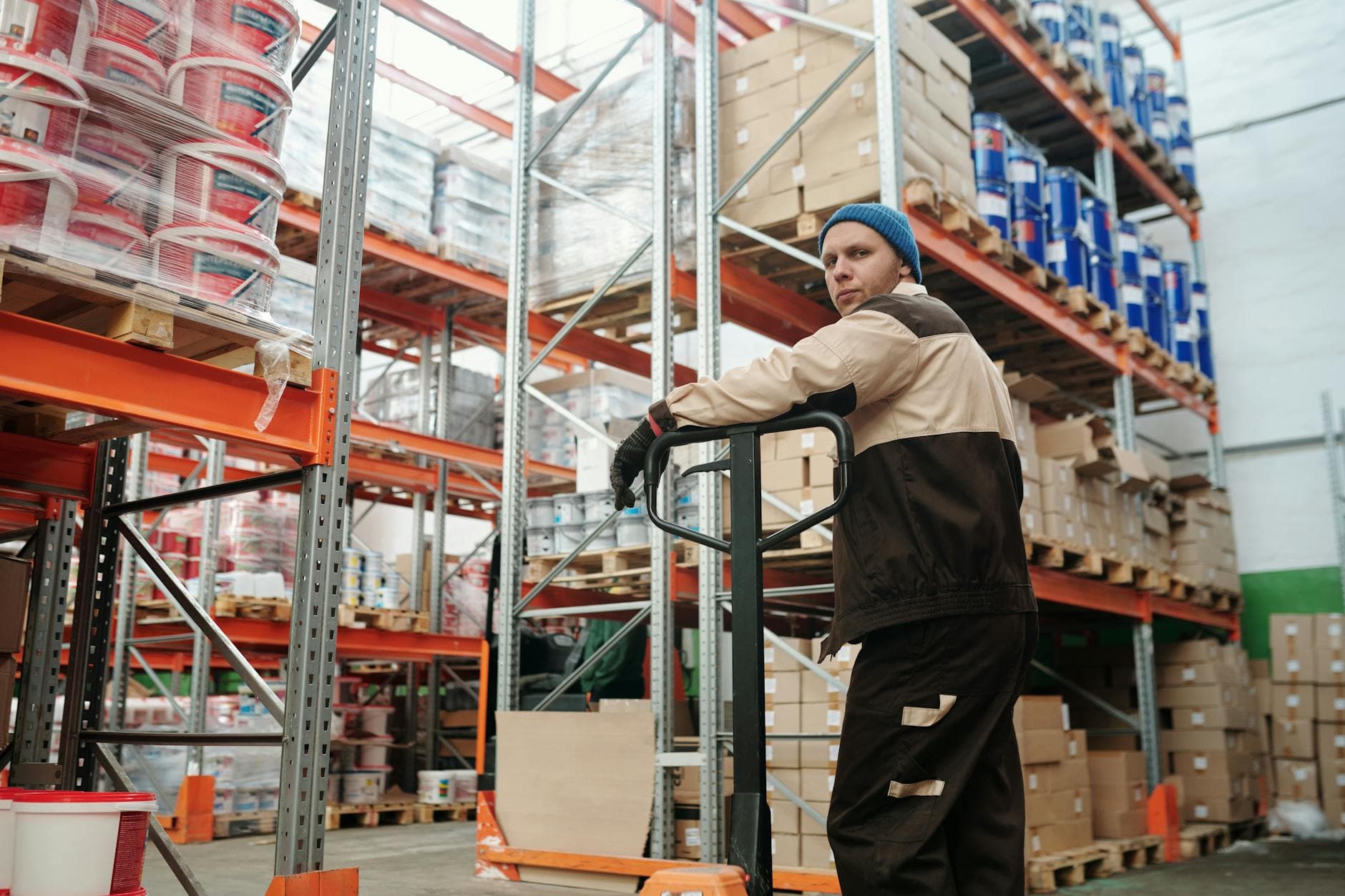
A Simple Gesture already gives weekday driver volunteers a concrete set of expectations: be able to lift 20-pound boxes, use a smartphone, use a clean personal car for pickups and deliveries, and wear closed-toe shoes. OSHA’s guidance suggests that those instructions should sit inside a broader system, not operate as a one-time reminder.
- Keep pickup and sorting spaces uncluttered so boxes do not force awkward bending, twisting, or reaching.
- Train volunteers on safe lifting, carrying, and staging before they touch the first donation.
- Assign roles clearly so new helpers know who loads, who checks the route, and who handles cold items.
- Review fatigue and heat risks for volunteers who work long routes or multiple stops.
- Treat cold storage as a safety zone, not just a food-quality issue, with clear expectations about time, temperature, and movement.
- Make sure any temporary help gets the same orientation as regular volunteers, including where to stand, what to lift, and when to ask for help.
That list reflects OSHA’s larger point: warehouse safety is a system problem. Training, layout, lifting technique, clear aisles, and role assignment all matter together, especially in a nonprofit where the same person may be unloading a car, sorting a bag, and heading to a pantry drop in one shift.
Food safety and worker safety rise or fall together
Feeding America reinforces why A Simple Gesture cannot separate worker protection from food recovery. The network says it includes 200 food banks, and it describes volunteer work that includes sorting, packing, and distribution. It also publishes food safety guidelines for agencies, volunteers, and food bank staff. That broader framework shows that food recovery operations already sit at the intersection of food handling and human safety.
For A Simple Gesture, the practical takeaway is simple: a safe shift is also a reliable shift. When volunteers know how to lift without strain, when pallets and bags are staged cleanly, and when cold goods move quickly and correctly, the food reaches pantry partners in better shape and on time. That protects the organization’s reputation with donors, supports pantry relationships, and makes it easier to keep 200 monthly volunteers coming back.
The scale of the problem outside the nonprofit sector underlines the stakes. The U.S. Bureau of Labor Statistics reported 2.5 million nonfatal workplace injuries and illnesses in private industry in 2024, and warehousing and storage has its own tracked injury and illness rate data under NAICS 4931. OSHA’s National Emphasis Program on Warehousing and Distribution Center Operations, which became effective on July 13, 2023 after being signed on June 14, 2023, shows that warehouse safety remains a regulatory priority, not a niche concern.
A Simple Gesture was founded by Jonathan Trivers and Karen Trivers, with A Simple Gesture-Guilford County established as a 501(c)(3) nonprofit in 2015 and the broader mission dating back to 2011. That growth story only works if the organization can keep volunteers safe, keep routes moving, and keep pantry partners supplied. In food recovery, safety is not a back-office function. It is the operating system that keeps the whole network working.
This article was produced by Prism’s automated news system from verified source data, official records, and press releases, then run through automated quality and moderation checks before publishing. The system is built and supervised by the people who set the standards it runs under. Read our full AI policy.
Did this article answer your question?