A Simple Gesture warns volunteers about fraudulent donation messages
A fake donation message can derail green-bag pickups and pantry outreach, making a June 8 Feeding America warning a direct operations issue for A Simple Gesture.
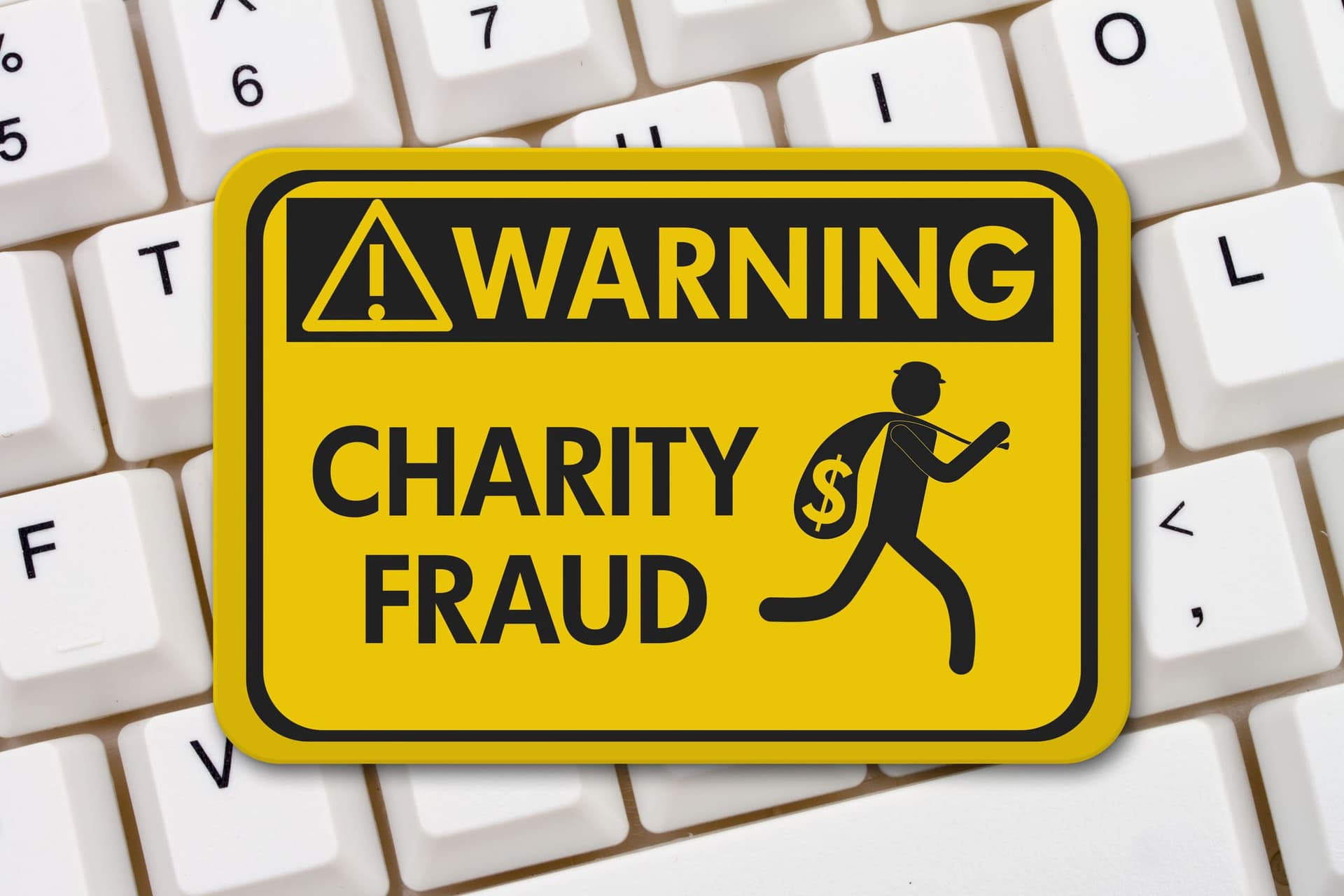
A fraudulent donation message can do more than skim a few dollars from a hunger-relief campaign. For A Simple Gesture, it can slow green-bag pickups, muddy donor confidence and force volunteers and staff to spend time untangling a fake request instead of moving food to local pantries.
Feeding America’s June 8 alert made that risk plain. The group said it would never ask for donations, payments or sensitive personal information through unofficial channels such as WhatsApp. Legitimate requests, it said, come only through official fundraisers, trusted partners, verified social media accounts or communications people have already chosen to receive. Its advice to anyone who gets a suspicious message was simple: do not click, do not share personal information and do not send money.

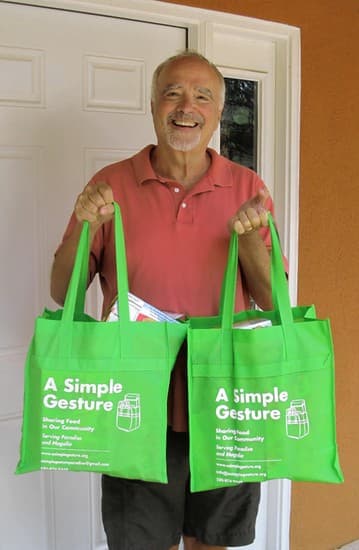
That kind of warning lands directly inside A Simple Gesture’s operating model. The organization rescues edible food from businesses and delivers it to local nonprofits in Guilford County, a system that depends on quick messages, volunteer coordination and trust across neighborhood networks. A Simple Gesture says it partners with dozens of local food pantries, and its origin story in Paradise, California, points to the scale of the volunteer base behind that work, with more than 1,700 food donors and volunteer drivers helping collect more than 132,000 pounds of food each year. Communities around the country have since started chapters of their own.
The fundraising mechanics matter too. Feeding America said Team Feed is its official online fundraising platform and that every $1 raised can help provide at least 10 meals. It also says 98% of all cash and non-cash donations go directly into programs and services. In a network that Feeding America describes as spanning more than 200 food banks and 60,000 food pantries and meal programs in one set of materials, and more than 250 food banks and 60,000-plus agency partners in another, a false request can create confusion well beyond one inbox.
The broader fraud environment makes the lesson harder to ignore. In April 2026, the Federal Trade Commission said nearly 30% of people who reported losing money to scams in 2025 said the scam started on social media, with losses totaling $2.1 billion. The Federal Communications Commission says charity scams can arrive by email, social media posts, crowdfunding platforms and cold calls, while the Federal Bureau of Investigation says charity fraud is especially common after high-profile disasters. USAGov warns that imposters can pretend to be charities to steal money and personal information.
For A Simple Gesture, the practical response is operational, not abstract. Every outreach template should point back to a known official channel, volunteers should have a one-line script for checking suspicious asks and staff should refresh onboarding language so people know how to verify before they forward. In a food-recovery network built on speed and trust, that pause protects donors, pantry partners and the green-bag pickups that keep food moving.
This article was produced by Prism’s automated news system from verified source data, official records, and press releases, then run through automated quality and moderation checks before publishing. The system is built and supervised by the people who set the standards it runs under. Read our full AI policy.
Did this article answer your question?