Americans return to formal volunteering, informal help remains strong
More than 75.7 million Americans formally volunteered again, but 137.5 million still helped neighbors informally, a reminder that food-recovery groups recruit from both pools.
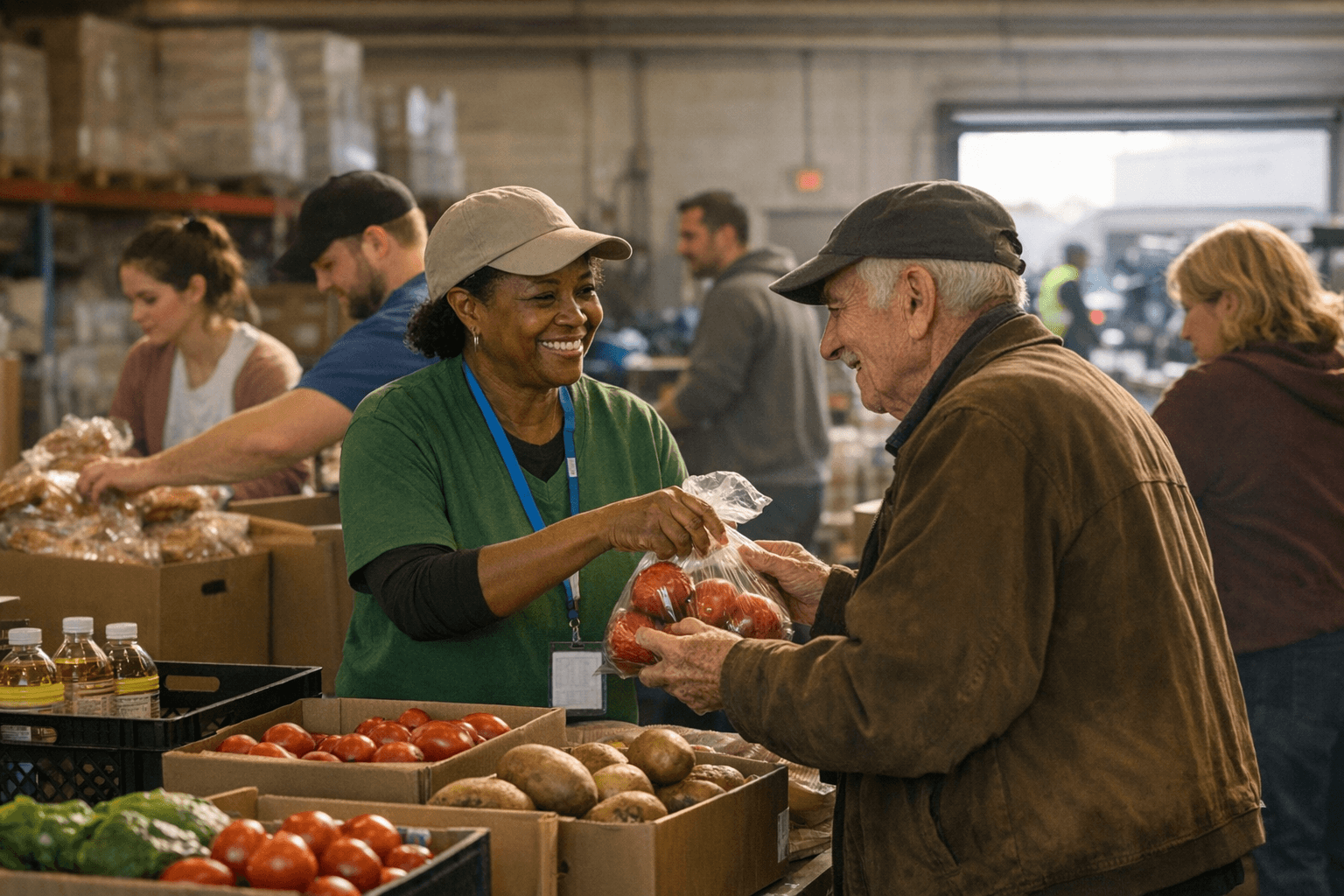
Americans are still helping at home, on their blocks and in their communities, but more of them are doing it through organizations again. AmeriCorps and the U.S. Census Bureau said more than 75.7 million people, or 28.3% of Americans age 16 and up, formally volunteered between September 2022 and September 2023. Those volunteers gave an estimated 4.99 billion hours of service worth $167.2 billion in economic value.
The bigger surprise for groups that rely on unpaid labor may be how broad informal help remains. AmeriCorps said more than 137.5 million Americans, or 54.2%, helped neighbors informally during the same period, from bringing groceries to other favors. That matters for food-recovery nonprofits such as A Simple Gesture, which depend on people who may not call themselves volunteers even when they are already acting like one.
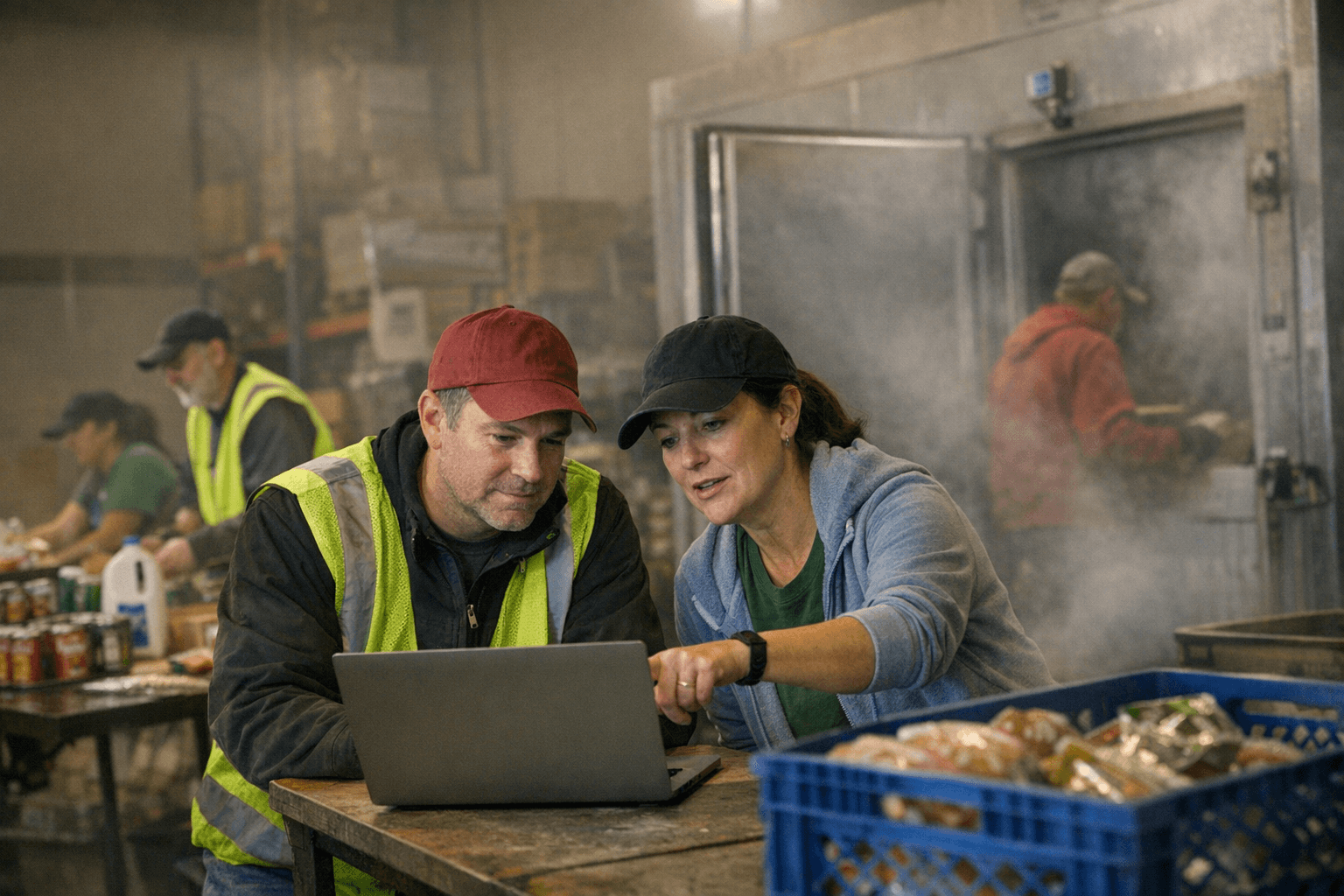
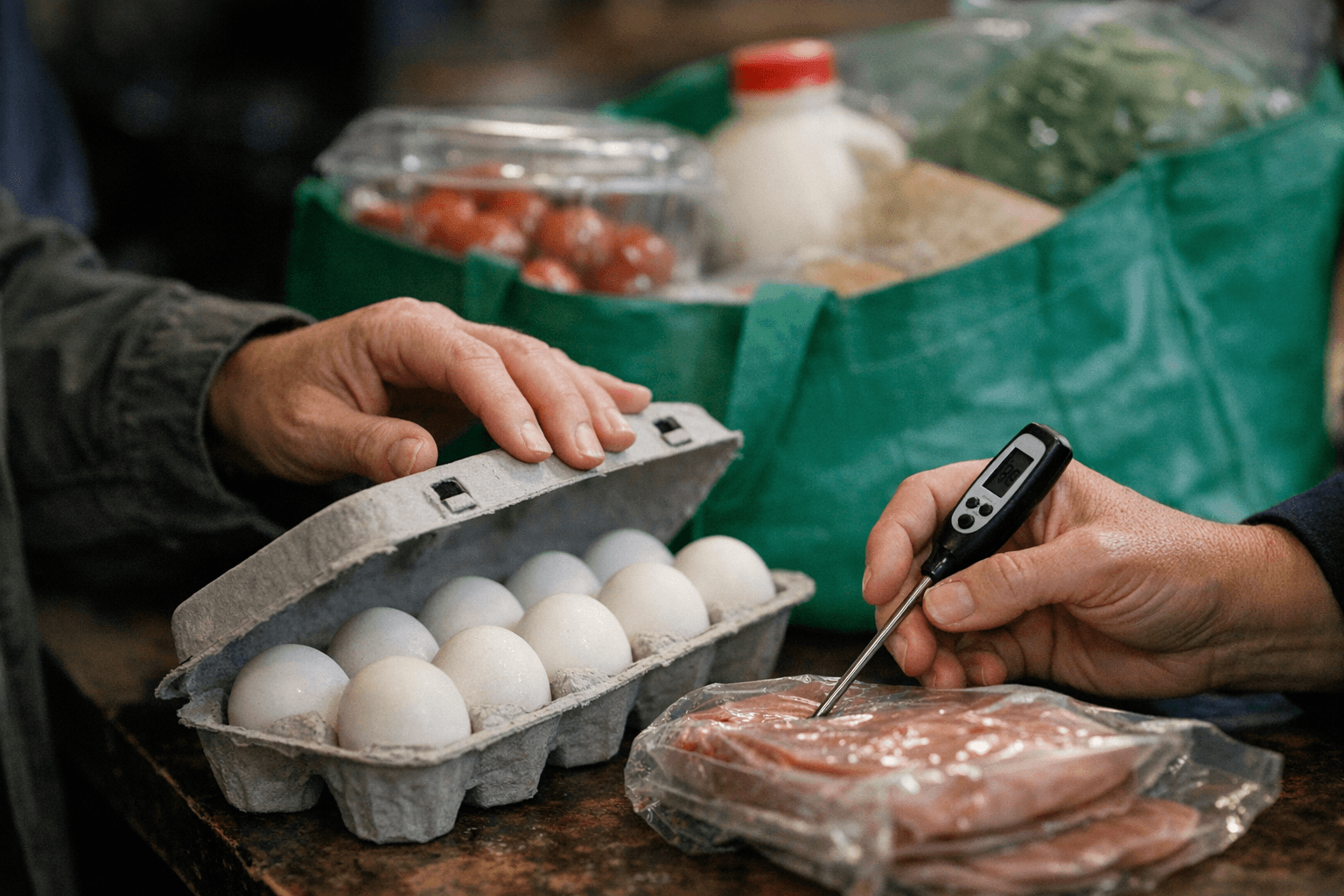
A Simple Gesture-Guilford County says it partners with dozens of local food pantries, runs Green Bag food-donor and food-recovery programs, and needs volunteer drivers to pick up donations and deliver edible surplus food to local nonprofits. It also supports SHARE refrigerators in Guilford County Schools, plus bag sorting, folding, special projects and donor sign-ups. In a county where the organization says it has worked since 2015, with mission and impact dating to 2011, the challenge is not just finding people willing to help once. It is building habits that keep them coming back.
That is where the AmeriCorps data offers a reality check. The Census and AmeriCorps survey, conducted every two years and billed as the country’s most robust longitudinal look at volunteerism and civic engagement, also added a new virtual volunteering measure in the 2023 dataset. For organizations like A Simple Gesture, that points to a wider recruiting lane: people who can give time in smaller, more flexible ways, whether that means a regular route, a one-off sorting shift or helping with donor outreach alongside friends, coworkers or family.
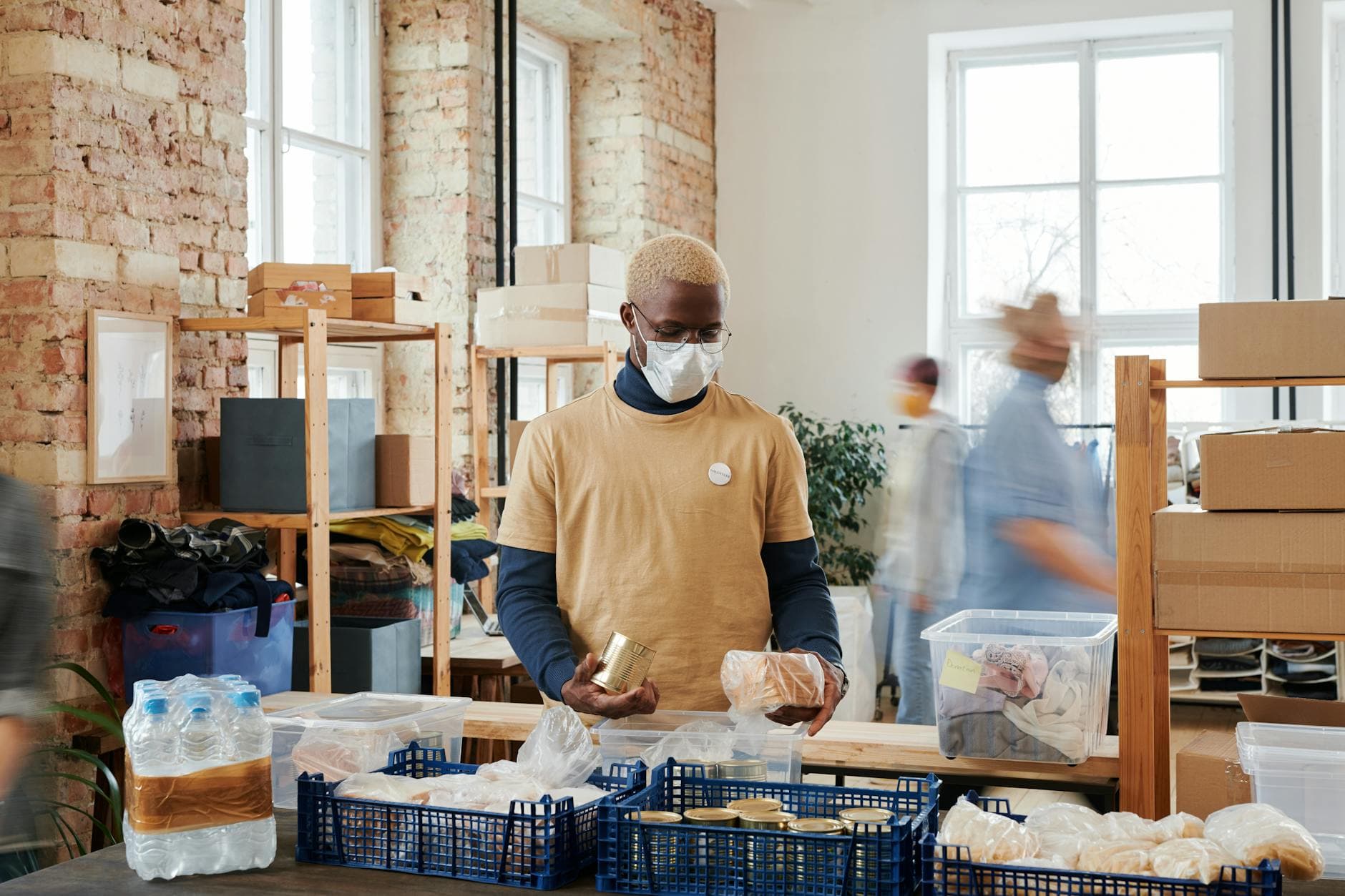
The food-recovery pitch also fits a broader public problem. A Simple Gesture says the United States wastes 30% to 40% of the food it produces. That makes volunteer coordination more than a feel-good exercise. It becomes route scheduling, pantry partnerships and retention work, because every missed pickup can mean edible food left behind and a pantry order that comes up short.
AmeriCorps’ latest count suggests the volunteer pipeline is not empty. It is split between formal service and the everyday helping that still holds neighborhoods together. For A Simple Gesture, the opportunity is to turn that neighborly instinct into repeatable service, one green bag and one pickup route at a time.
Know something we missed? Have a correction or additional information?
Submit a Tip