Arkansas bans soda and candy purchases with SNAP waiver
Arkansas will bar SNAP purchases of soda, candy and some sugary drinks starting July 1. For food banks, the new lines can trigger more questions at the pantry and on pickup routes.
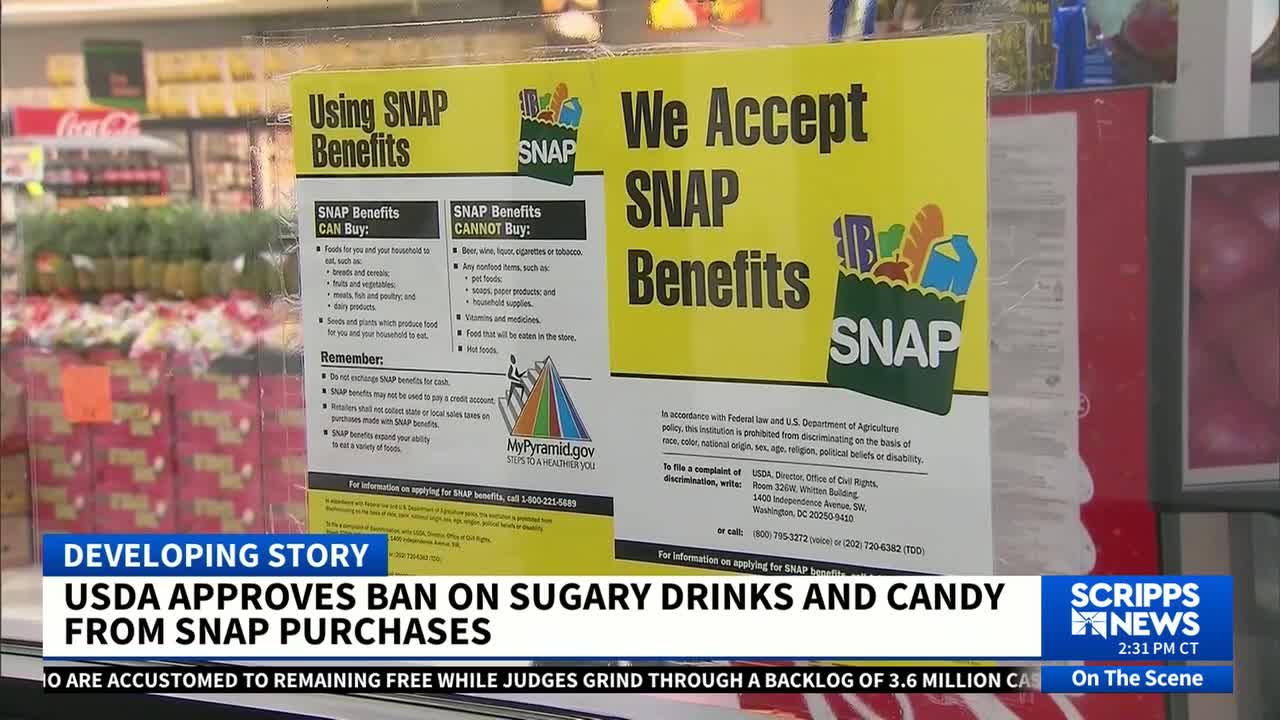
Arkansas will bar SNAP shoppers from buying soda, candy and several other sugary drinks starting July 1, putting a two-year waiver into effect after USDA signed off on June 10, 2025. The state said it is also launching a mobile app so shoppers can scan products and see whether a purchase is SNAP-eligible, using the GS1 US food categorization system to help retailers and consumers sort through the new limits.
The change reaches beyond traditional soft drinks. USDA says Arkansas will exclude soda, low- and no-calorie soda, fruit and vegetable drinks with less than 50 percent natural juice, other unhealthy drinks and candy. USDA’s retailer notice also says SNAP EBT payments will no longer be accepted for some energy drinks and ready-to-drink coffee and tea beverages. Arkansas requested the waiver in April 2025 and asked to add rotisserie chicken as an eligible SNAP food.
The governor’s office has tied the move to chronic disease data, saying more than one-third of Arkansans have diabetes or pre-diabetes, the state has the second-highest diabetes mortality rate in the country, and roughly 40 percent of adults struggle with obesity. It also says Arkansas Medicaid spends at least $300 million a year treating chronic conditions. In the waiver request, the state said about 23 percent of national food stamp spending, roughly $27 billion a year, goes toward soft drinks, unhealthy snacks, candy and desserts, and cited a Stanford study it said found sugary-drink restrictions could prevent obesity in 141,000 children and type 2 diabetes in 240,000 adults nationwide.
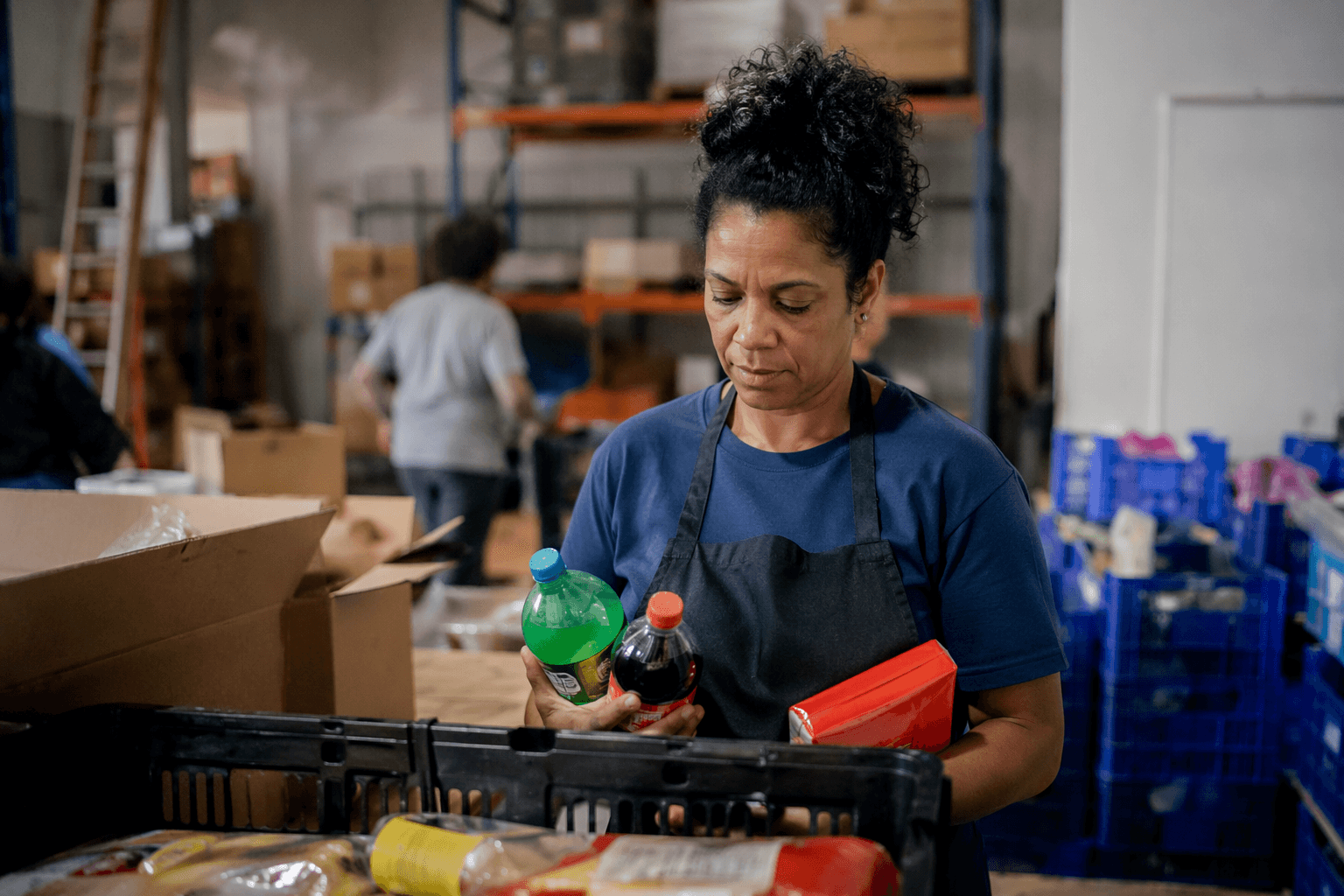
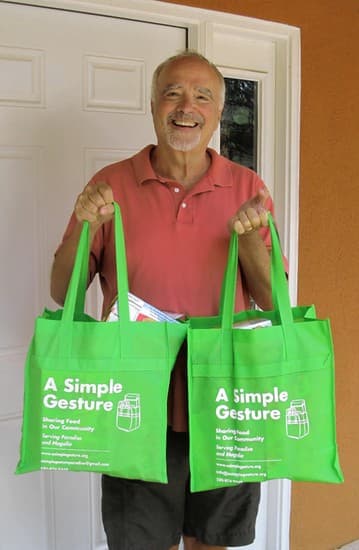
For food banks, pantries and recovery programs, the policy is less about the politics of soda than about the daily mechanics of helping people buy groceries without embarrassment or confusion. A Simple Gesture’s green bag pickup routes and pantry partners depend on clear, respectful communication, and a rule like this can quickly turn into extra questions from neighbors about what SNAP covers, what a household can still afford and how to stretch a limited food budget. In Little Rock and North Little Rock, nonprofits and retailers have already been weighing how to explain the limits before families reach the checkout lane.
Arkansas is among the first states to win this kind of waiver, and USDA called it a “novel demonstration project.” But anti-hunger advocates and some lawmakers have warned that unclear guidance could make SNAP harder to use, especially in rural areas, and federal courts have recently blocked similar restrictions in five other states. For the organizations that meet people at the pantry door, the hard part now is not just the rule itself, but making sure the rule does not become one more barrier.
This article was produced by Prism’s automated news system from verified source data, official records, and press releases, then run through automated quality and moderation checks before publishing. The system is built and supervised by the people who set the standards it runs under. Read our full AI policy.
Did this article answer your question?