As USDA ends household food security report, food banks may fill gap
USDA is ending its household food security report, pushing food banks such as A Simple Gesture to lean harder on local data, routes and pantry demand.
When the federal household food security report disappears, food banks stand to lose more than a benchmark. They could lose the national yardstick that helps them compare need across counties, justify staffing and decide where food should go first.
The U.S. Department of Agriculture announced on Sept. 20, 2025, that it would end future Household Food Security Reports, calling them redundant and politicized. Yet the USDA Economic Research Service still describes the annual report as the source for national household food-security estimates, underscoring the gap that will open if local operators are left to track hunger on their own.
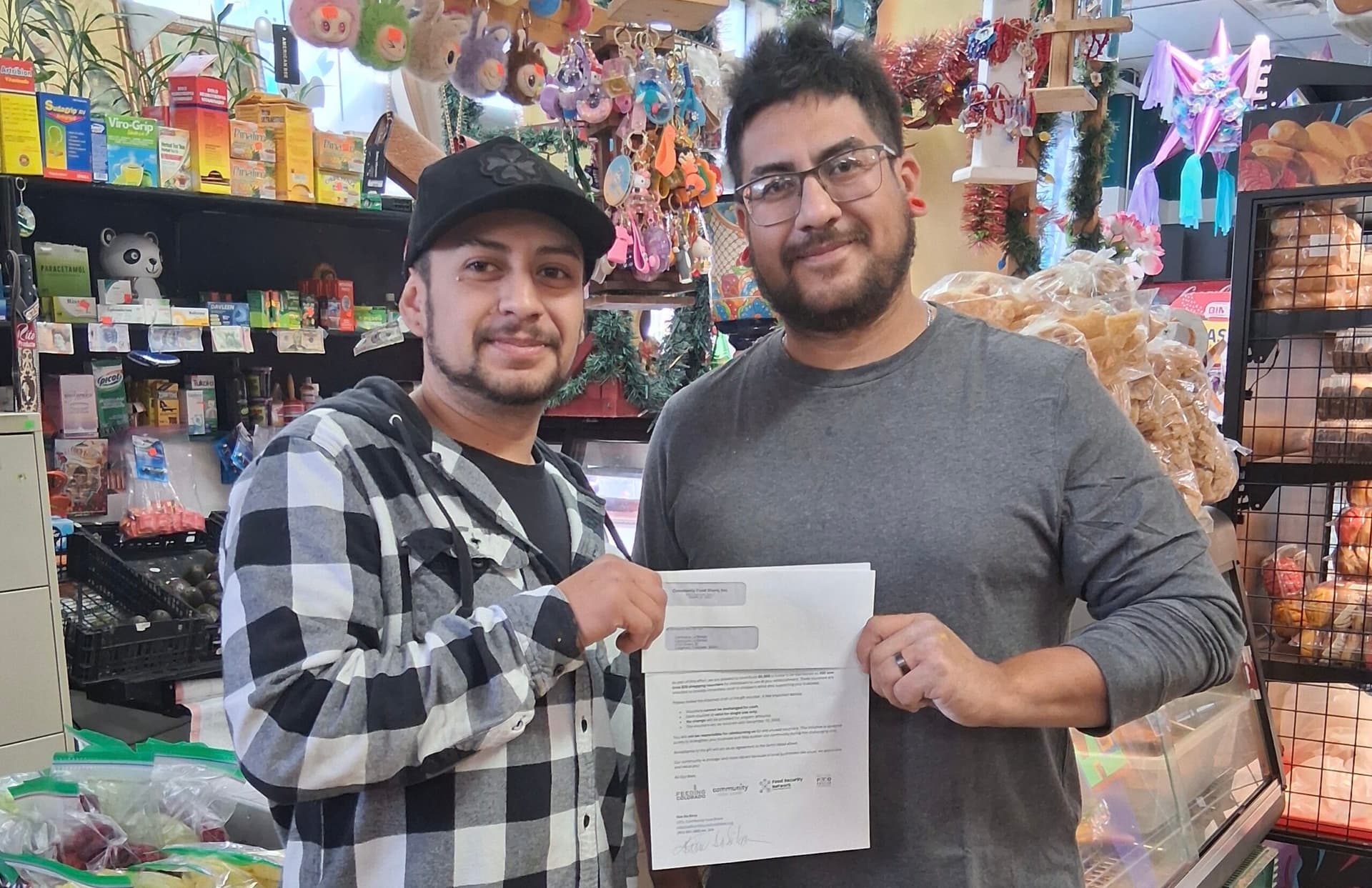
For A Simple Gesture, that shift goes straight to day-to-day operations in Guilford County. The nonprofit has said it has been engaging the community to end hunger there since 2015, and its work depends on volunteer pickup routes, pantry relationships and school-based food storage. As of December 2025, the organization said it had 75-plus pantry partners, 3,900-plus recurring food donors and 200 monthly volunteers. It also said it had donated more than 8,000,000 child-size meals and reported $13,000,000 in the value of donated food.

That scale makes local information more than an advocacy tool. It helps coordinators decide where to add routes, when to recruit more drivers, which neighborhoods need extra outreach and which pantry partners are under the most pressure. A Simple Gesture’s Green Bag Program leaves a reusable bag and a needs list at the door for doorstep pickups. Its Food Recovery program relies on volunteers using their own cars and smartphones. Its SHARE program places refrigerators in Guilford County Schools so surplus food can reach students who need it.
The strongest case for local data comes from larger food banks that have already built their own systems. Greater Boston Food Bank has conducted annual surveys since 2020 to measure food insecurity and barriers to food assistance in Massachusetts. Its 2026 Massachusetts Food Access Report said food insecurity in the state rose from 19% in 2019 to 40% in 2025, while very low food security climbed from 6% to 25%. The organization says it uses the findings to guide strategy and inform policy and advocacy.
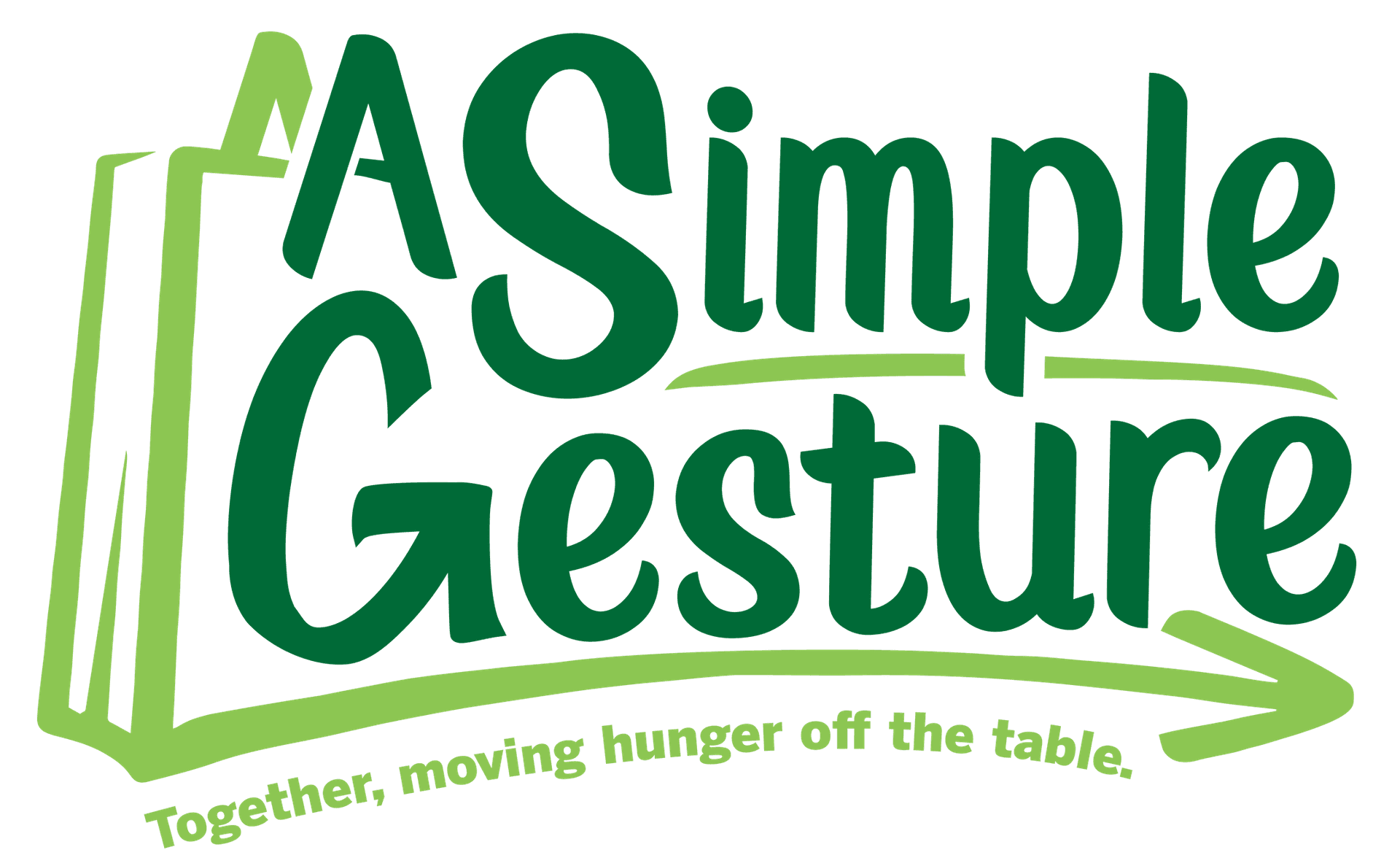
Capital Area Food Bank has taken a similar route in the Washington, D.C. metro area. It has produced an annual Hunger Report since 2020, and its 2025 report surveyed nearly 4,000 DMV residents with NORC at the University of Chicago. By 2024, CAFB said three years of consecutive studies had given it enough information to start charting trends in prevalence, severity and geography.
That is the risk in the data vacuum: communities with the weakest information can be the easiest to overlook. For food banks, the next test is whether they can turn their own numbers into a clearer map of need before the federal one disappears for good.
This article was produced by Prism’s automated news system from verified source data, official records, and press releases, then run through automated quality and moderation checks before publishing. The system is built and supervised by the people who set the standards it runs under. Read our full AI policy.
Did this article answer your question?