Attorneys general urge Congress to restore SNAP benefits and protections
Letitia James led 23 attorneys general warning SNAP cuts will push more families to food banks and strain volunteer schedules, intake and pantry supply.
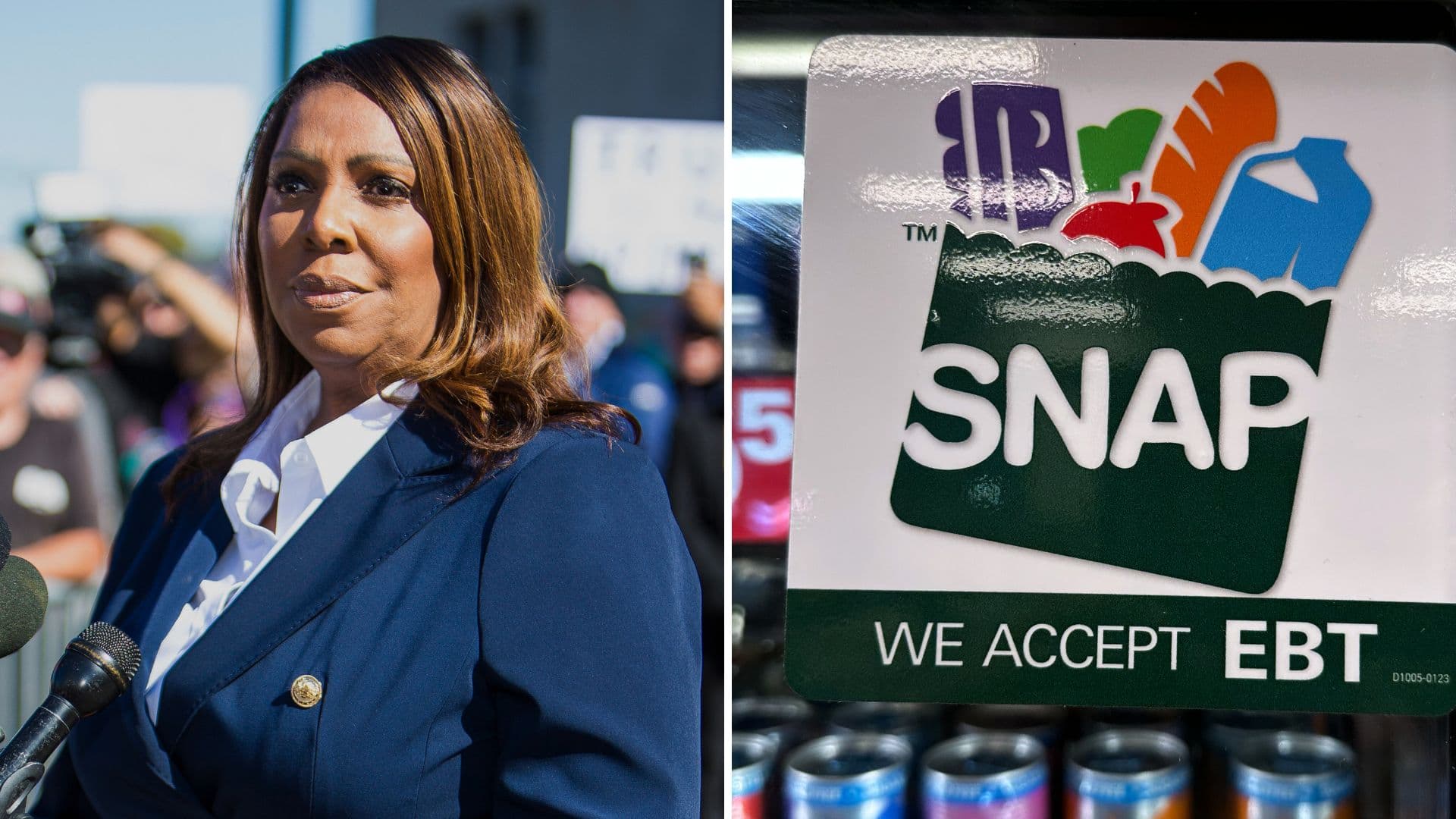
Letitia James led 23 attorneys general in urging Congress to restore SNAP benefits and eligibility protections, and the warning reaches far beyond Washington. For A Simple Gesture and other food-recovery networks, tighter benefits and harder eligibility rules can mean more pantry traffic, more pressure on green bag routes and more strain on volunteer scheduling before demand spikes hit.
The coalition sent its letter to Senate Majority Leader John Thune, Minority Leader Chuck Schumer, Agriculture Committee Chairman John Boozman and Ranking Member Amy Klobuchar. It cast the upcoming farm bill as a chance to restore the federal-state partnership that has made SNAP one of the most effective anti-hunger programs in the country’s history, while arguing that recent federal cuts are increasing hunger, adding bureaucratic hurdles and shifting billions of dollars in costs onto states and local governments.
For staff running neighborhood food recovery, that is not abstract policy language. When households lose benefits or face more paperwork to keep them, food banks feel it in heavier intake, more questions from pantry partners and tighter coordination around pickup schedules. A Simple Gesture’s work depends on the same chain every week: doorstep green bag donations, reliable volunteer routes, local pantry relationships and enough inventory to keep pace with community need. If SNAP access gets harder, each link in that chain gets stressed.
SNAP remains the nation’s largest nutrition assistance program. USDA says it served an average of 41.7 million people a month in fiscal 2024 and cost $99.8 billion that year, about 70% of USDA nutrition assistance spending. That scale is why small changes in eligibility or benefit levels can quickly spill into the charitable food system, where local operators are often the last buffer for families running short.

The effects are already measurable. The Center on Budget and Policy Priorities says SNAP participation fell by more than 3.5 million people, nearly 9%, between July 2025 and February 2026. USDA guidance says the federal share of administrative costs will drop from 50% to 25% beginning in fiscal 2027. The National Conference of State Legislatures says states will pay 75% of SNAP administrative costs starting Oct. 1, 2026, and some states will face benefit cost-sharing beginning Oct. 1, 2027. Policy groups estimate state SNAP costs could eventually climb to $15 billion a year.
The House passed the Farm, Food, and National Security Act of 2026 on April 30 by a 224-200 vote, setting up the Senate debate over a bill that would reauthorize farm and nutrition policy through fiscal 2031. If the House version stands, food banks should expect more pressure on pantry lines, volunteer calendars and sourcing, and A Simple Gesture will be part of the local system absorbing that shift.
This article was produced by Prism’s automated news system from verified source data, official records, and press releases, then run through automated quality and moderation checks before publishing. The system is built and supervised by the people who set the standards it runs under. Read our full AI policy.
Did this article answer your question?